 ultimate-guide
Why Outdoor Gear Fails Prematurely: 7 Root Causes
Table of Contents
- Why Outdoor Gear Fails Prematurely: The Core Causes
- UV Degradation and Material Fatigue
- Signs of Gear Wear and Tear to Watch For
- How to Store Camping Equipment Properly
- Outdoor Gear Maintenance Tips That Prevent Failure
- Best Outdoor Gear Repair Kits and When to Replace Instead
- Repair vs. Replace: Making the Right Call
- Conclusion: Building a Gear Maintenance Habit
Last Updated: August 28, 2026
Why Outdoor Gear Fails Prematurely: The Core Causes
Outdoor gear doesn't fail randomly. It fails because of predictable material degradation, improper storage, user error, and manufacturing defects that compound over time. Understanding why your tent springs a leak, why your backpack strap tears, or why your sleeping pad delaminates helps you extend the lifespan of equipment that costs real money and keeps you safe in the field.
Most failures aren't catastrophic overnight, they're the result of accumulated stress, environmental exposure, and neglect. The good news: most of these failures are preventable.
This guide breaks down the seven root causes of premature gear failure, what to watch for, and how to keep your equipment performing season after season. Whether you're a casual family camper or a serious backcountry explorer, understanding these failure modes will save you money and keep you safer on the trail.
UV Degradation and Material Fatigue
Ultraviolet radiation is one of the most underestimated threats to outdoor gear. UV exposure causes synthetic fabrics to lose tensile strength, making them brittle and prone to tearing. The damage happens invisibly, your gear looks fine until it suddenly isn't.
Most modern camping equipment uses nylon, polyester, or polyethylene-based materials. These polymers break down when exposed to prolonged sunlight. UV rays attack the chemical bonds holding the material together, a process called photodegradation (peer-reviewed research). Over months and years of storage in direct sunlight or repeated exposure during trips, the fabric becomes weaker. A seam that once held 50 pounds of tension might hold only 20 (peer-reviewed research).
The problem accelerates when UV damage combines with moisture. Wet fabric exposed to sun degrades faster than dry fabric. This is why tents stored damp in garages fail so quickly, the combination of moisture and light creates ideal conditions for material fatigue.
DWR coatings (durable water-repellent finishes) also degrade under UV exposure. That water-beading effect you see on new rain gear gradually disappears, not because the fabric is damaged, but because the coating breaks down. Once the DWR is gone, water penetrates the material, adding weight and reducing breathability.
Signs of Gear Wear and Tear to Watch For
Catching gear damage early prevents catastrophic failure in the field. Know what to look for before you pack for your next trip.
Seam delamination is one of the most common failure points. The seam tape, the strip of fabric bonded to seams to seal them, separates from the base fabric. You'll see the tape peeling away, sometimes with visible gaps. This happens when the adhesive fails, often due to UV exposure, repeated flexing, or moisture trapped between the tape and fabric. Once delamination starts, the seam loses its waterproof integrity.
Zipper failure is another early warning sign. Zippers jam, skip teeth, or separate entirely. This usually happens because dirt, sand, or debris gets lodged in the slider, or because the fabric around the zipper has shifted and no longer feeds smoothly. A stuck zipper on a tent door or backpack pocket isn't just annoying, it can strand you in the field without access to critical gear.
Look for small tears or holes, especially in high-stress areas like tent corners, pack straps, and the bottom of sleeping bags. These stress points experience repeated flexing and abrasion. A small hole grows quickly once water starts seeping in or when the material continues to flex around the damaged area.
Hydrolysis is less visible but equally destructive. Polyurethane-based materials (common in waterproof coatings and some fabrics) break down when exposed to moisture and heat (peer-reviewed research). The material becomes sticky, brittle, or develops a chalky residue. This is why gear stored in damp basements fails faster than gear stored in dry closets.
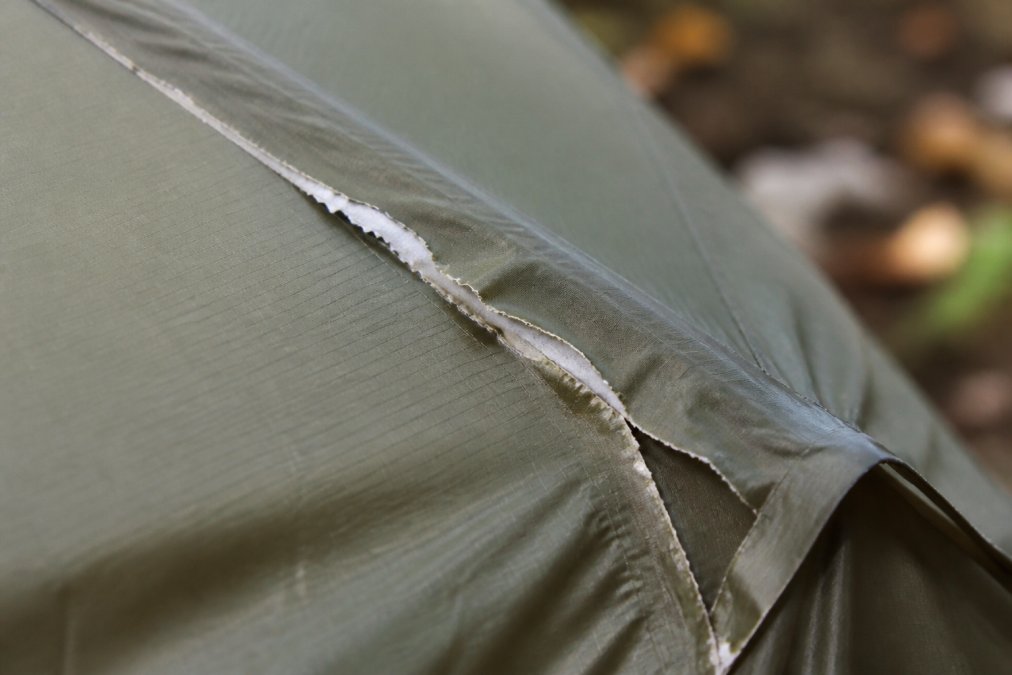
Check the abrasion resistance of high-contact areas. Backpack hip belts, tent floor edges, and sleeping bag exteriors take constant friction. Worn fabric becomes thin and shiny. This is a sign that the material is losing structural integrity and approaching failure.
How to Store Camping Equipment Properly
Storage is where most preventable gear failures happen. Improper storage accelerates material degradation, creates conditions for hydrolysis, and allows moisture to degrade seam tape and waterproof coatings.
Store gear in a cool, dry place. Basements work if they stay dry. Attics work if they don't get too hot. Avoid garages where temperature and humidity fluctuate wildly. Heat speeds up chemical breakdown of polymers. Humidity creates the perfect environment for hydrolysis and mold growth.
Never store gear while it's wet or damp. Dry everything completely before packing it away. Moisture trapped inside a tent or sleeping bag will degrade the fabric and seam tape over months of storage. If you've been camping in wet conditions, set up your tent in the yard and let it dry for 24 hours before storing it.
Store items separately when possible. Don't leave a tent packed in its compression bag for months. Compression creates stress on seams and fabric. Pack your tent loosely in a breathable bag or hang it in a closet. Same with sleeping bags, store them uncompressed in a mesh bag so the insulation can loft naturally.
Keep gear away from direct sunlight. Use opaque storage containers, dark closets, or cardboard boxes. UV exposure during storage is just as damaging as UV exposure in the field. A tent stored in a sunny corner of a garage can lose 50% of its tensile strength in a single year.
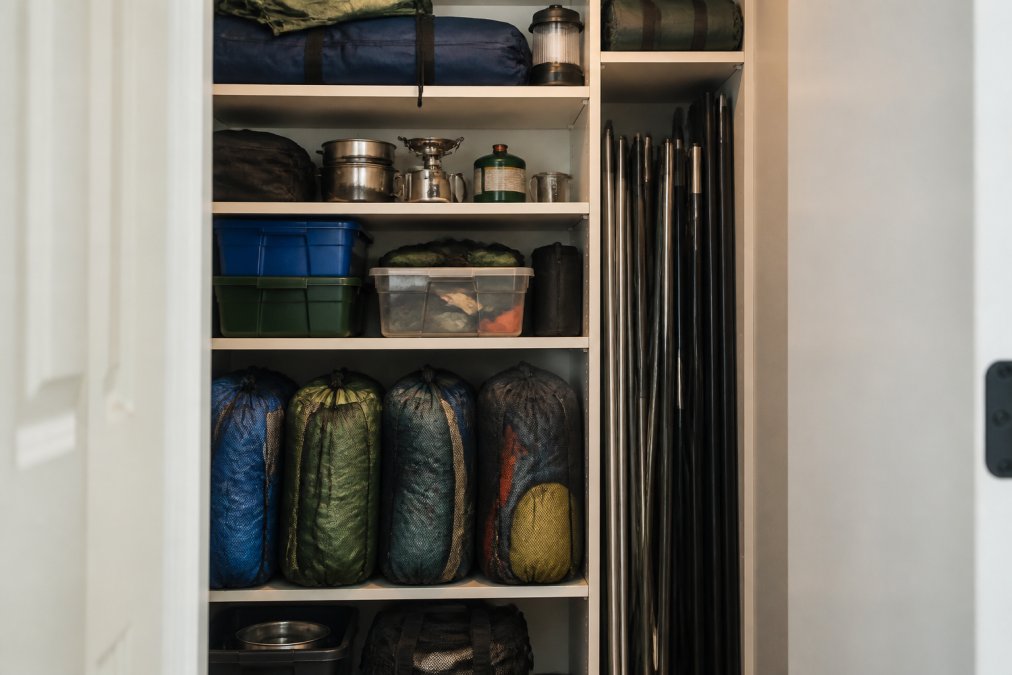
Store items at room temperature when possible. Avoid freezing and thawing cycles, which can damage waterproof coatings and degrade seam tape. If gear must be stored in a cold space, keep it consistently cold rather than cycling between temperatures.
Label and date your gear. Knowing when you bought something helps you track how much UV exposure it's had and when replacement might be necessary. Gear stored for five years is more likely to fail than gear stored for one year.
Outdoor Gear Maintenance Tips That Prevent Failure
Regular maintenance catches problems before they become failures. A few minutes of care after each trip extends gear life by years.
Clean gear after every use. Dirt and sand act like sandpaper against fabric, accelerating abrasion. Salt water is especially damaging, it corrodes metal components and degrades waterproof coatings. Rinse gear with fresh water and let it dry completely before storing.
Inspect seams and zippers before packing away. Look for peeling tape, separated stitching, or jammed zippers. Small repairs now prevent field failures later. A seam that's starting to delaminate can be resealed with seam sealer. A zipper that's sticking can often be freed with lubricant.
Test gear before trips. Set up your tent in the yard. Check that all zippers work smoothly. Inflate your sleeping pad and leave it overnight to ensure it holds air. A slow leak discovered at home is an annoyance. A slow leak discovered on day three of a week-long expedition is a disaster.
Lubricate metal components. Zippers, tent poles, and carabiners benefit from occasional lubrication. Use silicone-based lubricants on zippers and plastic components. Avoid oil-based lubricants, which can degrade some materials.
Reapply DWR coating as needed. Most rain gear loses its water-beading properties after a year or two of use. You can reapply DWR coating at home using commercial products, or send gear to a professional service. This is much cheaper than replacing gear.
Store gear in the configuration it will be used. If you pack your backpack with certain items in certain pockets, pack it the same way for storage. This prevents stress on straps and seams from being bent in unusual directions.
Best Outdoor Gear Repair Kits and When to Replace Instead
Not every failure warrants replacement. Some damage is repairable in the field or at home. Knowing the difference saves money and keeps you prepared.
Field repairs are temporary solutions that get you through a trip. Duct tape patches a small hole in a tent. Seam sealer fixes a leaking seam. A stuck zipper can sometimes be freed with graphite lubricant. These fixes work for a few trips, but they're not permanent.
Home repairs are more durable. Patch kits designed for tents or sleeping bags use adhesive-backed fabric that bonds to the material. Seam sealer applied at home cures properly and holds better than field-applied seam sealer. Zipper replacement is possible on some gear but requires sewing skills.
The GreatAdventureSupply First Aid Kit (151 pieces) at $49.90 includes basic tools useful for gear repair, though it's primarily designed for medical emergencies. For dedicated gear repair, the 47Pcs Emergency Survival Kit at $78.99 includes patches and repair tape.


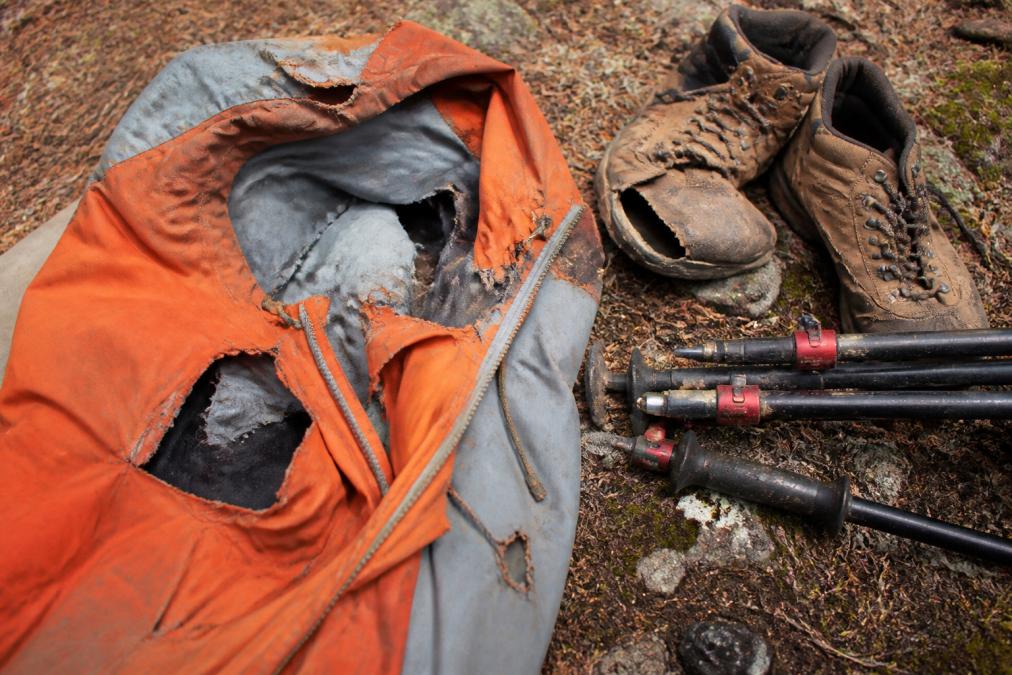
Some damage is beyond repair. Extensive delamination across a large area means the fabric structure is compromised. Hydrolysis that has made material sticky or chalky throughout indicates the material is breaking down at a chemical level. Tears longer than a few inches are difficult to patch durably. Multiple failures in different areas suggest the gear has reached end-of-life.
Consider the cost of repair versus replacement. If a repair kit costs $30 and extends gear life by two seasons, it's worth it. If professional repair costs $80 and the gear is five years old anyway, replacement might be smarter.
Repair vs. Replace: Making the Right Call
The decision to repair or replace depends on three factors: the extent of damage, the age of the gear, and the cost of repair versus replacement.
Repair makes sense when:
- Damage is localized to one area (a single seam, one zipper, one small hole)
- The gear is relatively new (less than three years old)
- Repair cost is less than 30% of replacement cost
- The rest of the gear is in good condition
A tent with a leaking seam but otherwise sound fabric is worth repairing. A backpack with a torn strap but intact main compartments is worth fixing. These are single-point failures that don't indicate broader material degradation.
Replace when:
- Multiple failures are appearing in different areas
- Material shows signs of hydrolysis or widespread UV damage
- Repair cost exceeds 40% of replacement cost
- The gear is more than five years old and showing age
A tent with delaminating seams, a leaking corner, and a broken zipper is showing signs of systemic failure. Repairing one problem won't prevent the others from getting worse. A sleeping bag that's lost loft, has multiple small holes, and is starting to delaminate has reached end-of-life.
Consider your usage pattern. If you use gear intensively (every weekend), it ages faster than gear used occasionally (a few times per year). Intensive-use gear may need replacement after three years. Occasional-use gear might last seven years or more.
Think about the consequences of failure. A small leak in a shelter tent during a casual family camping trip is annoying. A small leak in a shelter tent during a winter mountaineering expedition could be dangerous. For critical safety gear, replacing earlier is the smarter choice.
Conclusion: Building a Gear Maintenance Habit
Outdoor gear fails prematurely when storage, maintenance, and usage patterns work against material durability. UV exposure degrades synthetic fabrics. Moisture accelerates hydrolysis. Repeated stress creates material fatigue. User error and manufacturing defects compound the problem.
The solution isn't buying more gear, it's caring for the gear you have. Dry it after use. Store it properly. Inspect it regularly. Repair small problems before they become big ones.
GreatAdventureSupply makes it easy to keep your gear in top condition. Stock up on repair essentials with the WSK Emergency Auto Survival Kit at $125.99 or the 47Pcs Emergency Survival Kit at $78.99, both include repair tools and supplies for field and home maintenance. Start building the habit now, and your gear will serve you reliably for years to come.

Frequently Asked Questions
What are the most common causes of outdoor gear failure?
Outdoor gear fails prematurely due to UV exposure, improper storage, abrasion, delamination of seam tape, zipper failure, hydrolysis of synthetic fabrics, and user error or overloading. UV degradation breaks down polymer structure, while moisture trapped in storage causes chemical breakdown. Seams separate when DWR coatings fail or seam sealing degrades. Regular inspection and proper maintenance prevent most failures before they become catastrophic.
How can I extend the lifespan of my camping equipment?
Store gear in cool, dry conditions away from direct sunlight to prevent UV degradation and hydrolysis. Clean and dry equipment thoroughly after each use, especially sleeping pads and tent seams. Apply seam sealer annually to maintain waterproofing. Inspect zippers, stress points, and fabric for signs of wear before each trip. Avoid overloading beyond equipment weight limits. Use repair kits immediately when you spot delamination or small tears to prevent structural failure.
Is it better to repair or replace damaged outdoor gear?
Repair gear if damage is minor, small tears, zipper issues, or seam tape separation, using quality repair kits. Replace gear if structural integrity is compromised, delamination is widespread, tensile strength is visibly reduced, or the item has suffered catastrophic failure. A single-wall tent with major seam failure or a sleeping pad with multiple leaks should be replaced. Repair costs are justified only if the gear still has significant remaining lifespan and field-repair kits can restore functionality reliably.
How does improper storage affect outdoor gear durability?
Storing gear in damp, warm conditions accelerates hydrolysis, breaking down synthetic fabrics and adhesives that bond seam tape. Tight compression storage stresses fabric at stress points and can cause permanent creasing. Sunlight exposure during storage causes UV degradation and polymer breakdown. Storing gear while still wet promotes mold and chemical degradation. Store equipment in breathable, cool, dark spaces, use breathable storage bags for sleeping bags and tents, keep items in a climate-controlled closet, and ensure complete dryness before packing away.
A well-maintained gear collection is the foundation of safe, enjoyable outdoor adventures. When your tent doesn't leak, your backpack doesn't tear, and your sleeping bag keeps you warm, you can focus on the experience instead of worrying about equipment failure. GreatAdventureSupply is here to help you choose durable gear from the start and maintain it properly throughout its lifespan. Add repair kits to your next order and commit to the maintenance routine that prevents premature failure.
This article was written using GrandRanker