 ultimate-guide
Why Buy Specialized Outdoor Gear: A 2026 Guide
Table of Contents
- Why Buy Specialized Outdoor Gear: Performance, Safety, and Long-Term Value
- Specialized vs. Versatile Gear: Trade-Offs That Matter
- The Benefits of Technical Outdoor Apparel: Comfort, Safety, and Performance
- When to Invest in High-End Camping Equipment (And When to Wait)
- Durability, Weight, and Cost-Per-Use: The Real Math of Specialized Gear
- Outdoor Gear Maintenance Tips to Extend Gear Life and ROI
- The Environmental Impact of Over-Consumption and the Skill-to-Gear Ratio
- Conclusion: Making Confident Gear Choices for Every Adventure
- Frequently Asked Questions
Last Updated: September 13, 2026
Why Buy Specialized Outdoor Gear: Performance, Safety, and Long-Term Value
Why buy specialized outdoor gear? Because the right equipment is built for the specific demands of your activity, and that difference shows up in safety, comfort, and how long the gear lasts. This guide from GreatAdventureSupply breaks down the trade-offs so you can spend with confidence.
Generic gear gets you to the trailhead. Specialized outdoor gear gets you home. A jacket cut for cycling doesn't block wind the way a mountaineering shell does, and a department-store tent won't shed a sustained downpour the way a four-season model will. The gap isn't marketing. It's design intent.
U.S. Forest Service outdoor safety guidance puts it plainly: conditions change fast, and equipment that matches the environment is part of basic preparedness. Below, we'll show you exactly how to judge when a specialized piece earns its price, and when a versatile option is the smarter buy.
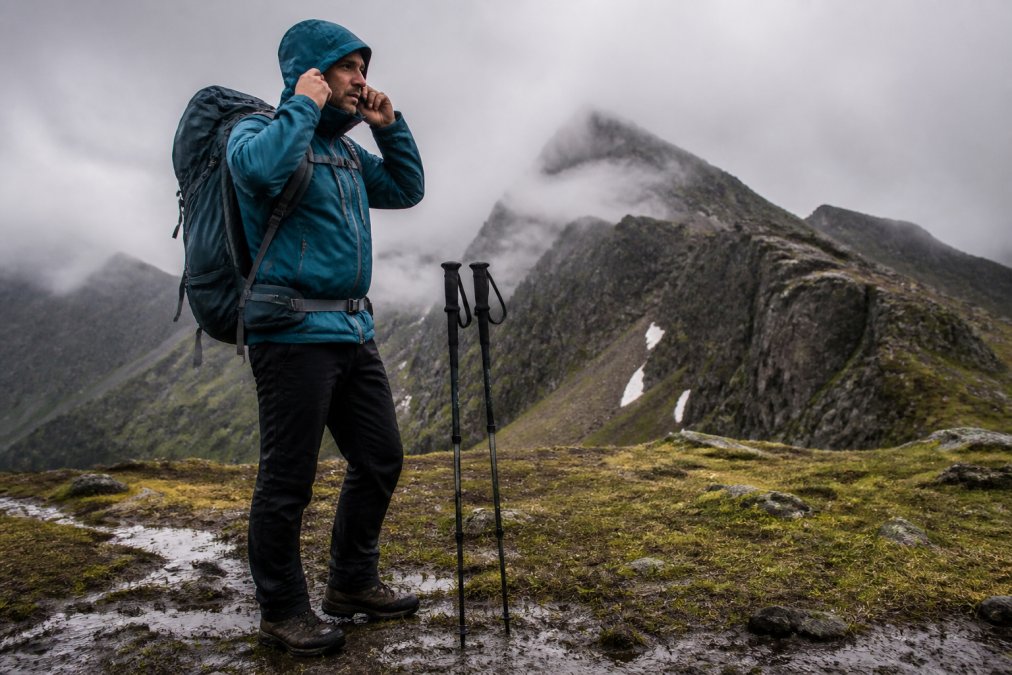
Specialized vs. Versatile Gear: Trade-Offs That Matter
Specialized gear wins on technical performance in one narrow condition; versatile gear wins on range. Pick based on how often you'll actually meet that condition.
A dedicated alpine shell handles wind-driven rain and abrasion better than a three-in-one crossover jacket. But that crossover jacket works for a fall hike, a school pickup, and a rainy commute. The trade-off is real in both directions, and most people overbuy specialization for trips they take twice a year.
- Specialized: higher performance ceiling, narrower use case, usually higher upfront cost
- Versatile: broader use, lower ceiling, often heavier or bulkier for the same protection
- Multi-functional: a middle path, best when the design doesn't compromise either job
What most guides miss is that versatility isn't the enemy of performance. It's a different design goal.
| Gear Type | Best For | Main Trade-Off | Typical Use Frequency |
|---|---|---|---|
| Specialized | One demanding activity | Narrow use, higher cost | Frequent, focused trips |
| Versatile | Mixed casual outings | Lower performance ceiling | Regular, varied use |
| Multi-functional | Travel and hybrid trips | Compromises on extremes | Occasional to regular |
The Benefits of Technical Outdoor Apparel: Comfort, Safety, and Performance
The benefits of technical outdoor apparel come down to three mechanisms: moisture management, vapor transmission, and fit engineered around motion. Each one solves a specific failure mode that cotton and fashion outerwear cannot.
Start with moisture. Cotton holds water against your skin and loses nearly all of its insulating value when wet, a phenomenon most hikers learn the hard way on a cool, drizzly morning. Synthetics like polyester and nylon move sweat to the fabric surface where it evaporates, and merino wool does the same while naturally resisting odor over multi-day use. That is why the old saying "cotton kills" persists in cold, wet conditions: it is not the fiber that is dangerous, it is the fact that it stays wet.
Next, vapor transmission. A waterproof shell without breathability traps your own sweat inside, so you end up soaked from the inside. Modern membranes use either a microporous structure (pores small enough to block liquid water but large enough to pass vapor) or a hydrophilic coating that moves moisture molecule by molecule. Pit zips, chest vents, and two-way front zippers exist because even the best membrane cannot keep up with hard exertion, mechanical venting is still the fastest way to dump heat.
Fit is the third mechanism, and it is where technical apparel separates from fashion jackets. Articulated sleeves are cut with a bend at the elbow so the fabric does not pull when you reach for a hold or a trekking pole grip. Gusseted crotches allow a full stride without binding. Drop hems stay tucked under a harness or pack belt. Flatlock and taped seams sit flush against skin so a shoulder strap does not grind them into your collarbone over a long carry.
The practical framework is layering, not a single wonder-garment:
- Base layer: moves moisture off skin. Merino or synthetic, never cotton.
- Mid layer: traps warmth. Fleece, grid fleece, or a lightweight synthetic puffy.
- Shell: blocks wind and rain while letting vapor escape. This is where membrane quality and vent design matter most.
Here is the Skill-to-Gear Ratio angle most gear guides skip: a beginner wearing a basic synthetic base layer and a $40 rain shell will often be more comfortable than a beginner in a top-tier membrane shell, because the beginner has not yet learned to modulate layers. Technical apparel rewards the user who understands when to vent, when to shed a mid layer, and when to add one. The gear amplifies skill; it does not replace it.
When to Invest in High-End Camping Equipment (And When to Wait)
Invest in high-end camping equipment when the gear is load-bearing for your safety or your sleep, and wait when it is a convenience you have not tested yet. Shelter, sleep system, and water treatment are the three categories where quality compounds, and each one compounds for a specific, mechanical reason.

Shelter. A tent's job is not just to keep rain off. It is to manage condensation, stand up to wind, and stay intact when a pole splinters at 2 a.m. Budget tents often use heavier fabrics with lower hydrostatic head ratings, which means water can push through the fly in a sustained downpour. They also tend to use fewer guy-out points, so a gust that a four-season tent shrugs off can flatten a three-season model. The upgrade you are paying for is not luxury, it is the difference between a wet night and a dry one, and occasionally between a safe night and a dangerous one.
Sleep system. A sleeping pad's R-value measures its resistance to heat loss. A pad rated R-2 is fine for warm summer nights but will pull heat out of your body on cold ground, no matter how good your bag is. The bag's temperature rating assumes you are wearing a base layer and using a pad with an appropriate R-value, a detail most product pages bury. If you sleep cold, the pad is usually the better upgrade than the bag.
Water treatment. A filter that clogs mid-trip forces you to boil, which means fuel, time, and a fire in conditions where you may not want one. Quality filters trade a higher upfront price for a higher liter throughput, replaceable cartridges, and field-serviceable parts. That is reliability, not luxury.
Now the cost-per-use math that justifies the spend:
- A $400 tent used 20 nights a year for 8 years is $2.50 per night.
- A $120 tent that leaks and gets replaced every 2 years costs $3.00 per night, and ruins a trip each time it fails.
- A $200 sleeping pad used 30 nights a year for 6 years is about $1.11 per night.
The "expensive" option often wins on pure arithmetic once you divide by nights survived.
What to wait on: the camp espresso maker, the second stove, the upgraded lantern, the folding camp table. These are conveniences, not load-bearing. Rent or borrow first, then buy only what you actually missed. A common pattern among experienced campers is that the gear they regret is almost never the shelter or the pad, it is the gadget they bought before they knew they wanted it.
Leave No Trace principles for outdoor ethics reinforces this. Fewer, better pieces you maintain and keep for years beat a closet full of disposable gear, and the Skill-to-Gear Ratio applies here too. A novice with a mid-range tent and good site selection will stay drier than a novice with a top-tier tent pitched in a drainage. Learn to read terrain and weather before you upgrade the shelter.
Durability, Weight, and Cost-Per-Use: The Real Math of Specialized Gear
Cost-per-use is the only price comparison that matters. Divide what you paid by the number of trips the gear survives, and the "expensive" option often wins.
A $200 shell worn 40 times costs $5 per trip. A $60 jacket that delaminates after 10 wears costs $6 per trip and then needs replacing. Add the cost of a ruined trip and the math gets worse. Weight works the same way: a lighter pack or shelter reduces fatigue, which extends how far you can go and how much you enjoy it. That's the weight-to-strength ratio in practice, and it's why serious backpackers pay for it.
Outdoor Gear Maintenance Tips to Extend Gear Life and ROI
These outdoor gear maintenance tips extend the life of every piece you own, and they take minutes, not hours.
- Rinse and air-dry tents and tarps before storage; never pack them damp
- Re-waterproof shells with a wash-in or spray-on treatment each season
- Store sleeping bags loose, not compressed, to protect the loft
- Clean and lubricate water filters and pumps after every trip
- Inspect seams, zippers, and buckles before each outing
- Store gear dry, dark, and off the floor
Gear maintenance is where lifecycle ROI lives. A treated shell lasts years longer than a neglected one, and a cleaned filter keeps flowing instead of clogging mid-trip. The American Hiking Society trail stewardship resources frame it the same way: care for your equipment and it cares for you.
The Environmental Impact of Over-Consumption and the Skill-to-Gear Ratio
Buying less, better gear is the most effective environmental move an outdoor enthusiast can make. Every replaced jacket carries the cost of its materials, manufacturing, and shipping. Keeping one piece for a decade avoids all of that.
The skill-to-gear ratio is the other half of the equation. A skilled hiker with modest equipment often out-performs a novice with a full technical kit, because knowledge covers gaps that gear can't. Learn to read weather, pitch a tarp, and manage layers before you buy the top-tier version of everything.
Conclusion: Making Confident Gear Choices for Every Adventure
The hardest part of gear shopping isn't finding options. It's knowing which ones you'll actually use, and which will sit in the garage. Start with the categories that protect your safety and sleep, choose specialized outdoor gear where it earns its keep, and keep the rest versatile.
GreatAdventureSupply curates gear selected for quality, performance, and comfort, with multifunctional and portable designs built to perform in real conditions. Browse camping, survival, fishing, hunting, and tactical collections in one place, and add to cart with confidence for your next expedition.
Frequently Asked Questions
What are the primary benefits of using specialized outdoor gear?
Specialized outdoor gear delivers better performance, safety, and durability for specific activities. Technical apparel uses moisture-wicking and breathable fabrics to regulate temperature, while niche equipment like water purifiers or survival kits is designed for reliability in extreme conditions. These items often have a lower cost-per-use because they last longer and reduce the need for replacements. For example, a portable water filter rated for 2,000 liters can serve multiple trips, making it a practical investment for frequent campers.
Is expensive outdoor gear always better than budget alternatives?
Not always. Higher prices often reflect advanced materials, testing, and specialized design, but budget gear can work for casual, fair-weather use. The key is matching gear to your activity level and environment. If you hike occasionally on maintained trails, mid-range options may suffice. For multi-day backcountry trips or extreme weather, investing in high-performance equipment improves safety and reliability. Focus on cost-per-use and your specific needs rather than price alone.
How do you determine when to upgrade to specialized equipment?
Upgrade when your current gear consistently limits comfort, safety, or performance. Signs include worn-out materials, frequent failures, or physical discomfort on longer trips. If you camp more than a few times a year or face unpredictable weather, specialized gear becomes worthwhile. Also consider the skill-to-gear ratio: as your skills grow, better equipment helps you go further and stay safer. Start with the Big 4 (tent, sleeping bag, pad, backpack) and upgrade those first.
Does specialized gear actually last longer than general-purpose items?
Yes, specialized gear is typically built with more durable materials and construction. For instance, technical apparel uses reinforced stitching and weather-resistant fabrics, while camping water filters have replaceable cartridges that extend their lifespan. Proper maintenance, like cleaning and storing gear correctly, further increases longevity. While the upfront cost is higher, the gear lifecycle can be two to three times longer than budget alternatives, making the investment more economical over time.