 ultimate-guide
Essential Gear for Family Camping Trips: A 2026 Guide
Table of Contents
- Shelter and Sleeping Systems for Family Camping
- Essential Camping Kitchen Gear You'll Actually Use
- Clothing, Layering, and Weather Protection
- Lighting, Safety, and Navigation Essentials
- Hygiene, Sun Protection, and Bug Defense
- Family Camping Checklist for Kids and Gear Responsibilities
- How to Pack for a Family Camping Trip: Strategy and Storage
- Budget vs. Rental: Making Your Gear Investment Decision
Last Updated: August 27, 2026
Shelter and Sleeping Systems for Family Camping
Getting shelter right transforms a camping trip from miserable to memorable. Your tent isn't just protection from weather, it's your family's basecamp, and choosing the wrong one creates cascading problems: poor sleep, condensation issues, and kids who refuse to go camping again.
The foundation of any family camping setup starts with a tent that matches your group size plus breathing room. A four-person family needs a six-person tent, not a four-person one. That extra space accommodates sleeping pads, gear storage, and the reality that people shift around at night. Look for tents with a weather-rated design that handles rain, wind, and temperature swings. A quality tent footprint (ground cloth) underneath prevents punctures and extends the tent's lifespan significantly.
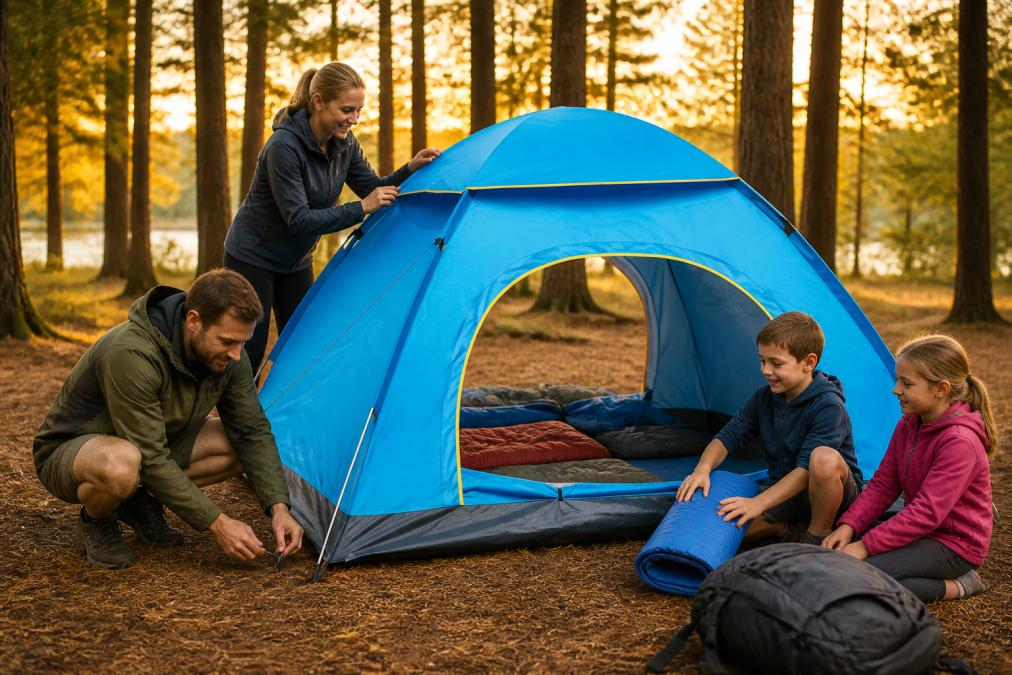
For essential gear for family camping trips, sleeping systems matter as much as the shelter itself. A sleeping bag rating tells you the lowest temperature where you'll stay warm, but ratings vary by manufacturer, so err on the side of warmth. If you're camping in spring or fall, bring bags rated for 10-15 degrees lower than the forecast low (nols.edu). Sleeping pads do two critical jobs: they insulate you from cold ground and provide comfort. Foam pads are durable and affordable; inflatable pads pack smaller but require repair kits.
The GreatAdventureSupply camping tent collection includes options sized for families, with designs that prioritize ventilation and durability. Their Pop-up Camping Tent for 2-3 People features a rainfly for weather protection and double-layer mesh doors for privacy and airflow, essential features for family camping. For larger groups, their 4-person family camping tent comes with double doors and expansion options, giving families the flexibility they need.


Essential Camping Kitchen Gear You'll Actually Use
Most families overpack the camp kitchen. You don't need fifteen utensils, a full spice rack, or a griddle. You need a compact system that handles breakfast, lunch, and dinner without taking up half your vehicle.
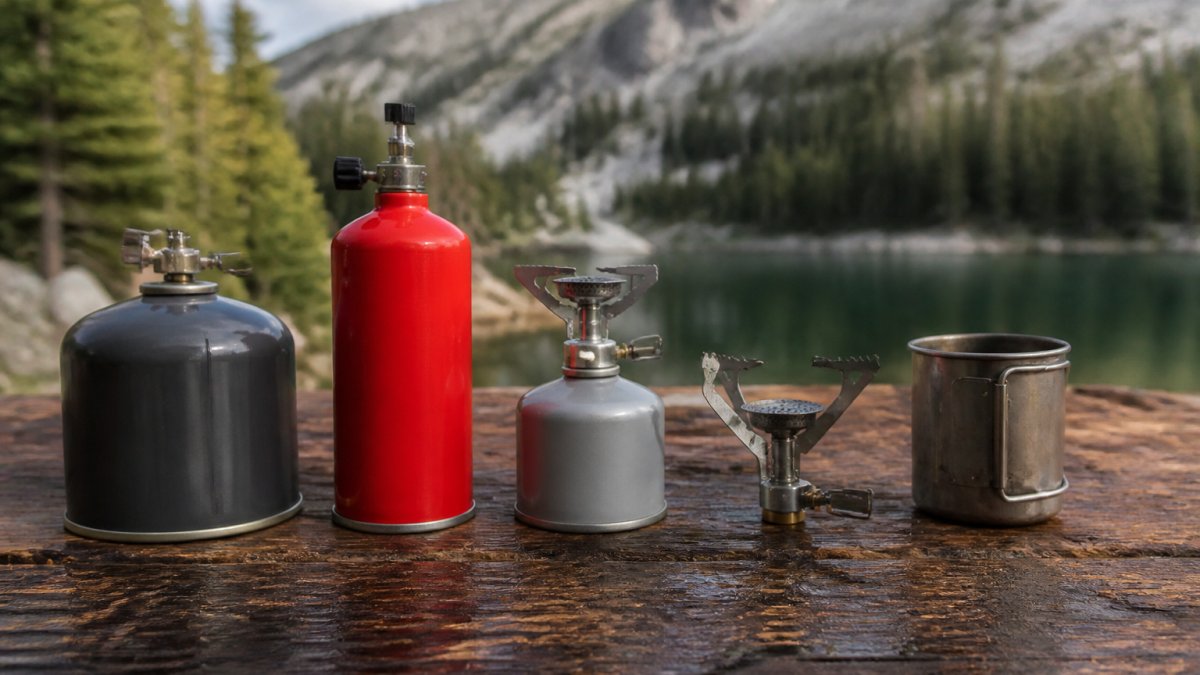
A camp stove system beats building fires for reliability and speed. The Integrated Heat Collection Stove System from GreatAdventureSupply delivers efficient heat collection that reduces fuel consumption while keeping your setup lightweight and packable. Pair it with a quality cookware set, the 304 Stainless Steel 5-Piece Camping Cookware Set nests together for compact storage and features Teflon coating for easy cleanup. For budget-conscious families, the Ultra-Light Aluminum Camping Cookware Set at $31.99 offers nestable design and heat-resistant handles at a lower price point.

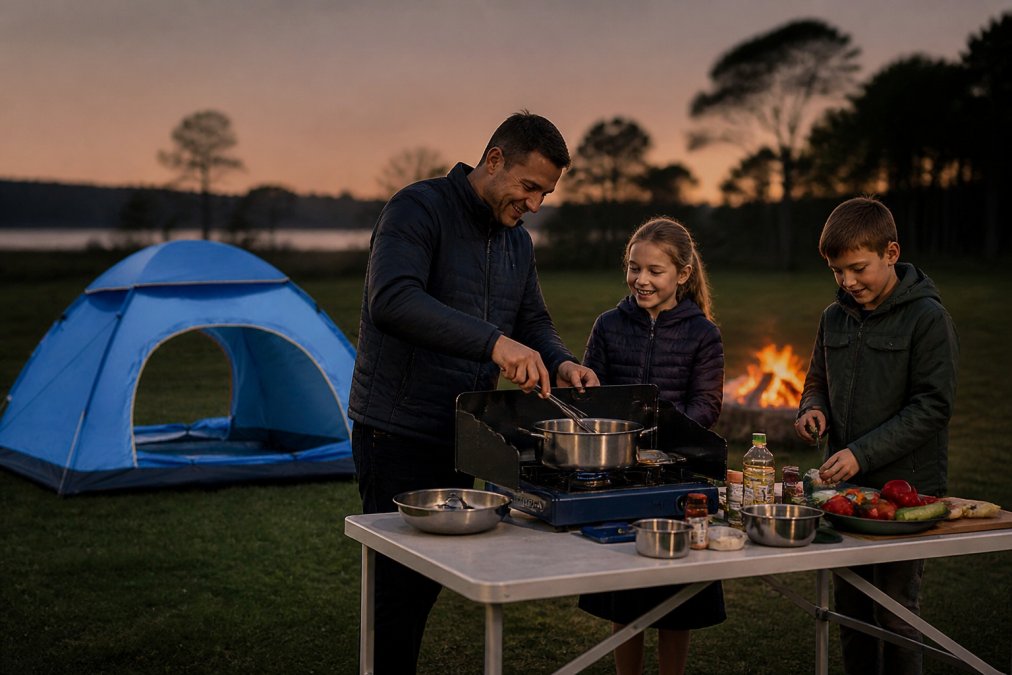
Beyond cooking equipment, a camp kitchen needs organization. A dish bin holds water for washing, use biodegradable soap and dump gray water at least 200 feet from water sources to follow leave no trace principles (lnt.org). Bring kitchen towels, a cutting board, and a multi-tool for food prep. Ziplock bags compress leftovers and organize dry goods. A camping lantern hung above the cook area extends your cooking window into darkness.
The real difference between families who enjoy camp meals and those who eat sandwiches every night comes down to prep. Pre-cut vegetables at home, portion proteins into bags, and bring simple recipes that require five ingredients or fewer. Kids eat better when they help cook, so build in time for them to participate.
Clothing, Layering, and Weather Protection
Weather changes fast in the outdoors. A sunny morning becomes a rainy afternoon becomes a chilly evening, sometimes all before dinner. Layering systems let you adapt without overpacking.
The foundation is moisture-wicking base layers. Cotton holds sweat and creates cold spots; thermal underwear made from synthetic materials or merino wool pulls moisture away from skin. Mid-layers (fleece or lightweight insulation) trap warm air. An outer shell blocks wind and rain. This three-layer system works across seasons because you add or remove pieces as conditions shift.
Footwear makes or breaks a camping trip. Waterproof hiking boots with ankle support prevent twisted ankles on uneven terrain. Bring a second pair of lightweight camp shoes, sandals or slip-ons, so boots can dry overnight. Kids' feet grow fast, so rent or borrow oversized boots rather than buying new ones annually.
Sun protection matters even on cloudy days. UV rays penetrate clouds, and reflection off water intensifies exposure. Bring sunscreen rated SPF 30 or higher, reapply every two hours, and consider lightweight long sleeves and hats. A wide-brimmed hat protects face, ears, and neck more effectively than a baseball cap.
Bring a rain jacket for each family member, not a poncho, which catches wind. A packable rain jacket folds small and deploys fast. For extended rain, bring rain pants too. Wet clothing drains body heat rapidly, so staying dry directly impacts safety.
Lighting, Safety, and Navigation Essentials
Darkness in the backcountry is absolute. Without proper lighting, a simple task becomes hazardous. Headlamps are non-negotiable, bring one for each family member plus spares.
A quality headlamp provides hands-free illumination for cooking, hiking, and bathroom trips at night. Red-light mode preserves night vision and uses less battery. Bring extra batteries; they die faster in cold weather. A camping lantern hung at your campsite provides ambient light and creates gathering space for the family.
An emergency whistle is the most underrated piece of safety gear. A whistle carries farther than a human voice and requires no batteries. Teach kids to use it only in emergencies. A basic first aid kit should include blister treatment, pain relief, antihistamines for bug bites, and tweezers for splinters. Outdoor injuries are usually minor but become major problems without treatment.
Navigation depends on your environment. For established campgrounds, a map and compass suffice. For backcountry trips, a GPS device or smartphone with offline maps prevents getting lost. Teach older kids basic map reading, it's a valuable skill and keeps them engaged.
Hygiene, Sun Protection, and Bug Defense
Hygiene in the backcountry prevents infections and illness. Bring biodegradable soap, toothbrushes, and toothpaste. Hand sanitizer works when water isn't available. Wet wipes handle quick cleanups. A small towel dries hands and dishes.
Toilet paper and a lightweight shovel handle human waste responsibly. Dig a cathole at least 200 feet from water sources, bury waste, and pack out toilet paper in a sealed bag. Teach kids this system before the trip so it feels normal, not gross.
Bug protection depends on your destination and season. Insect repellent containing DEET works effectively against mosquitoes and ticks (the CDC). Permethrin-treated clothing repels ticks without touching skin. Long sleeves and pants during dawn and dusk, peak bug hours, reduce bites naturally. Check for ticks daily, especially in kids' hairlines and behind ears.
Sun protection extends beyond sunscreen. UV-blocking clothing, wide-brimmed hats, and sunglasses protect eyes from UV damage. Sunburn ruins camping trips and increases skin cancer risk, so treat it seriously. A lightweight umbrella provides shade during midday heat and doubles as rain protection.
Family Camping Checklist for Kids and Gear Responsibilities
Involving kids in gear management teaches responsibility and keeps them engaged. Assign age-appropriate tasks: younger children (ages 5-8) can pack their own sleeping bags and help organize the camp kitchen. Older kids (ages 9-12) can manage their clothing layers, set up their sleeping area, and help with meal prep. Teenagers can handle navigation, fire safety, and helping younger siblings.
Create a family camping checklist that includes each person's gear. Use a simple table to track what's packed:
| Item | Person Responsible | Status |
|---|---|---|
| Sleeping bag | Each child | Packed |
| Hiking boots | Each child | Packed |
| Thermal underwear | Each child | Packed |
| Headlamp | Each child | Packed |
| First aid kit | Parent | Packed |
| Camp stove | Parent | Packed |
| Cookware set | Parent | Packed |
Teach kids why gear matters. A sleeping pad isn't just comfortable, it insulates them from cold ground. A headlamp keeps them safe at night. A multi-tool solves problems. When kids understand purpose, they care for gear better.
Start with short trips, one or two nights, to build confidence. Kids who feel capable on easy trips become enthusiastic about harder adventures. Let them make mistakes in low-stakes environments. Forgot to pack socks? That's a learning moment, not a failure.
How to Pack for a Family Camping Trip: Strategy and Storage
Packing strategy determines whether your vehicle feels spacious or claustrophobic. Start by listing everything, then ruthlessly eliminate duplicates and non-essentials. Every item must earn its space.
Use a gear hierarchy: shelter (tent, sleeping bags, pads) goes in first, it's bulky but non-negotiable. Kitchen gear comes next. Clothing and toiletries pack into dedicated bags. Miscellaneous items fill remaining gaps. Vertical stacking beats horizontal sprawling; tall containers use space efficiently.
Invest in storage containers that nest together. Clear plastic bins let you see contents without opening them. Labeled bins speed up packing and unpacking. A roof rack or cargo carrier extends vehicle capacity without reducing interior space.
Weight distribution matters in vehicles. Heavy items go low and centered; light items go high and toward the back. This improves handling and fuel efficiency. Secure everything so nothing shifts during driving.
Gear maintenance between trips extends lifespan and prevents failures. Clean and dry tents before storing them. Check sleeping bags for damage. Inspect cookware for rust. Test headlamps and replace dead batteries. A quick maintenance routine after each trip takes 30 minutes and prevents expensive replacements.
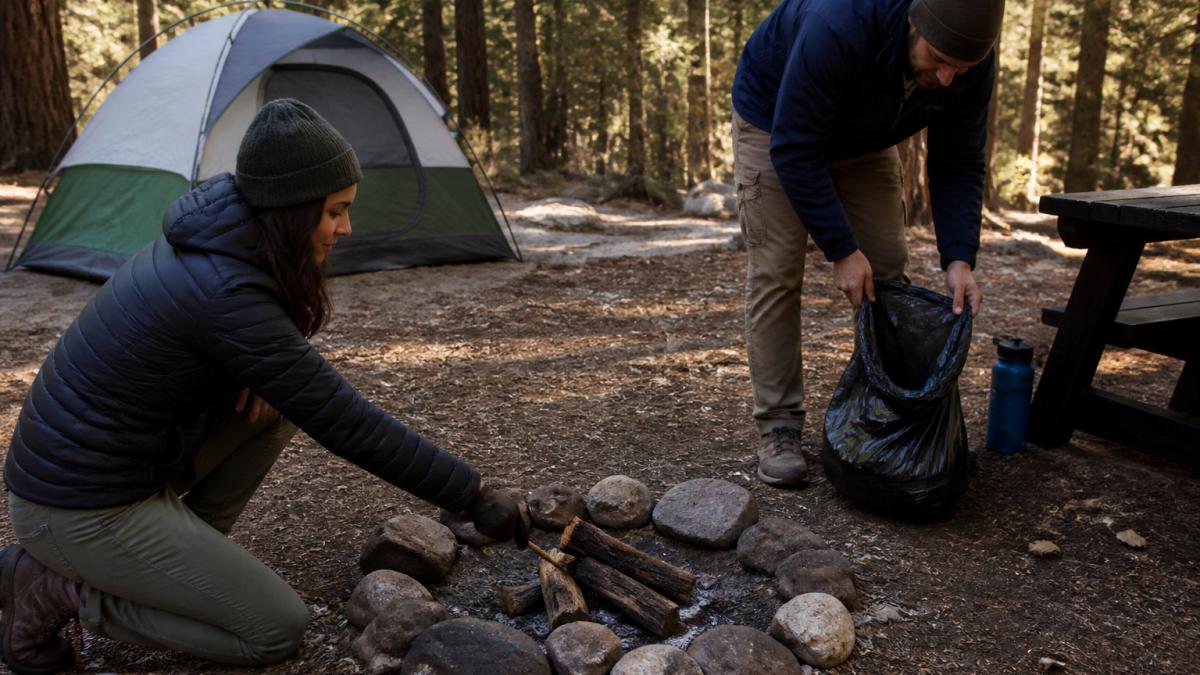
Leave No Trace principles guide responsible storage and use. Store gear away from moisture and direct sunlight to extend durability. Use eco-friendly gear when possible, sustainable cookware materials and biodegradable soap minimize environmental impact. Teach kids that respecting gear means respecting the outdoors.
Budget vs. Rental: Making Your Gear Investment Decision
Buying gear requires upfront investment but pays dividends over time. Renting offers flexibility for occasional campers but becomes expensive for regular trips. The break-even point depends on frequency and trip length.
If your family camps 2-3 times annually, buying makes financial sense. Quality gear lasts 5-10 years, spreading costs across dozens of trips. Budget-friendly options like GreatAdventureSupply's aluminum cookware set ($31.99) and ultra-light stove system ($60.99) keep initial investment manageable.
Rental works for families testing whether camping fits their lifestyle. Rent for your first trip, then buy if everyone enjoys it. Rentals also make sense for specialized gear you'd use once, like mountaineering equipment for a single alpine adventure.
A hybrid approach balances cost and flexibility: buy core essentials (tent, sleeping bags, cookware) and rent specialized items. This minimizes spending while maintaining quality where it matters most.
Consider the total cost of ownership: purchase price plus maintenance and replacement. Quality gear costs more upfront but requires fewer repairs. Cheap gear saves money initially but fails sooner, forcing replacements. The GreatAdventureSupply collection offers curated options across price points, helping families find gear that performs without overspending.
Teach kids that quality gear is an investment in experiences. When they understand that a good sleeping pad means better sleep, which means better hiking the next day, they value gear appropriately. This mindset extends beyond camping, it builds appreciation for tools that work and last.
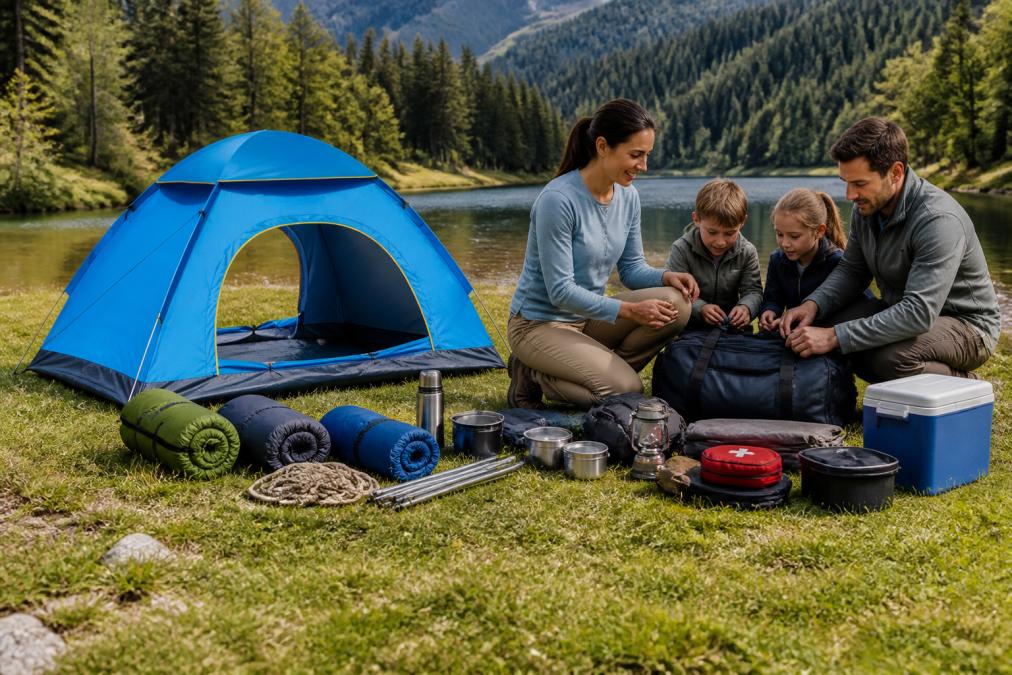
Planning a family camping trip starts with choosing the right essential gear for family camping trips. The shelter protects you, the kitchen sustains you, and proper clothing keeps you comfortable across weather shifts. Lighting and safety gear prevent problems. Hygiene systems maintain health. Involving kids in gear management builds responsibility and engagement.
GreatAdventureSupply simplifies this process by offering curated collections of proven gear in one place. From the camping tent that shelters your family to the stove system that cooks your meals, every item is selected for performance and reliability. Start with the essentials, test your setup on short trips, and expand your collection as your family's comfort and confidence grow. Get started with GreatAdventureSupply and transform camping from stressful to enjoyable.
Frequently Asked Questions
What are the 10 essential items for family camping?
A reliable tent, sleeping bags rated for the season, sleeping pads for insulation and comfort, a camp stove and cookware, headlamps or lanterns, first aid kit, water filtration or purification system, fire starter, multi-tool, and weather-appropriate clothing. Each serves a critical function, shelter, warmth, cooking, visibility, safety, hydration, fire management, repairs, and protection. Prioritize these before adding comfort items. Your family's specific needs may shift priorities, but these ten cover survival and basic comfort for most trips.
How do you keep kids comfortable while camping?
Invest in a sleeping pad rated for ground insulation, kids lose heat faster than adults. Choose a sleeping bag with the correct temperature rating for the season. Pack moisture-wicking layers and extra socks to prevent cold, damp discomfort. Bring familiar snacks and simple, warm meals. Set up a dedicated dry area for gear and clothing. Allow downtime for play and exploration. A headlamp gives kids independence to move around safely at night. Comfort directly affects sleep quality and mood, so prioritize these basics over fancy extras.
What is a tent footprint and why do families need one?
A tent footprint is a protective ground cloth that sits under your tent. It shields the tent floor from sharp rocks, roots, and moisture, extending tent life and improving ground insulation. For families making multiple trips, a footprint is a smart investment, it reduces wear on expensive tents and adds warmth on cold ground. Tarps serve a similar purpose and offer flexibility for different campsite layouts. Both are lightweight and packable, making them essential for durability-focused camping.
Should we buy camping gear or rent it for family trips?
Buy if you plan 4+ trips per year or have specific comfort requirements, ownership pays off through familiarity and customization. Rent for occasional trips or to test gear before committing. Rentals eliminate storage concerns and let you try high-end equipment. Many families buy core items (tent, sleeping bags, cooking gear) and rent specialty equipment (backpacks, technical gear). Calculate: rental costs multiply quickly. A mid-range tent at $89.99 pays for itself in 3-4 annual rentals. Budget-conscious families often find buying entry-level gear more economical long-term.
What gear helps families practice leave-no-trace camping?
Pack a tarp or ground cloth to contain your campsite footprint. Use a camp stove instead of open fires to minimize impact. Bring a portable water filtration system to avoid damaging water sources. Pack out all waste in durable bags. Use biodegradable soap and toiletries. A multi-tool lets you repair gear instead of replacing it, reducing waste. Teach kids to respect wildlife by storing food securely and observing from distance. Leave-no-trace gear is often the same as standard camping gear, the difference is intentional practice and education.
How do I choose the right sleeping bag rating for family camping?
Sleeping bag temperature ratings indicate the lowest temperature at which the bag maintains warmth. For summer camping, a 20°F to 40°F rating works. Spring and fall trips require 10°F to 20°F bags. Winter camping demands 0°F or lower. Kids typically need a warmer bag than adults, consider dropping the temperature rating by 10°F for children. Layering and a sleeping pad increase effective warmth. Check the season of your planned trips and buy accordingly. An undersized bag is dangerous; oversized bags trap dead air and lose heat. Accurate ratings prevent discomfort and safety risks.
What cooking gear works best for family camping trips?
A compact camp stove paired with lightweight cookware handles most family meals. The Integrated Heat Collection Stove System ($60.99) reduces fuel consumption and cooks efficiently. Pair it with the 304 Stainless Steel 5-Piece Camping Cookware Set ($83.99) for durability and non-stick convenience, or choose the Ultra-Light Aluminum set ($31.99) for backpacking trips. Add a dish bin for washing, utensils, and a cutting board. Pre-prep meals at home to simplify cooking. A camp kitchen setup doesn't need to be fancy, focus on reliability and packability. Test your setup at home before your first trip.
This article was written using GrandRanker