 listicle
13 Essential Items to Pack for a Family Camping Trip
Last Updated: October 26, 2026
Quick Summary
A family camping trip requires a quality tent, sleeping bags with pads, layered clothing, cooking equipment, and a comprehensive safety kit. Essential items include a waterproof tent that sets up quickly, sleeping pads rated for your season, moisture-wicking clothing, a camp stove with fuel, a first-aid kit, and a paper map. Proper food storage in coolers and advance meal planning ensure safety and reduce stress on your first adventure.
- Pack a tent that sleeps up to five people and sets up in roughly 15 minutes using a bracket-and-rod system
- Bring at least three pairs of socks per person plus extras, as wet feet ruin a camping trip
- Keep cooler food at 40°F or below using a thermometer, and store all food in your vehicle overnight to prevent wildlife problems
- Test your tent setup, camp stove, and all batteries at home before departure
- Tell someone your exact itinerary, campsite name, and arrival date so they can alert authorities if you don't check in
Table of Contents
- Shelter and Tent Setup for a Family Camping Trip
- Sleeping Bags, Mats, and Bedding Essentials
- Clothing Layers and Footwear to Pack
- Complete Family Camping Checklist by Category
- Camping Packing List for Kids: Age-Specific Gear
- Family Camping Food List and Cooking Equipment
- First Family Camping Trip Checklist: Don't Forget These
- Preparing Your Gear and Loading the Car
- Frequently Asked Questions
Shelter and Tent Setup for a Family Camping Trip
A quality tent is the foundation of any family camping trip, protecting everyone from wind, rain, and insects.
The 4-5 Person Camping Tent Outdoor Foldable Waterproof Tent from GreatAdventureSupply strikes the right balance for most families.
Setup matters: a tent that takes 45 minutes to assemble after a long drive tests everyone's patience.
Car camping allows larger, heavier models; backpacking demands lighter gear.
Sleeping Bags, Mats, and Bedding Essentials
Cold, uncomfortable nights drain enthusiasm faster than almost anything else, so the right sleeping system keeps everyone warm and rested.
The Sleeping Bag Sleeping Pad Pillow Combo Set from GreatAdventureSupply combines three essential pieces into one integrated system. The sleeping bag weighs just 2 lbs 4 oz, features a drawstring hood and dual heat barriers for warmth, and includes pockets to secure the pad underneath you. The self-inflating pad measures 78" x 24" x 2" and inflates effortlessly, just open the nozzle and let air fill the foam core, or blow into it for faster setup. The included pillow adjusts for firmness and doubles as an inflation pump.
Three-season gear works for spring, summer, and fall; winter trips require cold-weather bags. Check the temperature rating against typical nighttime lows.
A common mistake is underestimating how cold nights get. Even summer camping at higher elevations drops into the 40s.
Clothing Layers and Footwear to Pack
Weather changes quickly outdoors, and layering lets your family adapt without overpacking: moisture-wicking base layers, insulating mid-layers, and weather protection on top.
Start with moisture-wicking shirts and long pants, cotton holds moisture and stays cold, while synthetic or merino wool pulls sweat away.
Add a fleece or lightweight insulating layer for warmth when temperatures drop. A Unisex Waterproof Raincoat with Pocket for Hiking Outdoor weighs only 281g, folds into its own pocket, handles heavy rain with 3000mm+ waterproof fabric, and covers backpacks up to 50L.
Bring extra socks, wet feet ruin a camping trip.
Include a warm hat and sunglasses: hats reduce heat loss at night and block sun, while sunglasses prevent eye strain.
Complete Family Camping Checklist by Category
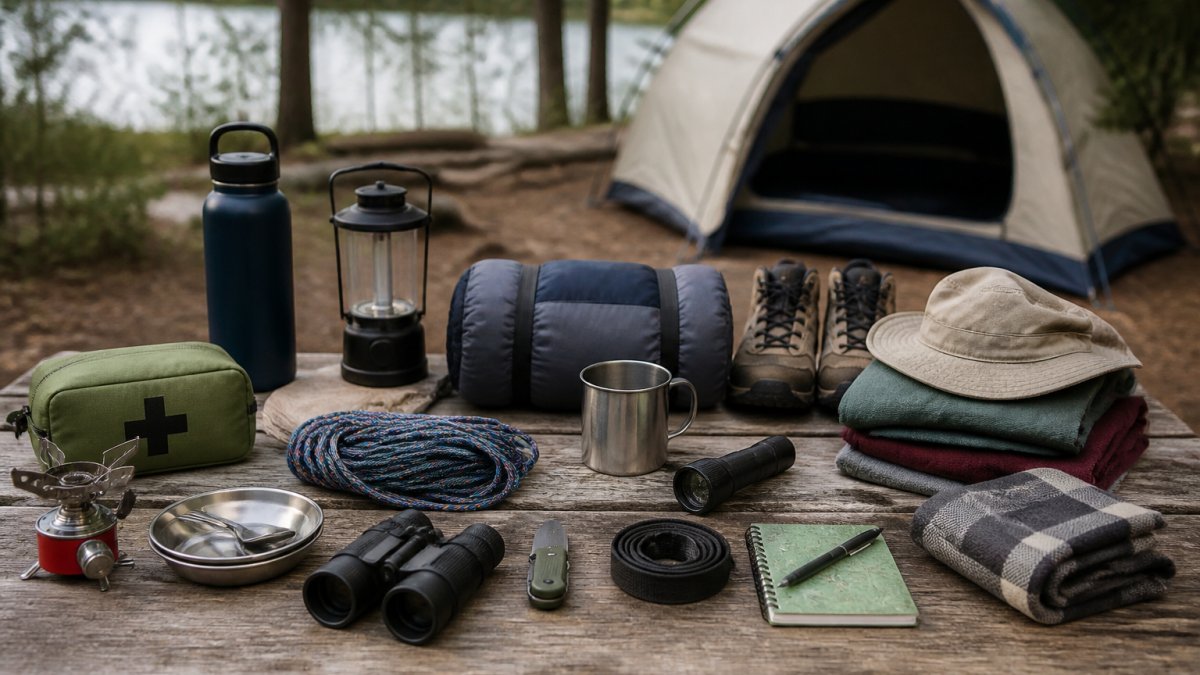
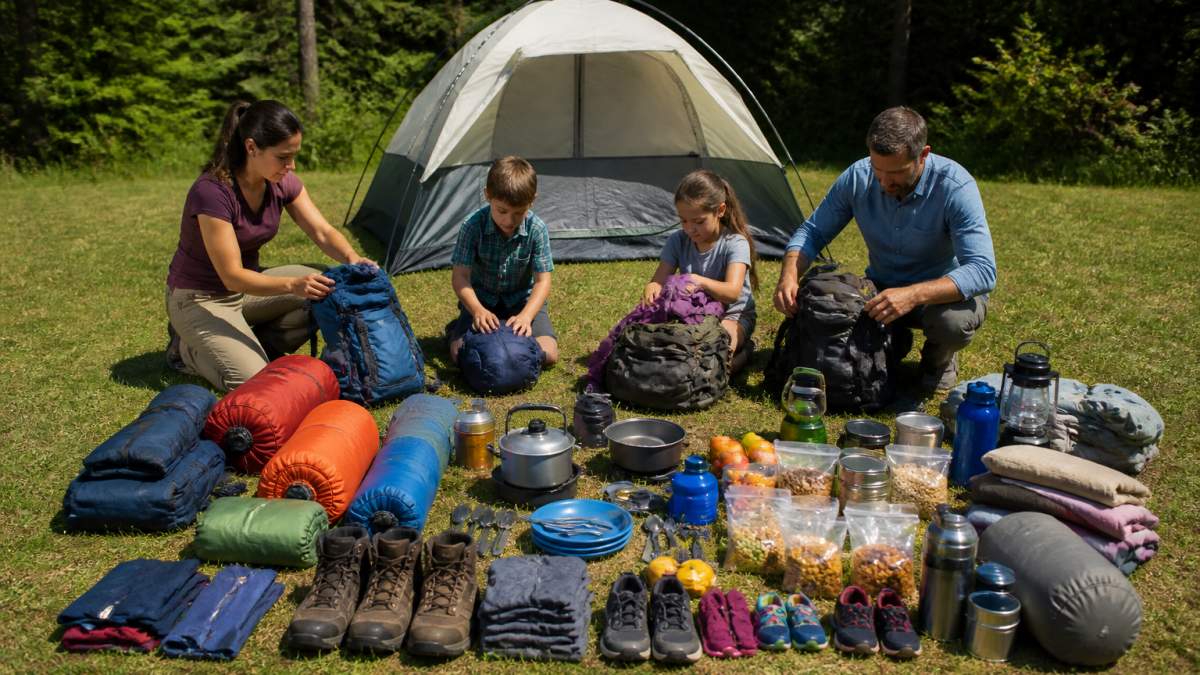
Organizing gear by category prevents forgotten items and simplifies packing.
| Category | Essential Items | Quantity per Person | Notes |
|---|---|---|---|
| Shelter | Tent, stakes, guylines, ground tarp | 1 tent per 2-3 people | Test setup before the trip |
| Sleep System | Sleeping bag, sleeping pad, pillow | 1 each | Check temperature ratings |
| Clothing | Base layers, mid-layer, rain jacket, hat | 2-3 sets | Pack extras for kids |
| Footwear | Hiking boots/shoes, sandals, socks | 1 pair each | Bring 3+ pairs of socks |
| Cooking | Stove, fuel, cookware, utensils, plates | 1 set for group | Pre-plan meals |
| Food & Water | Meals, snacks, water bottles, cooler | Varies | Bring more than you think |
| Hygiene | Toothbrush, soap, towel, toilet paper | 1 per person | Biodegradable soap only |
| Safety | First aid kit, flashlight, whistle, map | 1 of each | Test batteries before trip |
| Extras | Rope, duct tape, repair kit, matches | 1 of each | Store in waterproof bag |
Quantities scale with trip length: a three-day trip needs less food and fewer clothing changes than a week-long adventure. Adjust the checklist to your itinerary.
Camping Packing List for Kids: Age-Specific Gear
Children have different needs at different ages. Packing right keeps kids comfortable and reduces parent stress.
Infants and toddlers require extra layers, diapers, wipes, and a portable changing surface.
Preschoolers (ages 3-5) need similar items plus child-sized clothing and footwear, packed one size larger to allow for growth and layering. Include a lightweight backpack like the Kids Water-Repellent Hiking Backpack 8L: the 8-liter capacity fits essentials without overwhelming young shoulders, the water-repellent coating protects contents from rain, and the chest buckle doubles as an emergency whistle.
School-age children (6-12) can carry more responsibility: give them their own backpack for personal items, plus sun protection, books or small games for downtime, and extra snacks.
Children adjust faster than adults, pack patience alongside the gear.
Family Camping Food List and Cooking Equipment
Meal planning determines whether camping feels like an adventure or a chore. Simple, familiar foods beat complex recipes, and smart storage keeps the trip safe and wildlife-free.
A Simple Three-Day Menu Framework
Build meals around a formula: one hot breakfast, one no-cook lunch, one one-pot dinner, and two snack windows per day. That keeps cooking time low and cleanup short.
- Breakfast: Oatmeal with dried fruit and nuts, scrambled eggs cooked in a single nonstick pan, or pre-made breakfast burritos wrapped in foil and reheated on a griddle. Pack powdered milk or shelf-stable milk for cereal. Bring coffee or tea for adults.
- Lunch: Sandwiches, wraps, jerky, cheese, hummus, and trail mix. Pre-slice vegetables at home and pack them in containers. Peanut butter and jelly never fails with kids.
- Dinner: Pasta with jarred sauce, chili, stir-fry over instant rice, or hot dogs. One-pot meals minimize cleanup. Bring ingredients for s'mores, kids love the tradition and it requires almost no cooking.
Food Safety: The Cooler Rules That Actually Matter
Most family foodborne illness on camping trips traces back to a cooler packed wrong, not bad food. Follow standard cold-holding principles:
4-5 Person Camping Tent Outdoor Foldable Waterproof Tent →
- Keep cold food at 40°F or below. Use a thermometer, not your hand, to check. A $10 fridge thermometer in the cooler removes the guesswork.
- Pack the cooler full. A full cooler holds cold far better than a half-empty one. Fill gaps with frozen water bottles or freezer packs, they double as drinking water later.
- Separate raw meat. Put raw meat in a sealed bag on the bottom, below ready-to-eat food, so drips can't contaminate anything.
A 19QT Camping Backpack Cooler keeps perishables cold up to 36 hours, holds 30 cans or a family of four's food for one day, and its waterproof design and backpack straps make it easier to carry than a traditional cooler.
Never store food in your tent, not even sealed snacks. Food odors attract wildlife, and a raccoon or bear that learns your tent smells like food is a serious safety problem. Store all food, coolers, and scented toiletries in your vehicle or a hard-sided storage container, or hang them from a tree line if the site requires it.
Wildlife-Proof Food Storage
How you store food depends on where you're camping:
- Car camping: Lock all food, coolers, and scented items (toothpaste, sunscreen, bug spray) in the vehicle overnight. Coolers with latches are better than zip-top soft bags.
- Bear country: Many public lands require bear-resistant containers or food hangs. Check the rules for your specific site before you leave, requirements vary by agency and location.
- Leave-no-trace cleanup: Pack out all food scraps and grease. Wash dishes at least 200 feet from water sources and strain food particles out of wash water before disposing of it.
Cooking Equipment That Earns Its Space
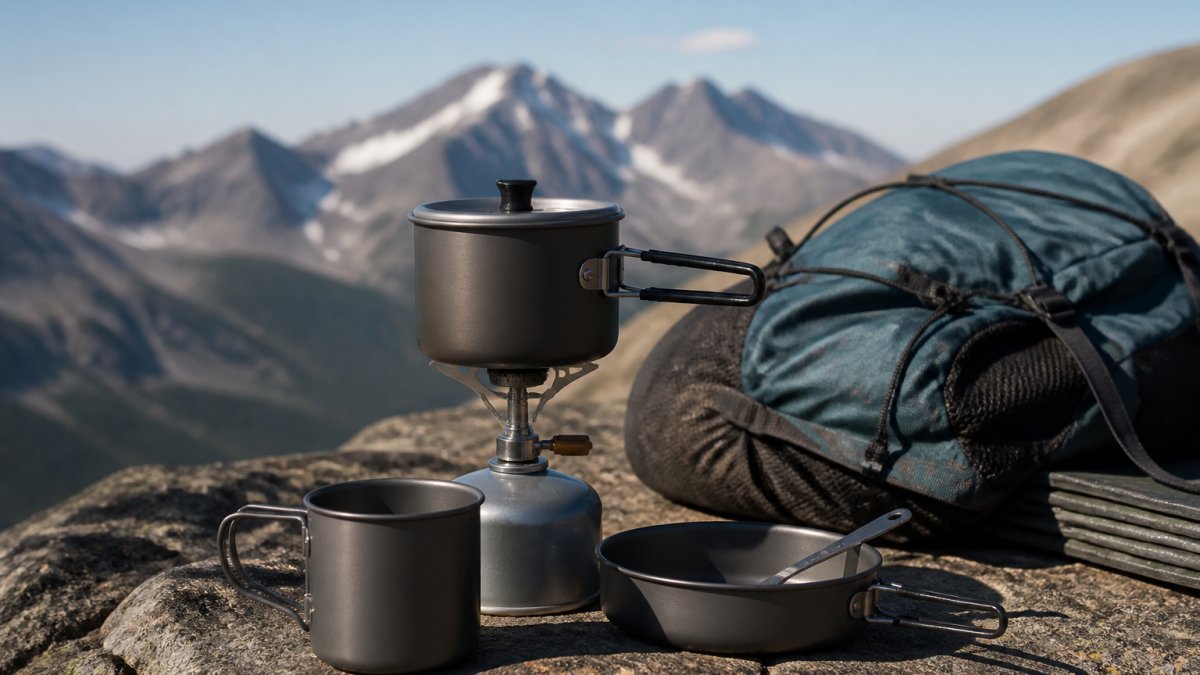
The 7pcs Camping Kitchen Utensil Set with Carrying Bag covers basic meal prep: knife, spatula, spoon, fork, scissors, cutting board, and rice shovel in stainless steel, with a compact carrying bag that fits easily in your backpack or car.
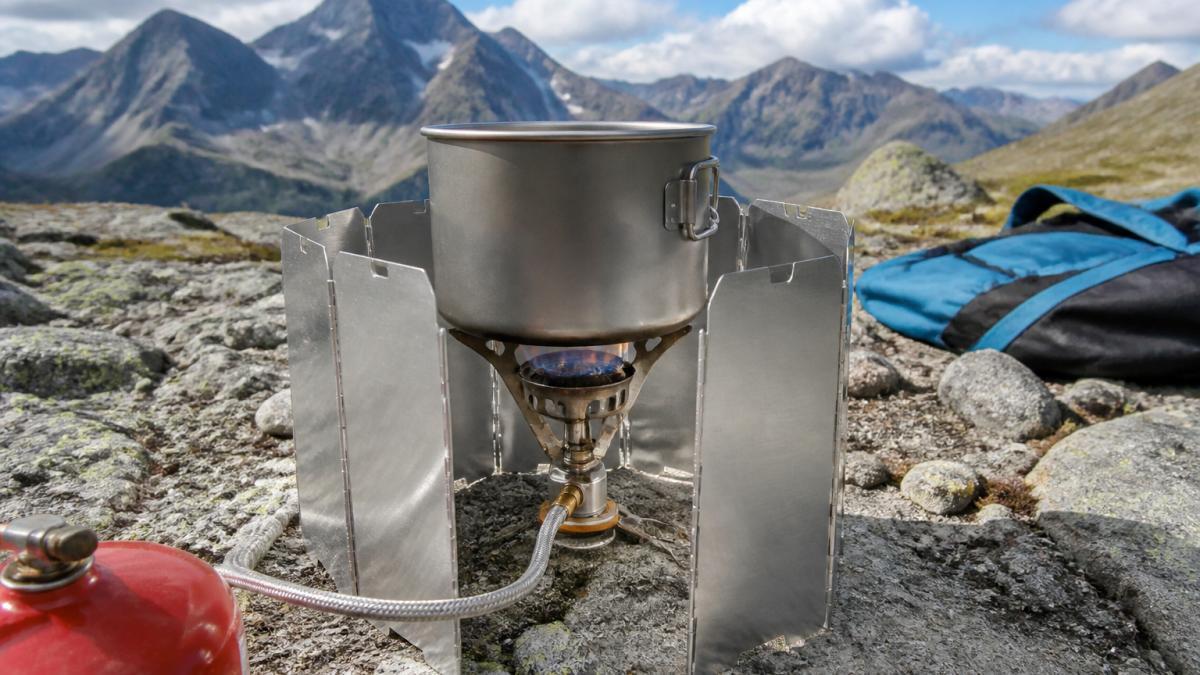
Beyond utensils, the core cooking kit is short: a two-burner camp stove with fuel, one pot with a lid, one frying pan, a lighter or waterproof matches, biodegradable dish soap, a scrubber, and a collapsible wash basin.
Pre-chop, pre-mix, and pre-measure at home. Label zip-top bags with the meal name and cooking order. You'll spend less time cooking and more time with your family, and cleanup gets dramatically easier.
First Family Camping Trip Checklist: Don't Forget These
Your first trip sets the tone for future adventures. Beyond gear, the safety and planning supplies most checklists skip separate a smooth first trip from a stressful one.
Safety and Emergency Preparedness
A first-aid kit is the floor, not the ceiling. Build a small safety plan around these items:
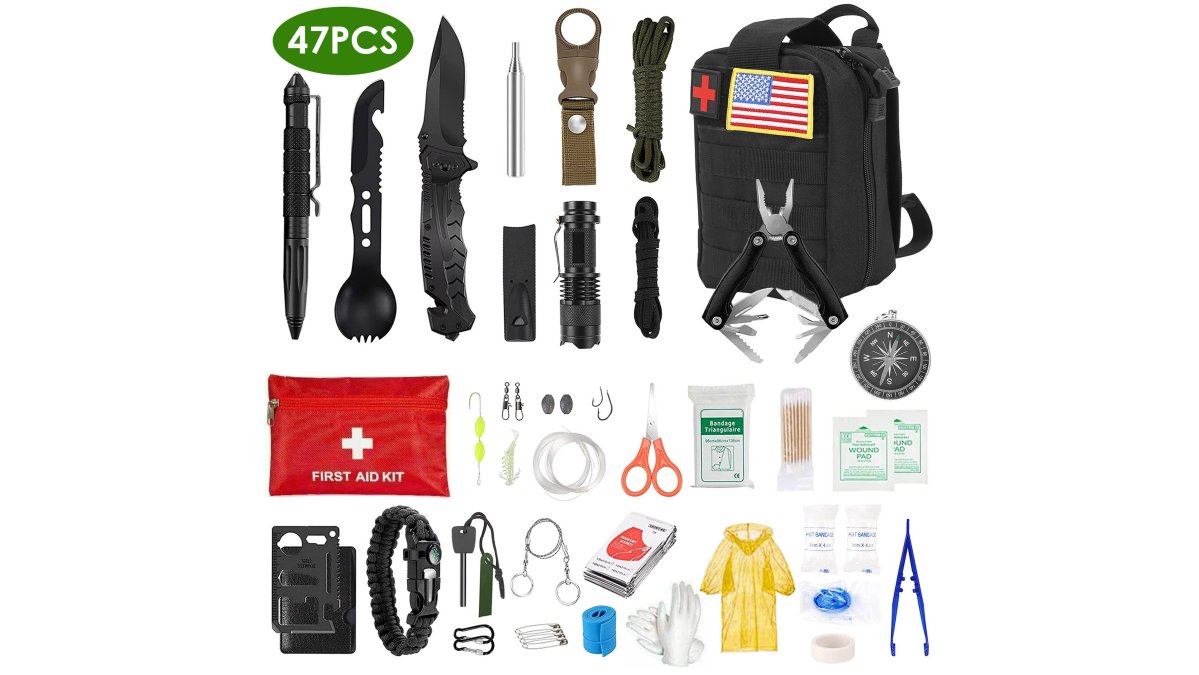
- First-aid kit: A comprehensive Emergency Survival Kit handles unexpected situations. The 47-piece kit includes first aid supplies, tools, and emergency gear in a convenient pouch. Bring it even on short trips.
- Navigation: A paper map and compass of the area, plus a downloaded offline map on your phone. Cell service is unreliable at many campsites, and a dead phone with no paper backup is a genuine safety issue.
- Emergency contacts: Write down the local ranger station or land-management office number, the nearest hospital, and two family emergency contacts. Keep a paper copy in the first-aid kit, not just in your phone.
Tell someone at home your exact itinerary: campsite name, arrival and departure dates, and vehicle description. If you don't check in by a set time, they should know to call the land-management office. This single habit is the most important safety step on any family trip.
Lighting and Bug Protection
Pack a reliable light source.
Bring a headlamp per person in addition to the tent light, hands-free light is what you'll actually use for late-night bathroom trips and cooking. Test every battery and charge every device before you leave.
Bug protection matters more than most people expect. The Stem Mosquito & Tick Repellent Spritz offers plant-based protection without harsh chemicals.
Comfort and Camp Setup Items
Bring a portable table for meal prep and dining. The Foldable Camping Table With Storage Basket assembles in minutes, holds up to 11 lbs in its under-table basket, and has a rust-resistant aluminum frame with a carrying bag.
Don't forget hygiene items: biodegradable soap, toothbrushes, toothpaste, toilet paper, hand sanitizer, wet wipes, and at least one towel per person. Store scented items with your food, not in the tent.
The Pre-Departure Walk-Through
Before you leave the driveway, run this five-minute check:
- Tent set up and seams sealed at home at least once.
- Stove lit and fuel confirmed.
- All batteries charged; headlamps and lanterns tested.
- First-aid kit stocked and medications packed.
- Itinerary shared with an emergency contact.
First trips fail on planning, not on gear. A written itinerary, a paper map, a stocked first-aid kit, and a tested stove prevent more problems than any single piece of equipment you can buy.
Preparing Your Gear and Loading the Car
Organization during packing prevents last-minute scrambles and forgotten items.
Use the Outdoor Storage Bag Large Capacity Foldable Storage Box to organize and compress gear.
Test everything at home: set up the tent in your yard, test the camp stove, charge all batteries and lights.
Arrive with time to set up before dark, rushing in fading light creates stress and mistakes.
Frequently Asked Questions
What do I absolutely need to pack for a family camping trip?
The essentials for a family camping trip include a waterproof tent (like the 4-5 Person Camping Tent at $66.00), sleeping bags and pads, warm clothing layers, a first-aid kit, food and cooking equipment, flashlights, bug repellent, and toiletries. For families, also pack children's backpacks, extra socks, and age-appropriate entertainment. The exact items depend on trip length, season, and campsite type, but these core categories cover safety, comfort, and basic needs.
How should I organize my camping packing list for kids?
Create a camping packing list for kids organized by category: clothing (moisture-wicking shirts, warm layers, extra socks, hat), personal items (toiletries, medications, comfort items), outdoor gear (water-repellent backpack like the Kids 8L at $49.99, hat, sunglasses), and safety items (whistle, first-aid supplies). For younger children, add diapers, wipes, and extra snacks. For older kids, include a headlamp and a small notebook for nature journaling. Assign each child a small backpack to carry their own essentials.
What food should I pack for a family camping trip?
Pack a family camping food list that includes breakfast items (oatmeal, granola, eggs), lunch options (sandwiches, trail mix, jerky, canned goods), dinner staples (pasta, rice, canned vegetables, proteins), and snacks (dried fruit, crackers, cheese). Bring plenty of water and electrolyte drinks. Use a cooler like the 19QT Camping Backpack Cooler ($56.90) to keep perishables cold for up to 36 hours. Store food in sealed containers to prevent wildlife access, and pack a complete cooking utensil set ($313.98) with a camp stove or fire grill for meal preparation.
What gear is most important for a first family camping trip?
For a first family camping trip checklist, prioritize: a reliable waterproof tent ($66.00), sleeping bags and pads ($92.00 combo or $46.00 pad), warm clothing and extra layers, a headlamp or camping light ($82.44), bug repellent ($73.69), a first-aid kit, and food storage. Include weather-appropriate rain gear like the Waterproof Raincoat ($36.99). Start with a car-camping trip near home so you can return if needed. Pack comfort items like pillows and familiar snacks to help children adjust. Test gear at home before the trip.
How do I pack different gear for car camping versus backpacking with kids?
For car camping, you can bring larger items: a spacious tent, full-size sleeping bags, camp chairs, a foldable table with storage ($65.99), and heavier cooking equipment. Pack a cooler with fresh food and bring comfort items freely. For backpacking with kids, prioritize lightweight gear: a compact tent, lightweight sleeping pads, moisture-wicking clothing, and a kids' water-repellent backpack ($49.99). Minimize food weight by packing dehydrated meals and trail snacks. Car camping suits younger children and beginners; backpacking works better for older, more experienced kids.
Your first family camping trip creates memories that last a lifetime. Start with the essentials, avoid overcomplicating things, and focus on spending time together outdoors. GreatAdventureSupply provides everything you need to make the experience comfortable and safe. Browse our complete camping collection and get started on your adventure today.