 listicle
Reliable Hunting Equipment for Beginners: A 2026 Guide
Table of Contents
- Why Reliable Hunting Equipment Matters for Beginners
- Essential Hunting Gear Checklist for Your First Season
- How to Choose a Beginner Hunting Rifle
- Hunting Safety Equipment for Beginners
- Footwear and Ankle Support for Long Treks
- Gear Maintenance and Longevity: Protecting Your Investment
- New vs. Used Gear: Making a Smart Budget Decision
- Conclusion
Last Updated: August 20, 2026
Why Reliable Hunting Equipment Matters for Beginners
Starting a hunting season without proper equipment is dangerous. Beginners who rush into the field with unreliable gear face equipment failures at critical moments, missed shots due to poor optics, and preventable safety risks. Reliable hunting equipment forms the foundation of a successful season, the choices you make now determine whether you return home with confidence or frustration.
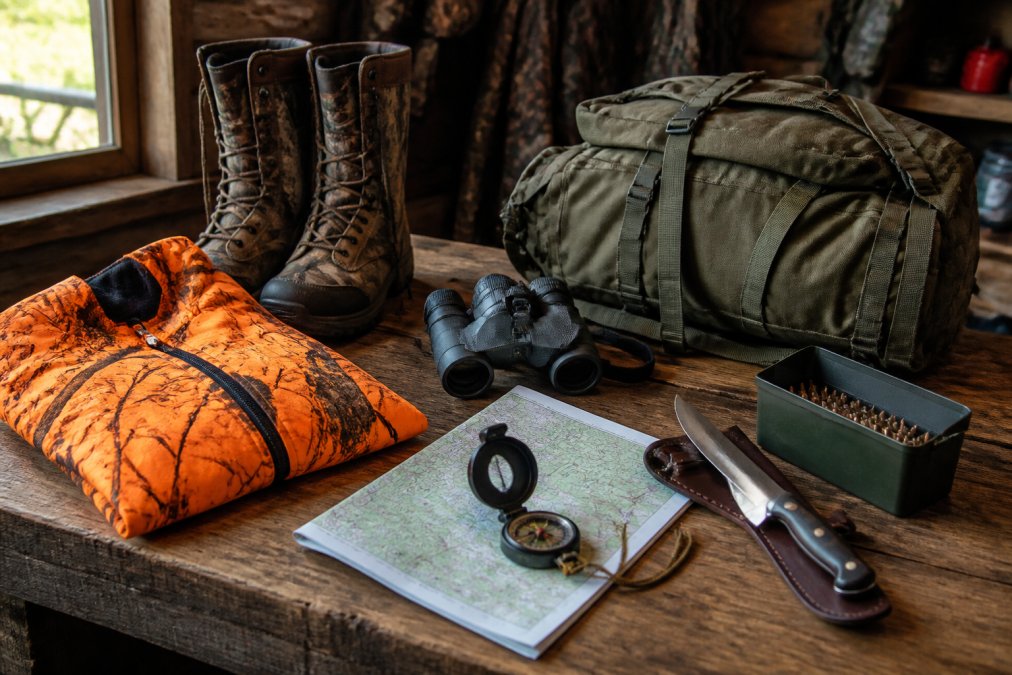
The difference between adequate gear and reliable equipment is significant. A rifle that misfires, binoculars that fog in cold weather, or boots that fail mid-trek can end your hunt before it starts. More importantly, buying cheap replacements repeatedly costs far more than investing in gear built to last from the beginning.
At GreatAdventureSupply, we simplify your shopping experience by offering everything from durable camping and survival essentials to specialized fishing, hunting, and tactical gear in one convenient place, ensuring your trips are safer, easier, and more enjoyable. This guide walks you through essential categories, shows you how to evaluate quality, and explains what separates reliable gear from the rest. You'll learn which equipment truly matters for beginners and where you can make smart budget decisions without sacrificing performance.
The National Rifle Association's beginner hunting guide emphasizes that proper equipment selection is the first step toward safe and successful hunting.
Essential Hunting Gear Checklist for Your First Season
Your first season requires a focused loadout. Rather than buying everything at once, beginners benefit from a tiered approach: start with essentials, then add specialized items as your hunting style clarifies.
A complete essential hunting gear checklist includes layered clothing, optics, navigation tools, a reliable firearm or bow, field dressing equipment, and safety gear. Each category serves a specific function, and gaps create problems in the field. The good news: you don't need premium versions of everything. Smart choices about which items deserve investment will keep your budget reasonable while maintaining reliability.
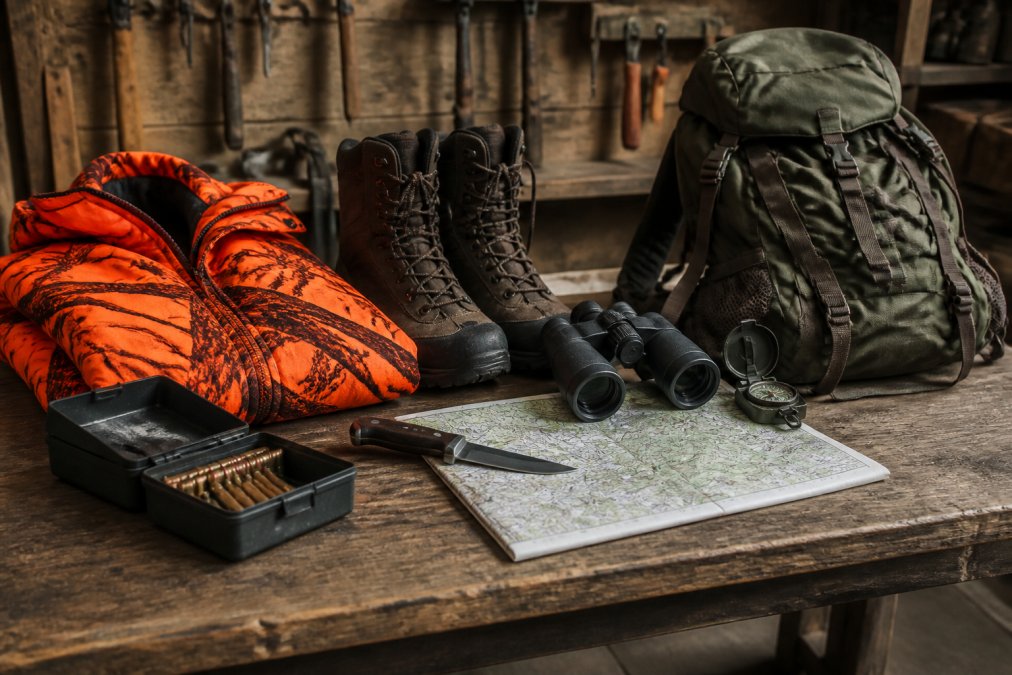
Clothing and Layering for Field Performance
Hunting demands clothing that manages moisture, provides concealment, and protects you from elements. The layering system works by moving sweat away from skin while trapping warmth: moisture-wicking base layers, insulating mid-layers, and a weather-resistant outer shell.
Most beginners wear cotton, which absorbs sweat and loses insulating properties when wet. Synthetic or merino wool base layers solve this problem. Your outer layer must be waterproof and breathable; a basic waterproof jacket often outperforms expensive technical options for early-season hunts.
Blaze orange visibility is non-negotiable. Wear blaze orange clothing during firearm seasons, this is a legal requirement in most hunting jurisdictions. A blaze orange jacket, hat, or vest makes you visible to other hunters while remaining invisible to game, which rely on different color perception than humans.
For footwear, hunting boots need ankle support, waterproofing, and proper traction. Lightweight designs reduce fatigue during long treks. Break in boots before the season starts; new boots on opening day guarantee blistered feet.
Navigation, Optics, and Field Tools
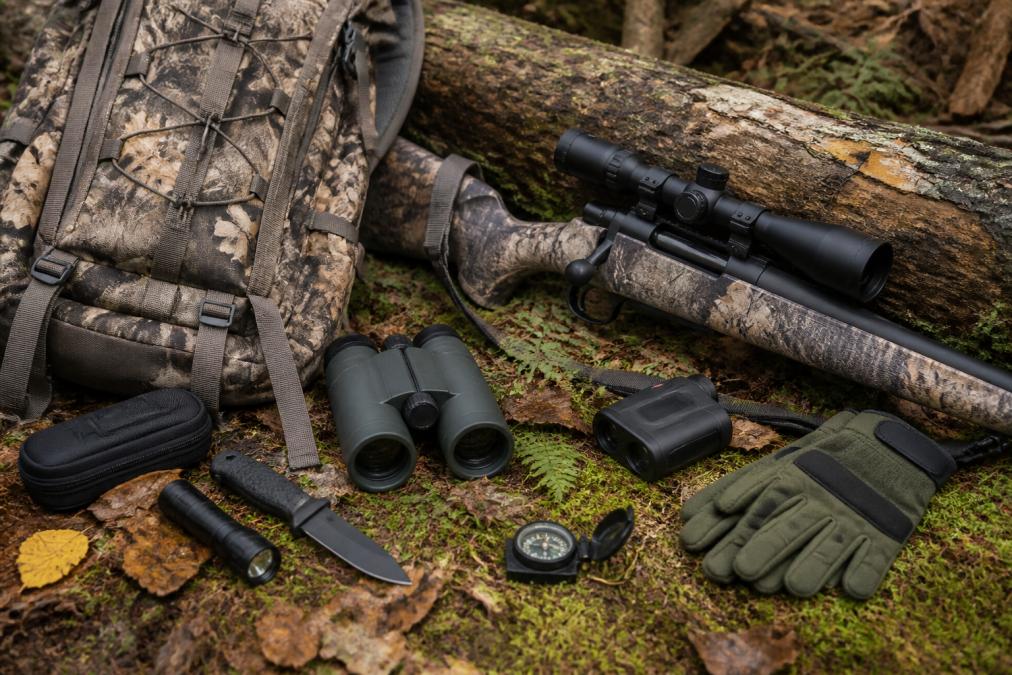
Finding your hunting spot in darkness requires reliable navigation. A compass and topographic map remain essential backups even if you carry GPS, electronics fail, batteries die, and paper maps never need charging.
Binoculars are your most important optics investment. Quality binoculars reveal details that naked eyes miss, helping you identify game at distance and assess shot placement. The Bushnell Trophy XLT (10x42mm) delivers excellent clarity and durability at a reasonable price point, with waterproof construction that handles field conditions.
A rangefinder becomes important once you're comfortable with basic hunting. These devices measure distance to your target, eliminating guesswork that leads to missed shots. For beginners, a basic rangefinder works fine.
A fixed-blade knife and kill kit handle field dressing, the process of preparing harvested game for transport. These tools must be sharp and reliable.
How to Choose a Beginner Hunting Rifle
Rifle selection intimidates many beginners because the options seem endless. The reality is more structured: beginners need a rifle that's accurate, reliable, chambered in an appropriate caliber for their game, and manageable in terms of recoil and handling.
The Remington 783 Bolt-Action Rifle exemplifies what beginners actually need. It delivers accuracy that satisfies most hunting situations, costs less than many alternatives, and comes available in popular hunting calibers.
Bolt-Action Rifles vs. Semi-Automatic Options
Bolt-action rifles dominate hunting for good reasons. Each shot requires manual action, you cycle the bolt to chamber the next round. This deliberate process encourages careful shot selection and teaches fundamental marksmanship. Bolt-actions are simpler mechanically, which means fewer things break and maintenance is straightforward. For beginners, this simplicity is invaluable.
Semi-automatic rifles fire one round per trigger pull without manual cycling. They're faster for follow-up shots but cost more, require more maintenance, and introduce unnecessary complexity for beginners learning to shoot accurately. Most importantly, semi-automatics demand regular cleaning to function reliably, a maintenance burden beginners often underestimate. Master the basics with a bolt-action first.
Caliber Selection and Recoil Management
Caliber determines how much energy your rifle delivers and what game it's suitable for. Common beginner calibers include .308 Winchester, 6.5 Creedmoor, and .30-06 Springfield.
Recoil matters more than many beginners realize. A rifle that punishes you with excessive recoil teaches bad habits: flinching, anticipating the shot, and poor follow-up accuracy. The .308 Winchester produces moderate recoil that most adults manage comfortably, while the .30-06 Springfield generates noticeably more recoil. The 6.5 Creedmoor offers a middle ground with less recoil than .308 while delivering similar energy at distance. For your first season, prioritize a caliber that lets you shoot accurately without developing a flinch.
Game selection guides caliber choice. Deer hunting works well with .308 Winchester or 6.5 Creedmoor. Larger game like elk demands .30-06 Springfield or similar. Verify your state's minimum caliber requirements before purchasing.
Accuracy Testing and Sight-In Requirements
Before your first hunt, you must sight in your rifle, adjusting the scope so your shots hit where you aim. This is non-negotiable.
Sight-in requires shooting at a range, typically at 100 yards. Fire a three-shot group, adjust your scope based on where bullets land, then fire another group. Repeat until your shots cluster in the center of your target. This process takes time; budget at least two hours and fifty rounds of ammunition.
Shot placement matters more than caliber. A well-placed shot from a smaller caliber outperforms a poorly-placed shot from a larger one. Pick a caliber suitable for your intended game, practice until you're confident at your expected hunting distance, then hunt.
Reliability Indicators for Beginner Rifles
When evaluating a rifle, look for these reliability markers: a reputation for accuracy across multiple sources, availability of ammunition in your chosen caliber, a strong warranty from the manufacturer, and positive reviews specifically mentioning field reliability.
Test-fire any used rifle before purchasing. Fire at least ten rounds and inspect the action for smooth cycling and consistent accuracy.
Hunting Safety Equipment for Beginners
Safety isn't an afterthought, it's the foundation of responsible hunting. Unsafe practices kill and injure hunters annually, and most accidents result from preventable mistakes.
Blaze Orange and Visibility Requirements
Blaze orange serves a critical purpose: it's visible to human eyes but not to game animals. Wearing blaze orange during firearm seasons is required by law in virtually every hunting jurisdiction. Many states specify minimum amounts, typically a blaze orange hat and jacket.
Don't compromise on this. Wear more blaze orange than required, not less. Accidents happen when hunters mistake other hunters for game, and blaze orange is your primary defense against this tragedy.
First Aid and Emergency Gear
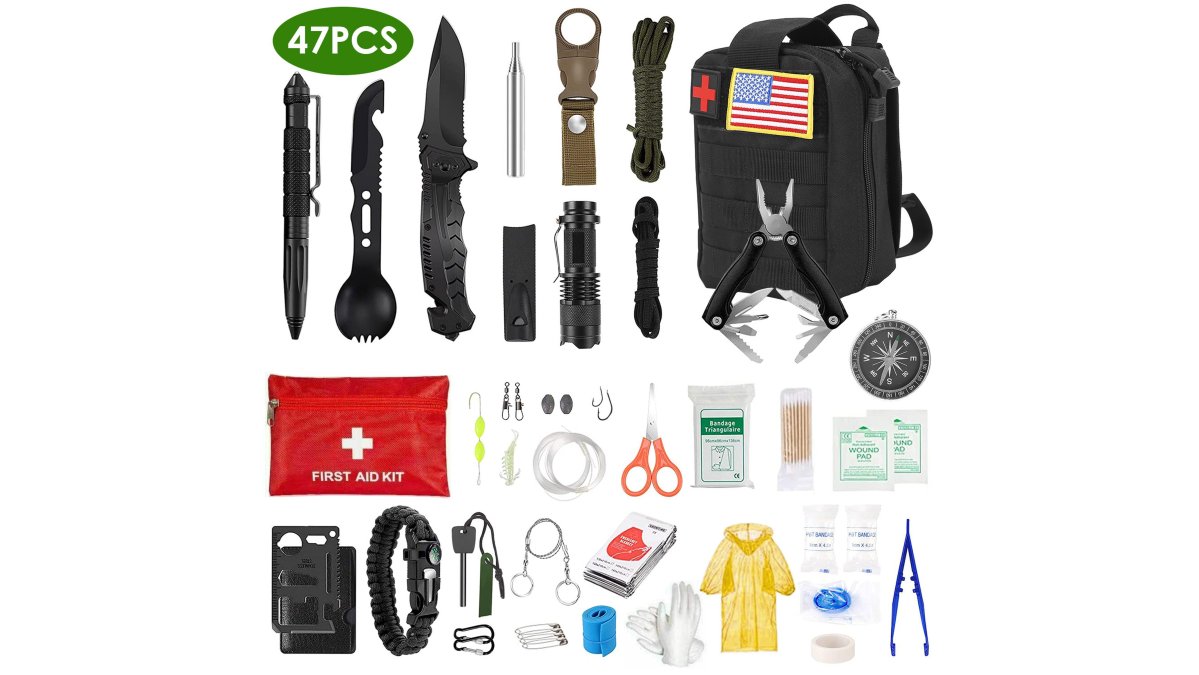
A first aid kit designed for field conditions differs from a home medicine cabinet. Your hunting first aid kit should include bandages, gauze, antiseptic, pain relievers, and materials for treating common field injuries like cuts and sprains.
Beyond basic first aid, consider carrying an emergency beacon or satellite communicator if you hunt remote areas. For most beginner hunts in accessible areas, a first aid kit and a charged mobile phone suffice.
Footwear and Ankle Support for Long Treks
Hunting often means hiking several miles to reach your spot, sometimes in darkness before dawn. Poor footwear turns this into misery or injury.
Hunting boots need ankle support that prevents rolling on uneven terrain, waterproofing that keeps moisture out, and traction that grips various surfaces. The Irish Setter Men's Vaprtrek 2870 Hunting Boots combine these qualities with lightweight design that reduces fatigue during long days afield.
Break in boots gradually before the season. Wear them on short hikes, then progressively longer outings. New boots on opening day guarantee blistered feet. Proper break-in takes weeks, so start early.
Gear Maintenance and Longevity: Protecting Your Investment
Reliable hunting equipment requires maintenance. Neglect your gear and it fails when you need it most. Proper care extends equipment life and ensures reliability season after season.
Firearms: Cleaning, Storage, and Corrosion Prevention
Firearms demand the most attention because failures are catastrophic. After every hunt, clean your rifle, removing fouling and moisture that cause rust and corrosion.
Clean your rifle within 24 hours of hunting. Use a cleaning rod with patches and bore solvent to remove fouling from the barrel. Wipe down the action and exterior with an oily cloth. Pay special attention to the bolt face and firing pin, these areas trap moisture and corrode quickly.
Store firearms in a cool, dry location away from humidity. A gun safe protects against theft and accidents while maintaining proper conditions. If you live in a humid climate, place desiccant packs inside the safe; they absorb moisture that would otherwise corrode your rifle.
Inspect your rifle monthly during off-season storage. Cycle the bolt, check for rust, and wipe down with an oily cloth.
Ammunition Storage and Inspection
Ammunition requires dry storage. The Plano 1612 Rustrictor Field/Ammo Box uses Vapor Corrosion Inhibitor technology to protect ammunition from moisture and rust.
Inspect ammunition before hunting. Look for green or white corrosion on brass casings, which indicates moisture damage. Corroded ammunition may misfire or produce inconsistent velocity. Discard corroded rounds rather than risk failure in the field.
Rotate ammunition stock. Ammunition stored properly lasts decades, but older ammunition should be used first.
Optics and Binoculars: Lens Care and Moisture Prevention
Optics and binoculars need lens protection. Store them in cases, clean lenses with proper lens cloth, and avoid touching glass surfaces with bare fingers.
Moisture inside optics causes permanent damage. Fog inside a scope or binocular indicates internal moisture; this cannot be repaired and requires replacement. Prevent this by storing optics with desiccant packs in humid climates.
Clean external lenses before each hunt using a soft brush to remove dust, then lens cloth with lens cleaner. Never use paper towels or your shirt; these scratch glass.
Clothing and Footwear: Extending Waterproofing and Support
Clothing requires minimal maintenance, but proper care extends life. Wash hunting clothes in unscented detergent and store in a dry location.
Boots need occasional cleaning and conditioning to maintain waterproofing. Clean boots after muddy hunts, dry them at room temperature, and apply boot conditioner annually. Proper care prevents leather cracking and maintains the waterproof seal.
Inspect boots for damage before each season. Check for cracks in leather, separation at seams, and worn heel treads. A boot repair shop can resole boots, extending life significantly.
Seasonal Maintenance Checklist
Before each season, perform a full maintenance check: clean and inspect your rifle, test-fire to verify accuracy, check ammunition for corrosion, clean binoculars and check for internal moisture, inspect boots for damage, and verify all safety equipment is functional. This 30-minute investment prevents field failures.
New vs. Used Gear: Making a Smart Budget Decision
Budget constraints often guide beginner purchases. Understanding when to buy new versus used gear prevents costly mistakes.
New gear comes with warranties and known condition. If you're uncertain about reliability, buy new; the warranty protects your investment. Used gear costs less but carries uncertainty.
The smart approach: buy new for critical items (firearm, boots, safety equipment) and consider used for accessories (packs, minor tools, some clothing). This balances budget and reliability.
GreatAdventureSupply offers new equipment and guidance on selecting reliable gear that fits your budget. Our curated collections focus on items that actually perform in field conditions.
Building reliable hunting equipment for beginners requires understanding which items deserve investment and where smart choices matter. The foundation, a quality rifle, proper clothing, reliable optics, and appropriate footwear, determines whether your season succeeds. Start with essentials, maintain your gear properly, and upgrade based on what you learn in the field. Visit GreatAdventureSupply to explore our curated collections of hunting equipment selected for performance and durability in real-world conditions.
| Equipment Category | Essential for Beginners | Budget Consideration | Maintenance Priority |
|---|---|---|---|
| Rifle/Bow | Yes | Invest in reliability | High, clean after each use |
| Blaze Orange | Yes | Minimal cost | Medium, inspect for damage |
| Boots | Yes | Quality matters | High, condition leather regularly |
| Binoculars | Yes | Mid-range sufficient | Medium, protect lenses |
| First Aid Kit | Yes | Low cost | Low, check expiration dates |
| Field Dressing Kit | Yes | Low-moderate | Medium, keep knives sharp |
| Ammunition Storage | Yes | Low cost | Medium, check for corrosion |
| Navigation Tools | Yes | Minimal cost | Low, map doesn't require maintenance |
Field & Stream's hunting safety fundamentals emphasize that proper equipment and safety practices work together. Investing in reliable gear isn't just about comfort, it's about making responsible choices that keep you and others safe in the field.
Frequently Asked Questions
What is the best hunting gun for a beginner?
A bolt-action rifle in .308 Winchester or 6.5 Creedmoor is ideal for most beginners. These calibers offer good accuracy, reasonable recoil, and proven reliability for big game. The Remington 783 is a popular choice because it's affordable, accurate, and available in common hunting calibers. If you prefer archery, a compound bow with adjustable draw weight and length lets you grow into the sport without buying new equipment.
What gear do I need for my first deer hunt?
Start with an essential hunting gear checklist that includes blaze orange clothing (jacket and hat), waterproof boots with ankle support, binoculars for spotting game, a compass or GPS for navigation, a fixed-blade knife for field dressing, a first aid kit, a headlamp, and weather-resistant layers. Add a rangefinder if using a rifle, or a release aid if bowhunting. Store ammunition and small items in a water-resistant box to keep everything organized and protected.
What are the most important safety items for new hunters?
Hunting safety equipment for beginners must include blaze orange clothing that's visible from all angles, this is legally required in most states and prevents accidental shootings. Carry a first aid kit with bandages, tourniquets, and pain relief. Wear ear protection to prevent hearing damage from firearm noise. Practice firearm safety by always treating your gun as loaded, keeping your finger off the trigger until ready to shoot, and being certain of your target and what's beyond it.
Is it better to buy cheap or expensive hunting gear as a beginner?
Mid-range reliable equipment outlasts budget gear and costs less than premium brands. Invest in safety items (blaze orange, first aid) and firearms, these directly affect your success and safety. For clothing and backpacks, choose durable, weather-resistant options that will survive multiple seasons. Used gear from reputable brands often provides better value than new budget equipment. Avoid the cheapest options, which may fail in the field, but premium brands aren't necessary when starting out.
How do I maintain hunting equipment so it lasts longer?
Clean and dry your firearm after each use to prevent rust and corrosion. Store ammunition and sensitive gear in water-resistant boxes with vapor corrosion inhibitors. Check clothing for tears and repair them promptly. Oil leather boots and inspect soles for wear. Keep optics clean with lens cloth and protect them from impact. Proper maintenance extends gear life by years and ensures reliable performance when you need it most in the field.
This article was written using GrandRanker