 listicle
Durable Outdoor Gear for Families: Complete 2026 Guide
Table of Contents
- Why Durable Outdoor Gear for Families Matters
- Family-Sized Tents and Shelters Built to Last
- Sleeping Systems and Bedding That Perform Across Seasons
- Best Family Camping Gear for Toddlers and Young Children
- Backpacks, Hydration, and Portable Essentials
- How to Maintain Outdoor Camping Equipment for Years of Use
- Gear Selection Criteria: What Makes Equipment Actually Durable
- Conclusion
Last Updated: August 7, 2026
Why Durable Outdoor Gear for Families Matters
Families who camp regularly know the difference between gear that survives one season and equipment that lasts through years of use. Durable outdoor gear for families isn't just about comfort, it's about reliability when you're miles from help, cost-effectiveness over time, and confidence that your equipment will perform in challenging conditions.
The real cost of outdoor gear isn't what you pay upfront. It's what you pay when budget equipment fails mid-trip, when zippers break, when waterproofing fails, or when you're forced to replace items after just a few uses. Families investing in durable outdoor gear reduce replacement costs, minimize frustration, and create equipment that can be passed down or resold.
At GreatAdventureSupply, we understand that families need gear engineered for real-world conditions. Our curated collections focus on equipment built with reinforced stitching, weather-resistant materials, and thoughtful design that handles the chaos of family camping: muddy kids, unexpected rain, rough handling, and the constant pressure of multi-day trips.
This guide covers what makes outdoor gear durable, which equipment delivers on that promise, and how to maintain your investment so it performs for years.
Family-Sized Tents and Shelters Built to Last
A family tent is your shelter in unpredictable conditions, so durability isn't optional. The best family tents combine weather resistance, reinforced construction, and thoughtful ventilation that prevents condensation damage over time.
Look for tents with ripstop fabric and reinforced stitching at stress points. These features prevent small tears from becoming catastrophic failures. The groundsheet should be a separate, durable layer that protects the main fabric from abrasion and moisture. A quality groundsheet footprint extends tent life significantly.
Ventilation systems matter more than many families realize. Tents that trap condensation develop mold, degrade seals, and create musty smells that signal material breakdown. Modern family tents include multiple vents positioned to create airflow without sacrificing weather protection.
The North Face Wawona 6 Tent exemplifies family-focused durability. Its large interior accommodates six people comfortably, while the spacious vestibule stores gear without cluttering sleeping space. The tent uses modern fabrics engineered for weather resistance and includes improved ventilation systems that manage moisture. Setup is intuitive, important when you're tired after a long drive and managing kids. The higher price point reflects construction quality designed to provide years of service through multiple camping seasons.
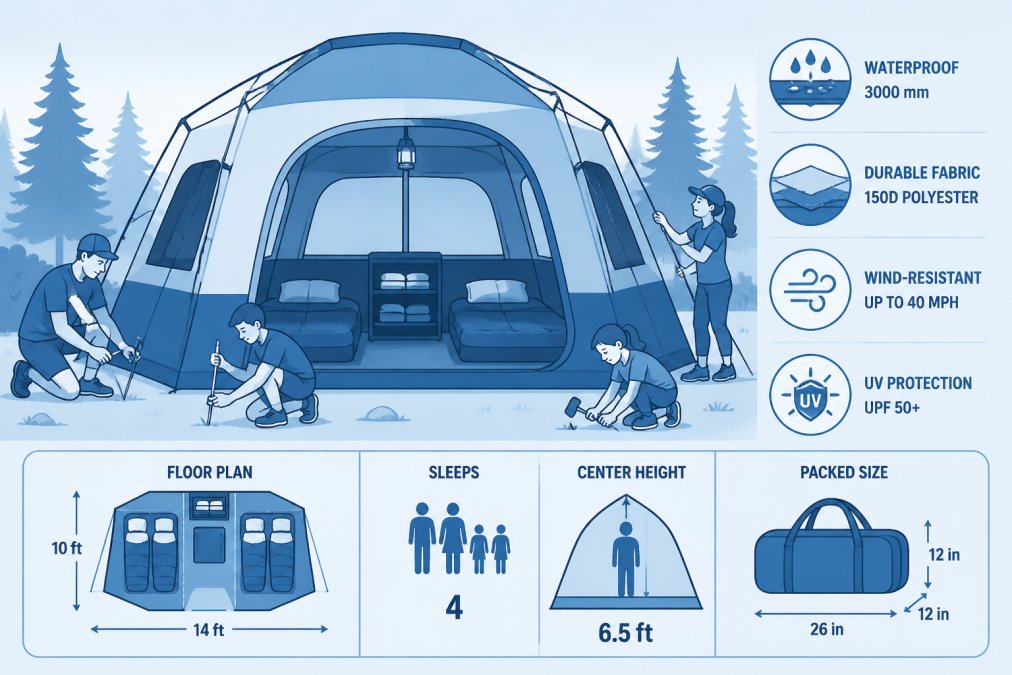
When evaluating family tents, check for stitching quality at seams, fabric denier (higher denier means thicker, more durable material), and whether the manufacturer provides repair kits or replacement parts.
Sleeping Systems and Bedding That Perform Across Seasons
Sleeping comfort directly impacts trip success, but durability of sleeping systems determines whether your investment lasts through multiple seasons. Quality sleeping bags and pads combine insulation performance with materials engineered to withstand repeated compression, moisture exposure, and temperature extremes.
The REI Co-op Kindercone 25 Sleeping Bag addresses family needs directly with adjustable length that grows with your child. Synthetic insulation rated for 25°F provides genuine warmth across three seasons, while the water-resistant recycled polyester shell protects against moisture. For families, three-season bags (rated 20-30°F) provide flexibility for spring, summer, and fall camping while remaining lighter and more packable than winter-rated bags.
Sleeping pad durability depends on material and construction. Pads with reinforced seams and multiple air chambers resist punctures and maintain insulation properties longer. The R-value indicates insulation; higher R-values (3.0+) provide better ground insulation. Durable pads maintain their R-value across years of use.
The YETI Lowlands Blanket represents durability-focused design: completely waterproof construction means it performs whether you're on damp ground or wet grass. The padded, insulated materials provide comfort on any terrain while repelling dirt, burrs, and pet hair. Machine washability extends life by preventing permanent staining and material degradation.
Best Family Camping Gear for Toddlers and Young Children
Gear designed specifically for young children balances durability with age-appropriate sizing and safety. Children's outdoor equipment endures harder use than adult gear, so construction quality matters even more.
The Deuter Schmusebär Kids' Backpack delivers adjustable design that grows with the child, extending usability across multiple years. Creative, reflective designs add visibility on trails. The ample storage capacity handles essentials for day hikes without overwhelming small shoulders.
For serious backpacking with older children and teens, the Osprey Ace 38L Kids' Backpacking Backpack offers premium durability. Highly adjustable architecture adapts to different body sizes and shapes, providing comfort across several seasons of growth. The pack handles heavier loads without compromising comfort or ventilation.
The Klean Kanteen Kid Kanteen Insulated Water Bottle combines durability with safety: stainless steel construction resists dents and damage, while the insulated design keeps drinks cold for hours. Toxin-free materials and exceptional durability mean this bottle outlasts plastic alternatives by years.
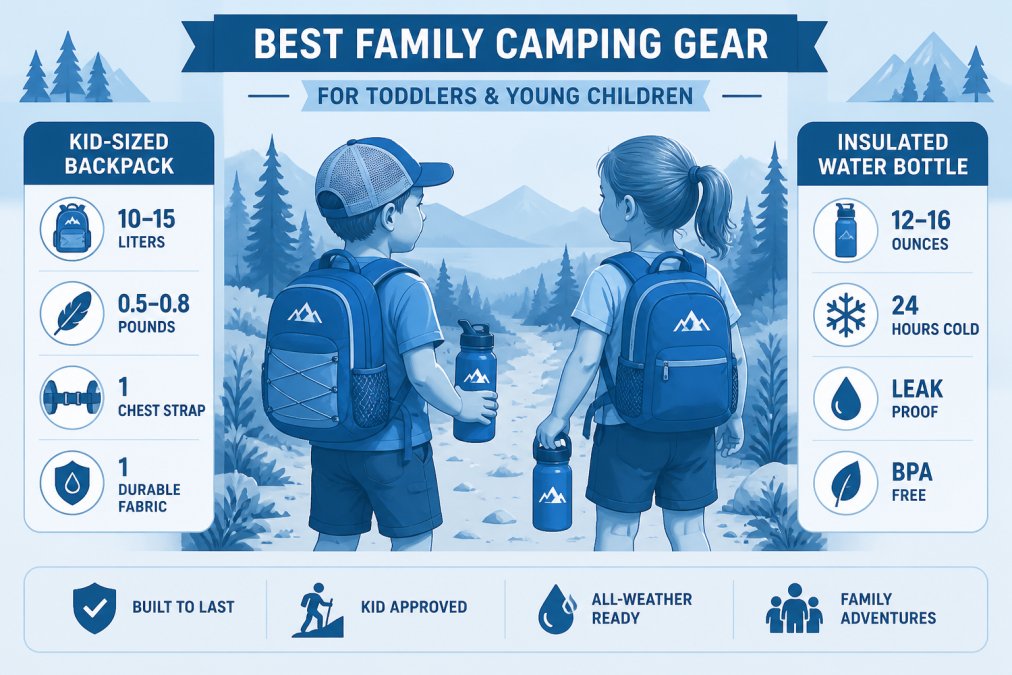
Children's gear often becomes hand-me-downs or is passed to younger siblings. Designing for durability means your investment serves multiple children, making the per-child cost quite reasonable despite higher upfront prices.
Backpacks, Hydration, and Portable Essentials
Family camping requires carrying everything you need, which means backpacks and portable systems must balance capacity with durability. Gear that fails mid-trip creates safety risks and ruins the experience.
Day packs (20-30L) work for short hikes and local exploration. Multi-day packs (40-60L) accommodate gear for extended trips. The best family backpacks include weather-resistant materials, multiple compartments for organization, and ergonomic designs that distribute weight comfortably. Look for packs with reinforced stitching at attachment points and quality zippers that operate smoothly after years of use.
Hydration systems must perform reliably because dehydration is a genuine risk on outdoor trips. Water bottles with insulation maintain temperature across hours, encouraging kids to drink more. Durable bottles resist dents, maintain their seal over time, and don't develop cracks from temperature swings.
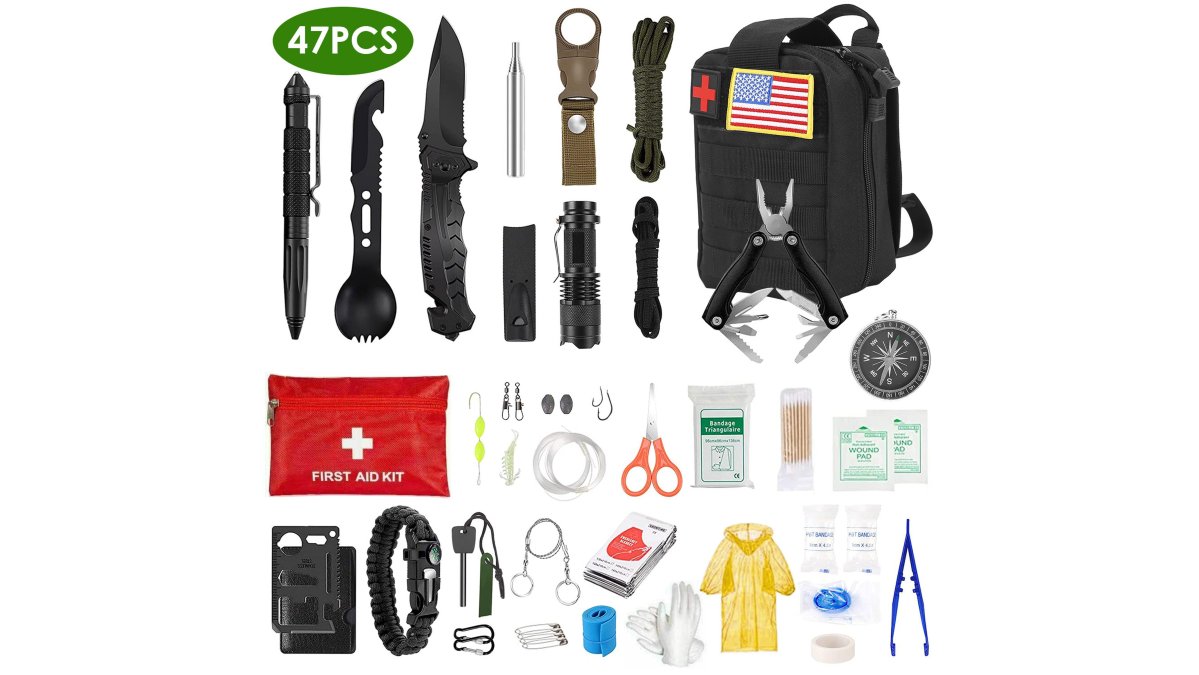
Portable essentials, first aid kits, repair tools, emergency supplies, need to stay organized and accessible. Durable gear storage systems use water-resistant materials and quality zippers to keep contents protected. Dry bags and waterproof pouches prevent gear from getting damaged by moisture.
| Gear Type | Durability Priority | Best Material | Maintenance Need |
|---|---|---|---|
| Backpack | Stitching, zippers, straps | Ripstop nylon with reinforcement | Spot-clean, air dry |
| Water bottle | Seal integrity, dent resistance | Stainless steel or BPA-free plastic | Rinse after each use |
| Dry bag | Waterproof seal, puncture resistance | Laminated fabric or silicone-coated material | Air dry completely |
| Repair kit | Organization, corrosion resistance | Metal or hard plastic case | Store in dry location |
How to Maintain Outdoor Camping Equipment for Years of Use
Durability depends partly on construction, but maintenance determines how long gear actually lasts. Families that invest in quality equipment and maintain it properly see their gear perform for decades.
Clean gear after each trip. Dirt, salt, and organic material break down fabrics and create conditions for mold growth. Rinse tents with fresh water, allow them to dry completely before storage, and inspect for damage. Sleeping bags should be aired out after trips and stored loosely; compressed storage degrades insulation over time.
Inspect gear regularly for damage. Small tears in fabric can be patched before they become catastrophic failures. Zippers that stick can be cleaned and treated with lubricant. Seams showing stress can be reinforced with seam sealer before they fail.
Store gear properly. Tents should be stored with poles removed and fly partially attached to prevent stress on stitching. Sleeping bags need loose storage in breathable bags, never compressed in stuff sacks long-term. Backpacks should be stored in cool, dry locations away from direct sunlight.
Gear Selection Criteria: What Makes Equipment Actually Durable
Understanding what creates durability helps you make better purchasing decisions. Durable outdoor gear for families shares specific characteristics that distinguish it from cheaper alternatives.
Fabric Quality and Construction: Denier measurement indicates fabric thickness; higher denier (1000D+) means thicker, more durable material. Ripstop fabric includes a reinforced grid pattern that prevents tears from spreading. Look for tents and backpacks with reinforced stitching at stress points: corners, attachment points, and seam intersections.
Weather Resistance: Waterproof materials protect against moisture damage. Breathable fabrics allow moisture vapor to escape, preventing condensation buildup that degrades materials over time. Seam sealing, waterproof tape applied to seams, prevents water from entering at stitch holes.
Hardware Quality: Zippers, buckles, and attachment points determine durability. YKK zippers are industry standard for reliability. Metal hardware resists corrosion better than plastic. Check that attachment points use reinforced stitching and quality hardware rated for outdoor use.
UV Protection: Materials that resist UV degradation maintain their properties longer. Durable outdoor gear includes UV-resistant treatments or uses materials engineered to resist fading and breakdown.
Repairability: Gear that can be repaired lasts longer than gear designed for replacement. Look for equipment with available replacement parts, repair documentation, and manufacturer support.
Multi-Season Capability: Equipment rated for multiple seasons performs better than single-season gear. Three-season tents, sleeping bags rated for 15-25°F, and clothing layers that work across temperature ranges extend usability.
| Durability Factor | Why It Matters | What to Look For |
|---|---|---|
| Fabric denier | Higher denier = thicker, more durable material | 1000D+ for tents and backpacks |
| Reinforced stitching | Prevents seam failure under stress | Double-stitched at attachment points |
| Sealed seams | Keeps moisture out of stitch holes | Waterproof tape applied to all seams |
| Quality zippers | Smooth operation over years of use | YKK or equivalent brand zippers |
| Repairability | Enables fixes instead of replacement | Available parts and repair documentation |
| UV resistance | Prevents material degradation from sunlight | Protective treatments or resistant materials |
Durable outdoor gear for families represents a commitment to reliability and long-term value. The equipment you choose determines whether trips feel safe and enjoyable or stressful and uncertain. By understanding what creates durability, material quality, thoughtful construction, weather resistance, and maintainability, you can make purchasing decisions that serve your family across years of adventures.
GreatAdventureSupply specializes in curating outdoor gear collections specifically selected for performance, comfort, and reliability in real-world conditions. Our team evaluates equipment based on durability criteria that matter for family camping: reinforced construction, weather resistance, ease of maintenance, and longevity. When you shop at GreatAdventureSupply, you're choosing from gear tested for the conditions families actually face. Explore our collections of family-sized tents, sleeping systems, children's equipment, and portable essentials, all selected to make your trips safer, easier, and more enjoyable. Add durable gear to your cart and start planning your next adventure with confidence.
Frequently Asked Questions
What are the essential items for family camping trips?
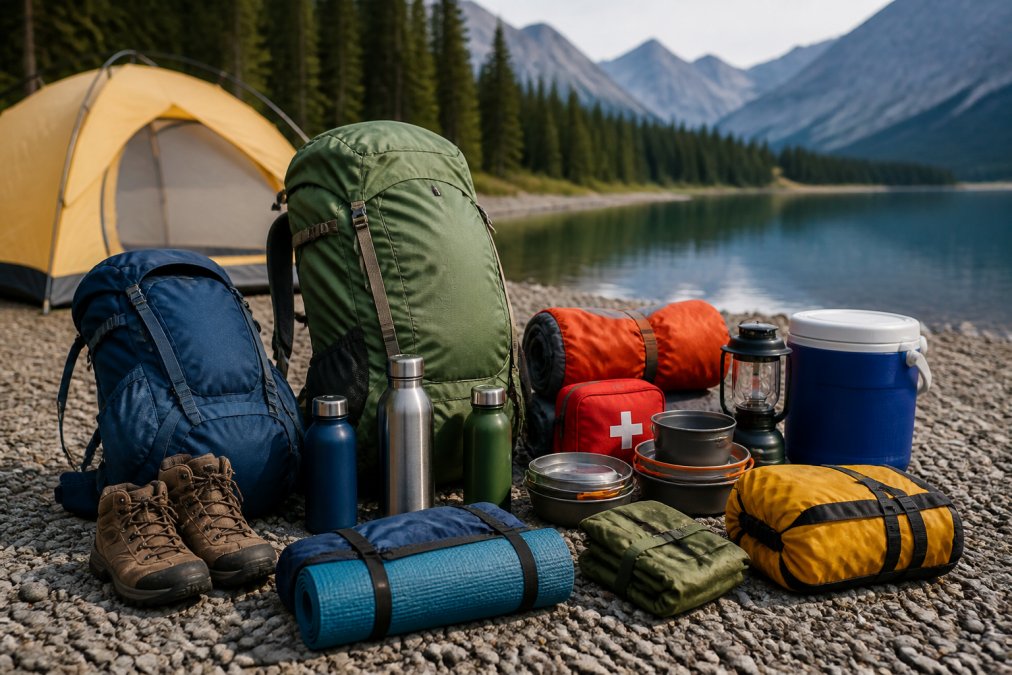
Essential family camping gear includes a weather-resistant tent with adequate space, insulated sleeping bags rated for your season, sleeping pads with proper R-value for ground insulation, a reliable camp kitchen setup, waterproof clothing layers, headlamps or lanterns, and a first-aid kit. Start with these foundations, then add specialized gear based on your trip duration and climate. Quality in these core items directly affects your family's comfort and safety.
How do I choose durable camping gear that will last for multiple seasons?
Look for gear with reinforced stitching, ripstop fabric construction, and high denier ratings (higher denier means greater durability). Check product materials: waterproof polyester shells, breathable inner linings, and UV-resistant coatings protect against wear. Read customer reviews focused on longevity, not just initial performance. Invest in established brands known for field-tested durability. Proper maintenance after each trip significantly extends gear lifespan, clean, dry, and store items correctly to prevent mold and material degradation.
How do you maintain outdoor gear to make it last longer?
After each trip, clean gear with fresh water and mild soap, then air-dry completely before storage. Store tents and sleeping bags loosely (not compressed) in cool, dry places away from direct sunlight. Inspect zippers, seams, and fabric regularly for damage and repair small issues immediately with appropriate patches or seam sealant. Apply waterproofing treatments annually to tents and backpacks. Store sleeping pads flat or loosely rolled. Keep gear away from extreme heat, chemicals, and pests. Proper care prevents costly replacements and maintains performance for years.
Is it worth investing in expensive outdoor gear for families?
Yes, when durability is your priority. Quality gear costs more upfront but lasts through multiple seasons and handles real-world conditions without failure. Cheap gear often fails mid-trip, requiring emergency replacements and creating safety risks. Premium equipment with reinforced construction, better materials, and proven durability offers better value over time. Start with essential items from trusted brands, then expand your collection. Consider your trip frequency, frequent campers benefit most from higher-quality investments.
What should I look for when buying family-sized tents?
Prioritize weather resistance with a waterproof rainfly and sealed seams. Check setup time, families need quick, intuitive assembly. Look for ventilation systems to reduce condensation. Verify interior space: measure sleeping area width and height to ensure comfort for your family size. Inspect zipper quality (heavy-duty zippers resist failure). Check for storage vestibules to keep gear organized. Confirm weight and packability if you'll transport it frequently. Read reviews from families who've used the tent in varied conditions, not just fair-weather camping.
This article was written using GrandRanker