 listicle
Best Tactical Gear for Remote Exploration
Table of Contents
- Essential Tactical Backpacks and Storage Solutions
- How to Pack a Tactical Survival Kit
- Tactical Navigation Tools for Remote Areas
- Hydration Systems and Water Purification for Field Operations
- Durable Tactical Footwear and Apparel
- Maintaining Tactical Gear in Harsh Environments
- Comparison Table: Top Tactical Gear Picks
- Which Tactical Gear Should You Choose?
Last Updated: August 15, 2026
Essential Tactical Backpacks and Storage Solutions
The right backpack is the foundation of any remote exploration mission. It must distribute weight efficiently, stay accessible in the field, and withstand punishment from rocks, branches, and weather. A tactical backpack designed for remote exploration prioritizes modular organization, load distribution, and durability over lightweight minimalism.
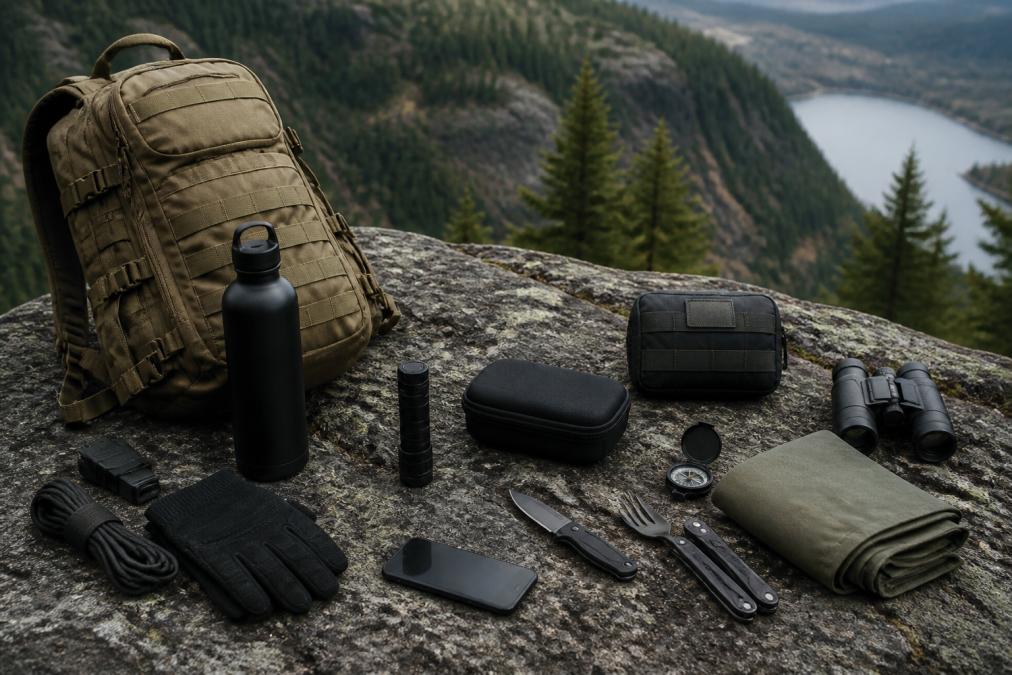
Look for MOLLE webbing compatibility, which allows you to attach and rearrange pouches as your mission requirements change. This modular approach means you're not locked into a fixed internal layout. You can add trauma medical supplies to one side, attach navigation tools to another, and adjust your configuration based on terrain and duration.
Capacity matters, but proper weight distribution matters more. A 50-liter pack might seem ideal for week-long trips, but if it doesn't distribute weight properly across your hips and shoulders, you'll feel every ounce by day three. Look for ergonomic design that includes a padded hip belt, load lifter straps, and a sternum strap. These features transfer weight from your shoulders to your core, reducing fatigue and improving stability on uneven terrain.
Durable construction separates tactical packs from casual alternatives. Ripstop nylon resists tears from sharp objects, while water-resistant coatings protect your gear from rain and stream crossings. Reinforce stress points where straps attach to the main bag with bar-tacking or webbing. GreatAdventureSupply carries packs engineered for this kind of abuse, with materials tested in actual field conditions rather than lab settings.
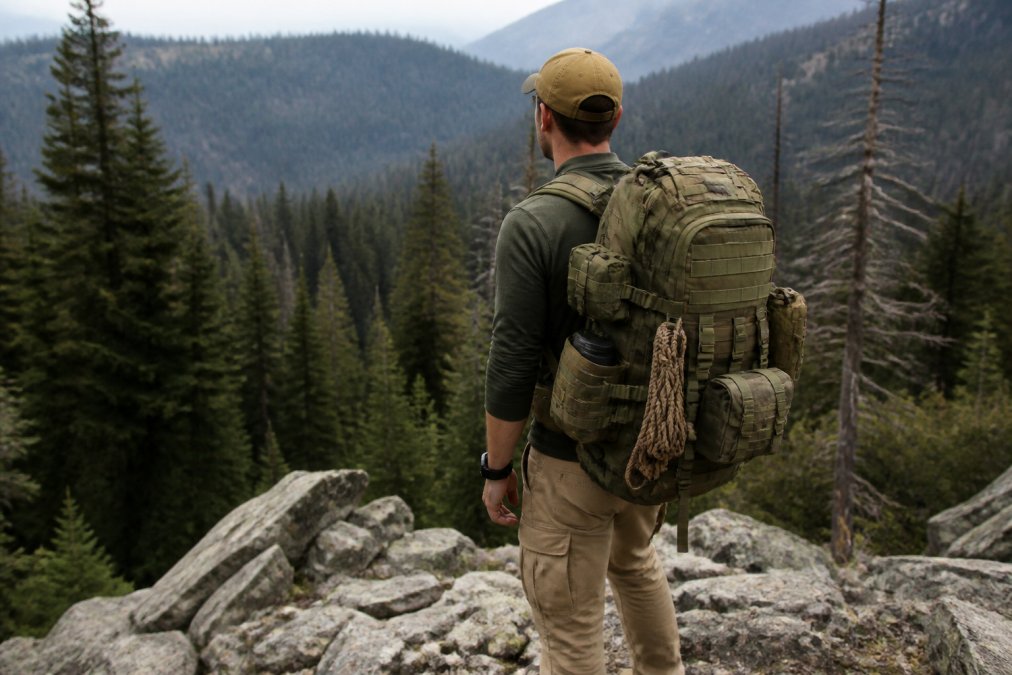
Consider your specific use case. Solo expeditions benefit from 40-50 liter packs that balance capacity with mobility. For remote exploration lasting multiple days, ensure your pack includes internal organization pockets, compression straps to stabilize your load, and a rain cover or waterproof liner.
How to Pack a Tactical Survival Kit
Packing a tactical survival kit isn't about throwing every possible item into your pack. It's about selecting tools that address your most likely challenges while staying within realistic weight constraints.
Start with your environment. A week in dense forest requires different priorities than a desert plateau. Forest expeditions demand reliable water purification and shelter materials. Desert trips need sun protection, extra water capacity, and navigation tools to prevent getting turned around in featureless terrain.
Build your kit around core survival priorities: shelter, water, fire, navigation, and first aid. For shelter, include a lightweight emergency bivy or thermal tarp that packs small but provides protection from wind and precipitation. For water, carry a field-ready water filter that removes bacteria and protozoa without requiring electricity. Fire-starting materials should include multiple methods: waterproof matches, a lighter, and ferro rod, since any single method can fail when wet.
Navigation tools form the backbone of remote exploration confidence. Include a topographic map of your area, a compass, and consider a GPS device with satellite messaging capability. The Garmin GPSMAP 67i combines navigation with two-way messaging and SOS functionality, offering peace of mind when you're beyond cell coverage.
Your trauma medical kit should be mission-specific, not a generic first aid box. Include tourniquets, hemostatic gauze, and pressure bandages for serious bleeding. Add blister treatment, pain relievers, and anti-diarrheal medication for common field issues. Organize your survival kit using small pouches to group related items, so you can access them quickly without dumping your entire pack.
Tactical Navigation Tools for Remote Areas
Navigation failures in remote areas don't happen because explorers lack maps. They happen because explorers rely on a single navigation tool and that tool fails, battery dies, screen breaks, or visibility prevents using landmarks. The best tactical gear for remote exploration includes redundant navigation systems.
Your primary navigation tool should be a quality GPS device with satellite communication. The Garmin GPSMAP 67i delivers accuracy across challenging terrain with multi-band GNSS support, which improves positioning under tree cover and in canyons where standard GPS struggles. Its 180-hour battery life means you can navigate for a full week without recharging. The integrated InReach satellite technology lets you send messages and trigger SOS alerts when you're completely cut off from civilization.
Backup navigation requires paper maps and a compass, tools that never need batteries. Learn to orient your map using terrain features and your compass before you need to navigate in fog or darkness. Waterproof map cases protect your paper charts from stream crossings and rain.
Field-ready navigation also means knowing your device's limitations. GPS accuracy varies from 5 to 30 feet depending on satellite coverage. Compass readings can be affected by magnetic rocks and metal equipment. Maps become outdated as trails erode. Combine these tools with terrain observation skills, the ability to read the landscape itself and understand how it relates to your planned route.
Hydration Systems and Water Purification for Field Operations
Dehydration degrades decision-making faster than hunger or cold. Remote exploration demands reliable access to clean water, which means carrying both hydration capacity and purification capability.
Hydration bladders offer hands-free drinking while you navigate, climb, or scout terrain. A 3-liter bladder adds minimal weight but requires purification before filling. Rigid water bottles provide durability for rough terrain and allow you to verify water clarity before drinking. Many experienced explorers carry both.
Water purification in remote areas requires field-ready systems that work without electricity or complex setup. The MSR HyperFlow Microfilter pumps over 3 liters per minute, removing bacteria and protozoa through mechanical filtration. This speed matters when you're thirsty and need water quickly.
For lighter loads, squeeze-style filters like the LifeStraw Peak Squeeze attach directly to water bottles or hydration bladders. These systems are versatile, you can use them with bottles, bladders, or gravity systems depending on your situation. The 0.1-micron filter removes bacteria and protozoa effectively.
Group expeditions benefit from gravity-fed systems like the Platypus GravityWorks 4.0L, which filters 1.75 liters per minute without pumping. Hang the dirty water bag above your clean collection bag, and gravity does the work while you set up camp.
Understand your water source's contamination risk. Fast-moving mountain streams generally carry lower bacterial loads than stagnant ponds. Upstream livestock and wildlife increase contamination risk. Cloudy water requires pre-filtering through cloth before using mechanical filters to extend filter life.
Durable Tactical Footwear and Apparel
Your feet carry you through remote terrain for hours every day. Tactical footwear designed for rugged conditions prioritizes abrasion resistance, ankle support, and grip on loose terrain over lightweight cushioning.
Look for tactical footwear with ripstop fabric uppers that resist tearing from sharp rocks and branches. Reinforced toe boxes protect your feet when scrambling over rocky terrain. Aggressive tread patterns grip loose scree and muddy slopes better than smooth soles. Waterproof membranes keep your feet dry during stream crossings, but they also trap moisture from sweat. Choose boots that balance waterproofing with breathability.
Break in your tactical boots before extended expeditions. New boots cause blisters and hot spots that become serious problems when you're days from resupply. Wear them on day hikes first and address pressure points with tape or moleskin before they become blisters.
Tactical apparel serves multiple functions beyond warmth. Subdued aesthetics matter if you're exploring sensitive areas where visibility attracts attention. Modular clothing systems let you adjust for temperature changes without carrying excessive bulk. Layer with moisture-wicking base layers, insulating mid-layers, and weather-resistant outer shells.
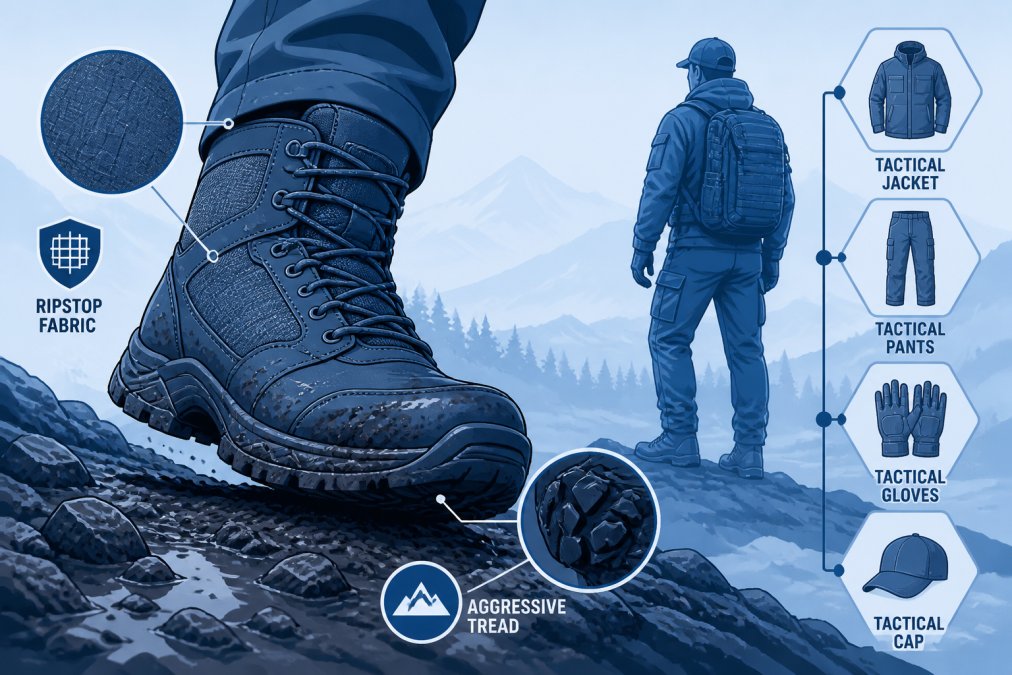
Ripstop fabric in your apparel resists tearing from brush and rock contact. Reinforced seams at stress points extend garment life in harsh environments. Pockets designed for tactical gear organization keep essential items accessible. Environmental protection drives apparel selection more than fashion, sun protection, wind resistance, and appropriate insulation for your season and elevation.
Maintaining Tactical Gear in Harsh Environments
Tactical gear fails not because it's inherently fragile, but because it's neglected in the field. Repair and field maintenance skills separate explorers who extend gear life from those who abandon equipment after single trips.
Establish a maintenance routine during your expedition, not after you return home. Clean your filter regularly if you're using a mechanical water purification system. Rinse salt and sand from moving parts on GPS devices and multi-tools. Dry out wet gear during rest periods to prevent mold and material degradation.
Carry basic repair materials: duct tape wrapped around a pencil, needle and thread, small patches, and spare batteries. Learn to field-repair your critical gear before you need to. Know how to replace your water filter if it clogs. Practice these repairs at home so you can execute them confidently when stressed and tired.
Different materials require different maintenance approaches. Ripstop fabric can be patched with adhesive-backed patches or sewn repairs. Metal components benefit from light oil to prevent corrosion. Plastics become brittle in extreme cold. Leather boots require conditioning to maintain water resistance.
Environmental conditions accelerate gear degradation. Salt spray corrodes metal. Sand abrades seals and moving parts. Extreme temperature swings stress materials and seams. UV exposure degrades fabrics and plastics. Your maintenance routine should address these specific threats.
Document your gear's condition before and after expeditions. Photograph damage, note performance issues, and track repairs. This record helps you identify which pieces need replacement and which perform reliably.
Comparison Table: Top Tactical Gear Picks
| Gear Category | Product | Best For | Key Advantage |
|---|---|---|---|
| Navigation | Garmin GPSMAP 67i | Remote expeditions beyond cell coverage | Satellite messaging and SOS capability |
| Water Purification | MSR HyperFlow Microfilter | Speed and reliability | Filters 3+ liters per minute |
| Water Purification | LifeStraw Peak Squeeze | Lightweight versatility | Works with bottles and bladders |
| Water Purification | Platypus GravityWorks 4.0L | Group operations and basecamp | High volume without manual pumping |
| Lighting | Zebralight H53F | Durability and simplicity | AA battery, waterproof metal construction |
| Lighting | Fenix HM55R Renegade | High-output illumination | 1600 lumens with red light mode |
Which Tactical Gear Should You Choose?
Selecting the best tactical gear for remote exploration requires matching equipment to your specific mission profile. Generic "best of" recommendations fail because they ignore your environment, duration, group size, and skill level.
Start with your non-negotiables. If you're exploring beyond cell coverage, navigation tools with satellite communication become essential. If you're in areas with questionable water sources, water purification systems move from nice-to-have to critical. If you're traveling solo, weight management becomes more important than if you're part of a larger group.
Consider the weight-to-utility ratio for every item. A GPS device with satellite messaging adds weight but provides navigation and emergency communication. A multi-tool adds ounces but addresses dozens of field problems. A trauma medical kit addresses life-threatening injuries. These items justify their weight because they solve multiple problems.
Test your gear on shorter expeditions before committing to extended remote exploration. A backpack that feels fine for a day hike might cause problems on a week-long trip. Water filters that work in your local mountains might struggle with different water sources. Boots that perform well in one season might fail in another.
GreatAdventureSupply simplifies the process of finding reliable tactical gear by curating collections specifically for remote exploration. Rather than sorting through thousands of generic outdoor products, you access equipment selected for performance in real-world conditions.
Frequently Asked Questions
What is the best tactical gear for remote exploration?
The best tactical gear combines durability, weight management, and mission-specific functionality. Prioritize a quality backpack with MOLLE webbing for modular organization, a reliable water purification system, navigation tools like the Garmin GPSMAP 67i, and field-ready apparel made from ripstop fabric. Choose gear based on your specific environment, desert, forest, or alpine, rather than buying everything at once. Start with the essentials: pack, water system, navigation, and shelter, then add specialized items as needed.
How do you choose durable gear for remote exploration?
Look for abrasion-resistant materials like ripstop nylon and reinforced stitching that can withstand field use. Check weight-to-utility ratios to avoid carrying unnecessary bulk. Read reviews from users in similar environments and verify that gear has been field-tested in harsh conditions. Avoid items with single points of failure; redundancy matters in remote areas. Prioritize brands known for repair and replacement support, and test gear on shorter trips before committing to extended expeditions.
What are the essential items for a remote survival kit?
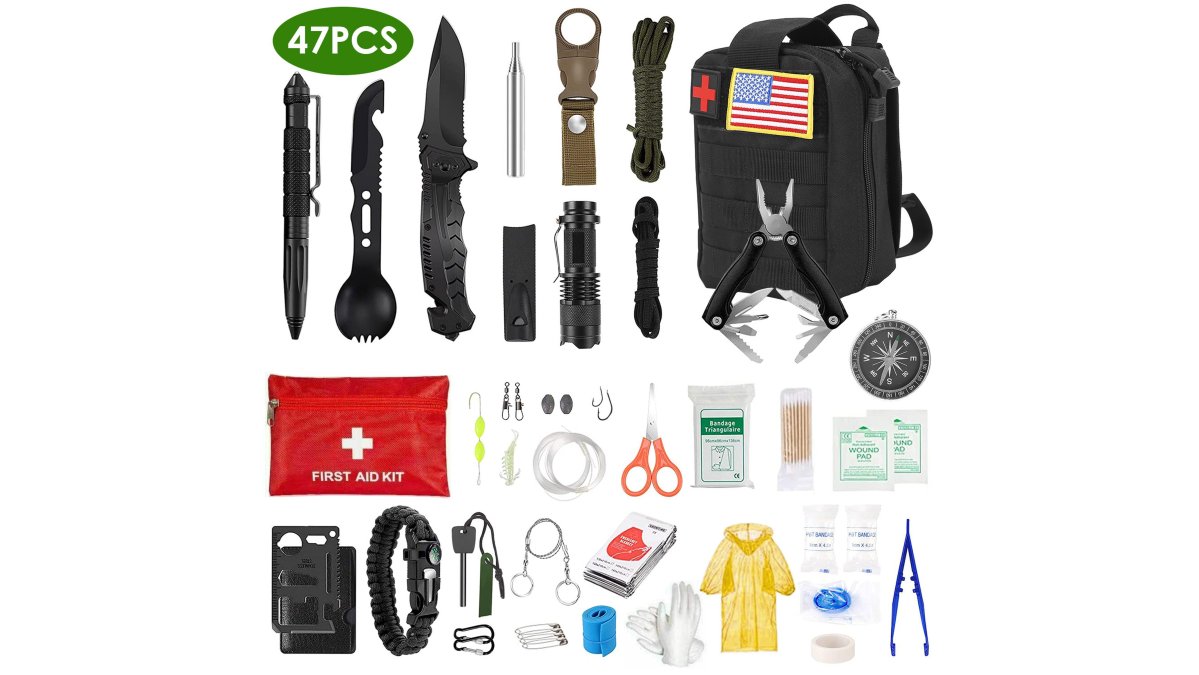
A tactical survival kit should include: a trauma medical kit with tourniquets and gauze, a multi-tool or fixed-blade knife, fire-starting materials (waterproof matches, lighter, ferro rod), a headlamp with spare batteries, water purification tablets or a filter, a signaling device (whistle or mirror), cordage, a map and compass, and basic first aid supplies. Organize these in quick-access pouches using MOLLE attachment points on your pack. Weight management is critical, prioritize items that serve multiple functions, such as a multi-tool that includes pliers, knife, and can opener.
Does military-grade gear actually perform better in wilderness conditions?
Military-grade gear is designed for durability and reliability under extreme stress, which translates well to remote exploration. However, 'military-grade' doesn't always mean best for your specific use. Military gear often prioritizes concealment and load-bearing capacity over comfort or weight efficiency. For remote exploration, choose gear rated for your environment, a waterproof backpack, ruggedized navigation tools, and field-ready apparel, rather than assuming all military equipment is superior. The key is matching the gear's design intent to your actual mission needs.
Get started with GreatAdventureSupply. Our curated collections bring together the tactical gear that actually performs in remote exploration, from load-bearing backpacks with MOLLE webbing to field-ready water purification systems and navigation tools with satellite communication. We've simplified the shopping experience so you spend less time researching and more time preparing for your next adventure. Explore our tactical gear selection and build the system that matches your mission.
This article was written using GrandRanker