 listicle
Best Tactical Gear for Beginners: Essential Kit Guide
Table of Contents
- What You'll Need Before Your First Tactical Gear Purchase
- Essential Tactical Gear for Beginners: Building Your Foundation
- Tactical Gear Checklist for Beginners: What Goes in Your Kit
- How to Set Up a Plate Carrier for Your Body Type
- Best Budget Tactical Gear Brands and Affordable Starter Options
- Common Setup Mistakes to Avoid
- Maintenance and Care Protocols for Long-Term Durability
- Legal and Ethical Considerations for Tactical Gear Ownership
Last Updated: August 25, 2026
What You'll Need Before Your First Tactical Gear Purchase
Starting your tactical gear journey requires honest self-assessment before you spend a dime. Most beginners buy gear based on what looks cool rather than what solves their actual problem. Your first question shouldn't be "What's the best plate carrier?" but rather "What am I actually preparing for?"
Tactical gear falls into three categories: emergency preparedness, recreational tactical training, and professional mission-specific use. Each path requires different priorities. Before purchasing anything, define your budget ceiling. A beginner's foundational kit runs between $300 and $800. GreatAdventureSupply simplifies this decision by curating collections for different experience levels.
Consider your body type and how you'll carry gear. An ill-fitting plate carrier causes shoulder strain and back pain that compounds over hours. Finally, understand your local legal landscape. Some jurisdictions restrict body armor or specific tactical components. Research your regulations before purchasing anything.
Essential Tactical Gear for Beginners: Building Your Foundation
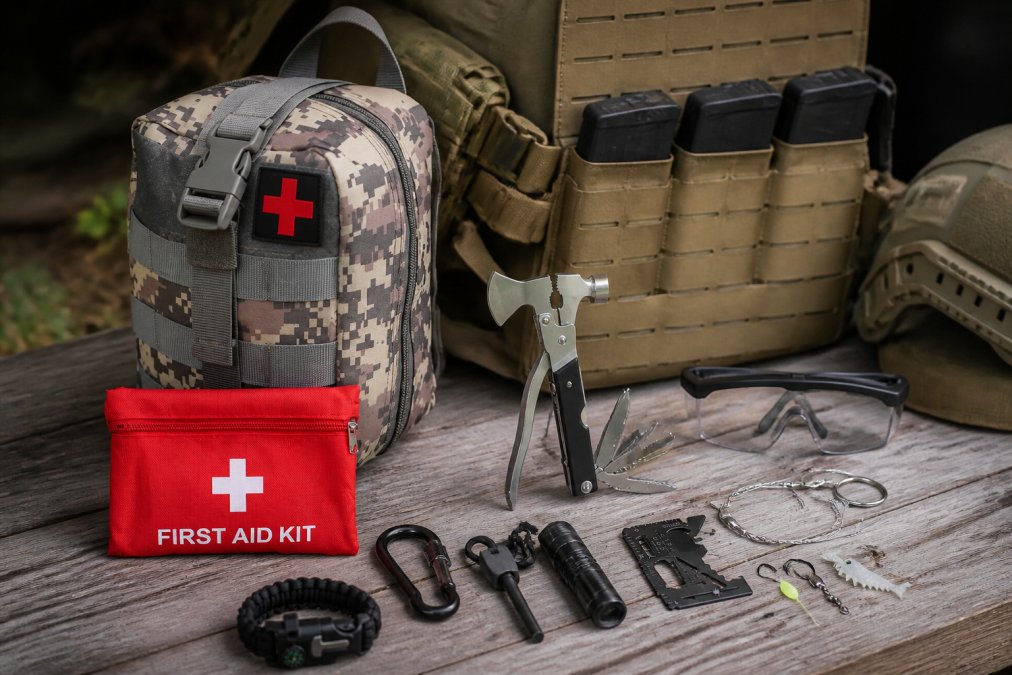
The foundation of any tactical gear setup starts with protection and medical readiness. Without proper body armor and an IFAK (Individual First Aid Kit), you're just carrying equipment without addressing actual risks.
Understanding Body Armor and Plate Carriers
Body armor stops projectiles and reduces blunt force trauma. A plate carrier is the vest system that holds ballistic plates and distributes weight across your torso. The National Institute of Justice (NIJ) rates body armor from Level II through Level IV, with higher levels stopping faster, heavier projectiles (nij.ojp.gov). Most beginners start with Level III ceramic plates, which handle rifle rounds without the weight and cost of Level IV steel plates.
A plate carrier's job is holding plates securely while allowing you to attach additional gear via MOLLE webbing. MOLLE (Modular Lightweight Load-carrying Equipment) webbing is the grid of nylon straps covering the carrier's exterior. Beginners often overbuy carriers with excessive MOLLE real estate. Start with a carrier offering front and back plate pockets plus basic side panels.
Fit is non-negotiable. Your plates should rest roughly one inch below your collarbone and sit level across your chest. A plate carrier that rides too high restricts neck movement; one sitting too low interferes with hip movement. If you're between sizes, size down, a tight carrier is uncomfortable but functional, while a loose one shifts during movement and offers inconsistent protection.
The Importance of Medical Kits (IFAK)
An IFAK is not a first aid kit for scraped knees. It's a trauma kit designed for serious bleeding, airway compromise, and life-threatening injuries. A proper IFAK contains tourniquets, hemostatic gauze (gauze treated with blood-clotting agents), pressure bandages, and airway management tools. These items address the leading causes of preventable death in trauma: severe bleeding, airway obstruction, and tension pneumothorax.
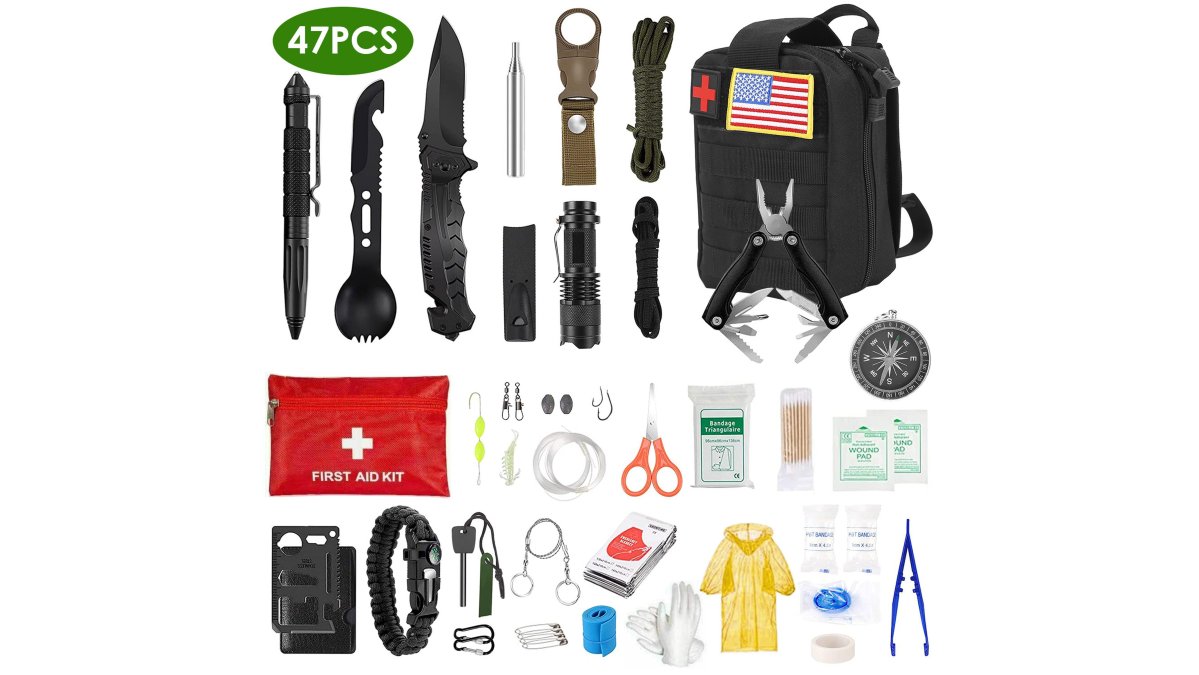
Placement matters. Your IFAK should be accessible with one hand while you're under stress or injured. Most tactical practitioners keep one on their plate carrier and a second in their backpack. Redundancy saves lives. The GreatAdventureSupply 47Pcs Emergency Survival Kit ($78.99) includes trauma supplies alongside general emergency gear, making it a practical starting point for beginners.

Training is essential. Owning an IFAK without knowing how to use it is useless. Take a tactical first aid course before you need the kit. Hands-on practice with tourniquets and gauze under simulated stress reveals what actually works versus what looks good in a catalog.
Eye and Ear Protection Requirements
Eye and ear protection aren't optional, they're non-negotiable safety equipment. Ballistic-rated eye protection prevents fragmentation and debris from reaching your eyes. Standard shooting glasses don't cut it.
Ear protection comes in two forms: passive foam or silicone plugs, and electronic amplification headsets. Passive protection is cheaper but blocks all sound equally. Electronic headsets amplify quiet sounds while suppressing loud impulses, which is why tactical practitioners prefer them despite higher cost. You maintain situational awareness while protecting your hearing. Hearing damage is cumulative and irreversible. Protect your ears every single time you train or use your gear in any environment with loud impulses.
Tactical Gear Checklist for Beginners: What Goes in Your Kit
Building a complete tactical gear setup is a process, not an overnight purchase. A checklist keeps you organized and prevents impulse buying. Start with essentials: plate carrier with plates, IFAK, eye and ear protection, tactical belt, holster (if carrying a firearm), tactical backpack, appropriate clothing, and a reliable flashlight. From there, add mission-specific items based on your actual use case.
Load Carriage and Tactical Backpacks
Load carriage is how you transport gear beyond what your plate carrier holds. A tactical backpack differs from a hiking pack in one critical way: it's designed to work with body armor and distributes weight to accommodate a plate carrier's bulk.
The Military Tactical Backpack from GreatAdventureSupply ($120.29) features MOLLE webbing integration, multiple compartments, and a hydration reservoir pocket. For beginners, a 30-40 liter capacity is ideal. The 50L Waterproof Hiking Backpack ($59.00) works for lighter loads and emergency preparedness without tactical-specific features.

Your backpack should have padded shoulder straps and a load-bearing hip belt that transfers weight from your shoulders to your hips. This prevents shoulder fatigue during extended wear. Test any backpack with actual weight before committing.
Tactical Clothing and Footwear
Tactical clothing serves practical purposes beyond aesthetics. Reinforced stitching, multiple pockets, and durable fabrics withstand rough environments better than civilian clothing. Start with neutral colors (black, tan, olive) that work across different scenarios.
Tactical pants with cargo pockets, reinforced knees, and gusseted crotches run $60-120. Quality matters here; cheap tactical pants tear during movement. Footwear should be broken in and tested before relying on it during training. Invest in combat boots with ankle support, water resistance, and aggressive tread patterns. Avoid buying full tactical outfits. Mix quality tactical pieces with standard outdoor clothing.
Accessories: Belt Systems and Holster Retention
A tactical belt is not a fashion accessory, it's a load-bearing component. Standard belts can't handle the weight of a holstered firearm, magazines, and pouches without sagging and shifting. A tactical belt has internal stiffening and distributes weight across your hips.
Holster retention varies from simple friction retention to active retention systems with buttons or straps. For beginners, friction retention is sufficient. A quality holster costs $50-150 but prevents losing your firearm or suffering an accidental discharge.
How to Set Up a Plate Carrier for Your Body Type
Plate carrier setup determines whether your gear enhances your capabilities or creates problems. A poorly configured carrier causes shoulder strain, restricted movement, and inconsistent protection.
Sizing and Fit Fundamentals
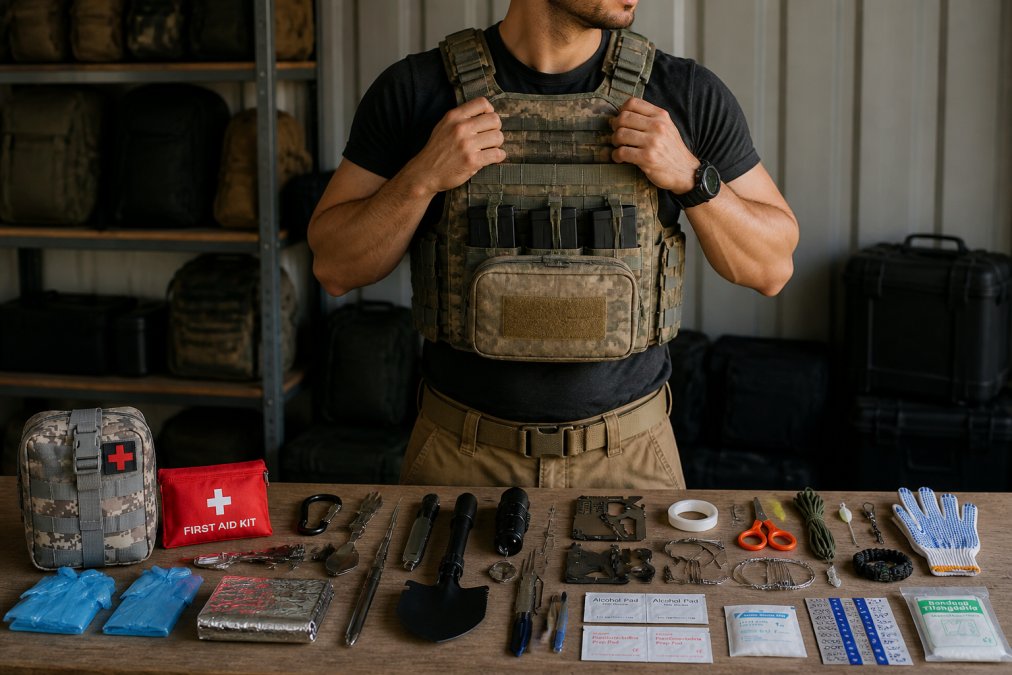
Plate carriers come in small, medium, large, and extra-large sizes. Your sizing depends on your plate size, not your clothing size. Most adults wear medium or large plates. Measure from one shoulder to the opposite hip; your plate carrier should span that distance comfortably.
When wearing your carrier empty, you should move your arms freely without the carrier shifting. When loaded with plates, the carrier should sit level and stable. Your plates should not rotate or shift during movement. If they do, your carrier is too large. The front plate should rest approximately one inch below your collarbone. The back plate should align with your front plate vertically. Side plates should cover your ribcage without restricting arm movement.
MOLLE Webbing and Modular Equipment Integration
MOLLE webbing covers most tactical gear, allowing you to attach pouches, holsters, and accessories. Understanding MOLLE prevents expensive mistakes when purchasing accessories.
Start with minimal MOLLE attachments: a magazine pouch, an IFAK, and a flashlight holder. Resist the urge to cover every inch of webbing with pouches. Overloaded carriers become unbalanced, restrict movement, and make you slower and less effective. Professional tactical operators keep their carriers lean, adding gear based on mission requirements, not because space exists.
Before purchasing MOLLE attachments, know exactly what you're carrying and verify compatibility. A magazine pouch designed for AR-15 magazines won't work well with pistol magazines.
Best Budget Tactical Gear Brands and Affordable Starter Options
Budget doesn't mean low quality in tactical gear. Many affordable brands offer solid performance for beginners. The key is understanding what you're actually buying and where quality truly matters.
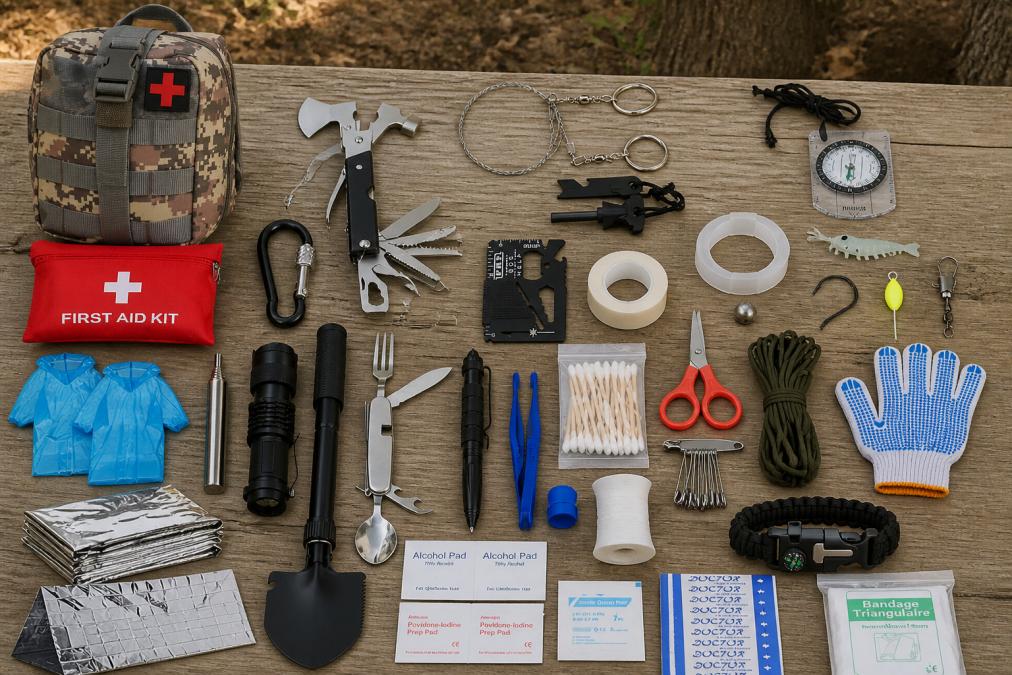
GreatAdventureSupply offers several budget-friendly starting points. The 125-Pieces Emergency Survival Gear Tactical kit ($55.00) provides comprehensive emergency supplies in a compact pouch. The 47Pcs Emergency Survival Kit ($78.99) adds trauma-specific medical items. Both are designed for real-world conditions.
For tactical backpacks, the 50L Waterproof Hiking Backpack ($59.00) provides load carriage capability at a fraction of specialized tactical pack pricing. The Military Tactical Backpack ($120.29) adds MOLLE integration and tactical-specific features for beginners ready to invest more.
Focus your spending on items that directly impact performance or safety: plates, IFAK components, eye protection, and footwear. Save money on pouches, accessories, and non-essential gear. You can upgrade these later as your needs become clear.
Common Setup Mistakes to Avoid
Beginners consistently repeat the same errors when building their first tactical kit. Learning from others' mistakes saves money and prevents frustration.

The biggest mistake is buying everything at once. Tactical gear requires testing under realistic conditions. A plate carrier that feels fine in your living room might create shoulder pain during a training course. Buy core items, train with them, then add specialized gear based on actual experience.
Second mistake: prioritizing appearance over function. A dull-colored carrier that fits perfectly beats a flashy one that shifts during movement. Third mistake: neglecting training. Owning an IFAK means nothing without trauma first aid training. Carrying a firearm requires weapon handling courses. Invest in training before or immediately after purchasing gear.
Fourth mistake: overloading your carrier with gear you'll never use. Every pouch, magazine, and tool you carry adds weight and reduces mobility. Professionals carry exactly what their mission requires. Start with minimal attachments and add only what you actually need.
Maintenance and Care Protocols for Long-Term Durability
Tactical gear is an investment. Proper maintenance extends its life and ensures it functions reliably when needed.
Body armor plates require minimal maintenance but shouldn't be dropped or impacted. Ceramic plates are durable but brittle; a hard drop can create internal cracks invisible from the outside. Inspect your plates regularly for visible damage. Store them in a cool, dry place away from extreme temperatures.
Plate carriers need regular inspection of stitching, webbing, and straps. Wash them periodically with mild soap and water. Allow them to air dry completely before storage. Check all attachment points for wear or damage.
IFAK components have expiration dates. Hemostatic gauze, tourniquets, and medications all expire. Check your kit every six months and replace expired items. A kit with expired components creates false confidence.
Firearms and holsters require regular cleaning and lubrication. Tactical clothing should be washed according to fabric recommendations. Boots need regular cleaning and conditioning. The Outdoor Multifunctional Knife Pliers EDC tool ($30.08) requires occasional cleaning and light oil to prevent corrosion. Store all gear in a dry location away from direct sunlight.
Legal and Ethical Considerations for Tactical Gear Ownership
Tactical gear ownership comes with legal and ethical responsibilities that vary by jurisdiction. Understanding these prevents legal problems and ensures you're operating within appropriate boundaries.
Body armor legality varies significantly by state. Some states restrict body armor ownership, while others require permits or have specific regulations around possession. Research your state's laws before purchasing plates. The Bureau of Alcohol, Tobacco, Firearms and Explosives guidance on body armor provides federal context, but state laws often impose additional restrictions.
Firearm holsters and tactical gear designed for carrying weapons fall under firearm regulations in your jurisdiction. Open carry, concealed carry, and permitless carry laws vary by state. Ensure your holster and carry setup comply with your state's specific requirements.
Tactical training and gear use should follow safety protocols. Training at private ranges requires their approval and adherence to their rules. Contact local land management agencies before conducting training on public property.
Ethically, tactical gear ownership implies responsibility. This gear is designed for serious purposes. Using it for intimidation, unlawful activities, or demonstration without legitimate purpose reflects poorly on the broader tactical community. Responsible ownership means training regularly, maintaining your equipment, and using it only for lawful purposes.
The NIJ body armor certification standards establish what "protection" actually means. Understanding these standards prevents overestimating your gear's capabilities. No body armor is 100% effective against all threats.
Building your first tactical gear setup requires patience, research, and realistic self-assessment. Start with core items: plate carrier with plates, IFAK, eye and ear protection, and appropriate clothing. Train with your gear before adding specialized equipment. Invest in quality where it matters most, protection, medical readiness, and footwear. Save money on accessories and pouches that you can upgrade later.
GreatAdventureSupply curates tactical gear specifically for different experience levels, eliminating confusion when sorting through thousands of generic products. Whether you're building an emergency preparedness kit or starting recreational tactical training, the right foundation makes everything that follows more effective. Start lean, train hard, and upgrade based on actual experience rather than marketing hype.
Frequently Asked Questions
What is a good starter tactical kit for complete beginners?
A solid starter tactical kit includes a quality plate carrier, IFAK with tourniquets and bandages, eye and ear protection, a tactical backpack for load carriage, durable clothing suited for your environment, and a reliable flashlight. Start with essentials focused on protection and medical readiness. The 125-Pieces Emergency Survival Gear Tactical kit ($55) provides comprehensive basics, while the Military Tactical Backpack ($120.29) offers load carriage. Prioritize NIJ-certified body armor and blunt force trauma protection over unnecessary accessories.
Can civilians legally own tactical gear?
Yes, civilians can legally own most tactical gear in the U.S. Body armor, plate carriers, tactical backpacks, and protective equipment are legal for civilian purchase and use. However, certain items like body armor may have restrictions in specific states or contexts, check your local laws. Tactical gear designed for emergency preparedness, outdoor recreation, and personal protection is widely available and commonly owned by outdoor enthusiasts, hunters, and emergency responders. Always verify regulations in your jurisdiction before purchasing.
How do I choose the right plate carrier for my body type?
Measure your torso from shoulder to waist and determine your chest width to select the correct carrier size. Carriers come in small, medium, large, and extra-large, proper fit prevents discomfort and ensures ballistic protection coverage. The carrier should sit snugly without restricting breathing or movement. Look for adjustable shoulder straps and side panels to customize fit. Test the sling configuration and ensure quick-release mechanisms function smoothly. A well-fitted plate carrier distributes weight evenly across your shoulders and torso, reducing fatigue during extended wear.
What should I prioritize when buying my first tactical gear?
Prioritize medical readiness first, invest in a quality IFAK with tourniquets, gauze, and trauma supplies. Second, choose body armor and a plate carrier rated for NIJ certification to ensure fragmentation protection. Third, select a tactical backpack with MOLLE webbing for modular equipment integration and proper load carriage. Fourth, add eye and ear pro for protection during training. Budget-conscious beginners should focus on durable construction and multi-functional items rather than expensive accessories. The 47Pcs Emergency Survival Kit ($78.99) combines first aid and tactical essentials in one portable package.
What are the most essential items for a beginner tactical loadout?
Essential items include a plate carrier with body armor, IFAK stocked with medical supplies, tactical backpack, eye protection, ear protection, tactical belt with holster retention, durable tactical clothing, reliable footwear, and a high-output flashlight. Add utility pouches for organization and quick access to critical items. The Extensively Prepared Emergency Kit ($173.99) provides comprehensive gear including shelter, water purification, and tools. Include a multifunctional tool like the Outdoor Multifunctional Knife Pliers ($30.08) for mission-specific tasks.
This article was written using GrandRanker