 listicle
Best Gear for Multi-Day Hikes: A 2026 Guide
Table of Contents
- Best Gear for Multi-Day Hikes: Essential Categories
- Backpack Selection and Sizing for Multi-Day Trips
- Sleep System: Tents and Sleeping Bags
- Water Filtration Systems for Hiking
- Footwear and Clothing for Trail Performance
- Backpacking Gear Checklist: Navigation, Lighting, and Safety
- How to Pack for a 3-Day Hike: Weight and Organization
- Kitchen Gear and Food Storage
Last Updated: August 13, 2026
Best Gear for Multi-Day Hikes: Essential Categories
Planning a multi-day hiking trip requires more than enthusiasm and a map. The difference between a miserable trek and a memorable adventure comes down to one thing: gear selection. At GreatAdventureSupply, we've learned that most people either overpack or underestimate what they actually need.
The best gear for multi-day hikes balances weight, durability, and functionality. You're not carrying gear for comfort alone, you're carrying it because it keeps you safe, dry, and functional when conditions shift. This guide covers the essential categories every backpacker should evaluate: your backpack, sleep system, water filtration, footwear, clothing, navigation tools, and kitchen setup. We'll walk through what matters most in each category and why certain choices make a tangible difference on the trail.
Quick Picks:
- Best Overall Solution: GreatAdventureSupply's curated collections combine all essential categories in one place, eliminating the guesswork and ensuring gear compatibility.
- Best for Comfort: Osprey Atmos AG LT 65, exceptional hip belt support and ventilation for carrying heavier loads. (Priced at $320.00).
- Best for Ultralight Travel: Big Agnes Copper Spur HV UL2 tent combined with Zpacks sleeping bag for minimalist multi-day trips. (The Zpacks 20F Mummy sleeping bag is priced at $579).
- Best for Water Safety: Sawyer Squeeze Water Filter, proven reliability and fast flow rate for backcountry hydration.
| Category | Top Pick | Key Advantage | Best For |
|---|---|---|---|
| Backpack | Osprey Atmos AG LT 65 | Anti-Gravity suspension, excellent ventilation | Comfort on multi-day trips |
| Tent | Big Agnes Copper Spur HV UL2 | Ultralight design, spacious interior | Weight-conscious backpackers |
| Sleeping Bag | Zpacks 20F Mummy | 900 fill down, 23.2 oz weight | Ultralight thru-hikers |
| Water Filter | Sawyer Squeeze | Removes 99.99999% bacteria, fast flow | Reliable backcountry hydration |
| Headlamp | Black Diamond Spot 400-R | 400 lumens, rechargeable, IPX8 waterproof | Night hiking and camp tasks |
| Footwear | Merrell Moab 3 Mid Waterproof | Vibram outsole, comfortable support | Multi-day hiking with moderate loads |
| Navigation | Gaia GPS | Offline maps, topographic layers | Off-trail and backcountry navigation |
Backpack Selection and Sizing for Multi-Day Trips
Your backpack is the foundation of your entire system. A poorly fitting pack creates pressure points, throws off your balance, and turns a pleasant hike into a grinding endurance test. The right pack distributes weight efficiently across your hips and shoulders, letting your legs do the work rather than your back.
For multi-day hikes, aim for a pack volume between 50-70 liters, depending on trip length and season. A 65-liter capacity handles most three- to five-day trips comfortably. The Osprey Atmos AG LT 65 stands out because its Anti-Gravity suspension system keeps your back cool and transfers weight directly to your hips, where your body's strongest muscles can handle it. This matters on day three when fatigue sets in, a well-designed hip belt means your legs carry the load, not your shoulders.
When selecting a backpack, fit takes priority over brand loyalty. Visit a retailer where you can try packs with actual weight inside. Adjust the hip belt so it sits on the widest part of your hips, not your waist. Your shoulders should feel supported but not squeezed. The pack's length should match your torso, most manufacturers offer sizes in small, medium, and large.
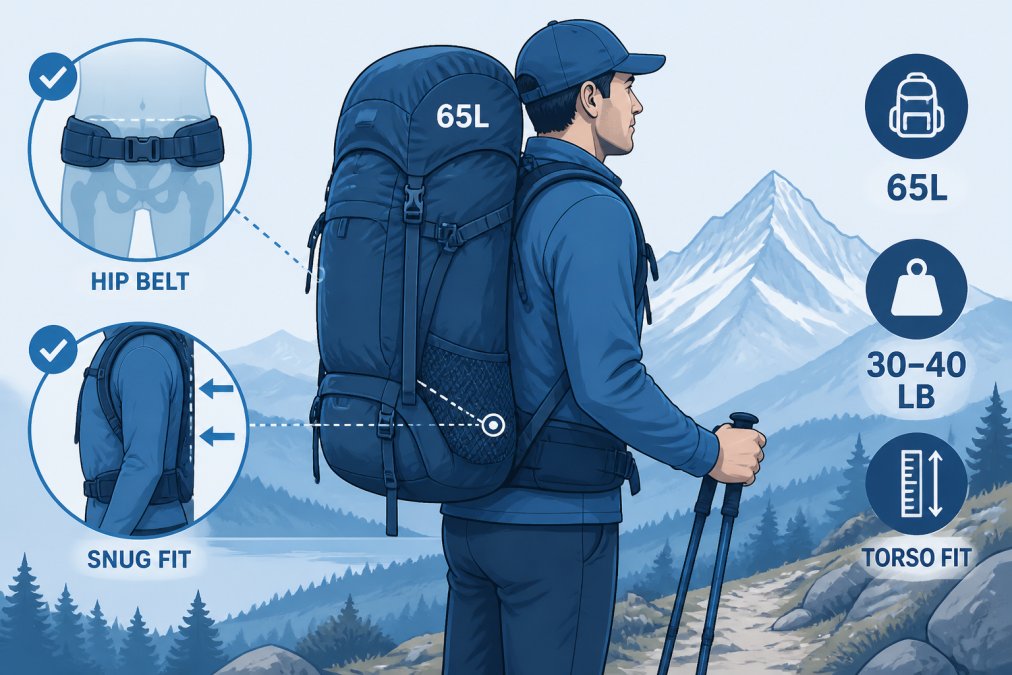
Look for packs with a raincover included rather than buying separately. External pockets should have enough capacity for items you access frequently, snacks, sunscreen, a map, without forcing you to open the main compartment. Internal hydration sleeves are standard now, but verify the pack supports your preferred water system.
Hip Belt and Weight Distribution
The hip belt is where pack engineering becomes visible. A quality hip belt transfers 60-80% of your pack's weight to your hips, which can support far more than your shoulders. The Osprey design uses a curved, padded belt that wraps around your natural hip shape rather than sitting flat.
When packing, place heavier items (tent, sleeping bag, food) closer to your back and centered vertically. This keeps your center of gravity aligned with your body. Lighter items go toward the outside of the pack. Avoid hanging heavy gear on the exterior, it throws off your balance and causes shoulder strain.
Test your pack weight before committing to a multi-day trip. Most backpackers aim for 20-25 pounds total (including water), though this varies by body size and fitness level. Heavier loads require more precise weight distribution and a pack with excellent hip belt support. If you consistently carry over 30 pounds, invest in a pack designed for that range rather than overstuffing a smaller model.
Sleep System: Tents and Sleeping Bags
Your sleep system determines whether you recover each night or wake exhausted. This category includes your tent, sleeping bag, and sleep pad, all three matter equally.
For a three-day hike, the Big Agnes Copper Spur HV UL2 tent offers an exceptional balance of weight and livability. At 2 pounds 6 ounces, it's light enough to not dominate your pack, yet spacious enough that you're not cramped. The two doors mean you're not climbing over a partner to reach the exit, and the high-volume hub design creates headroom without adding weight. The ultralight ripstop nylon requires careful handling, avoid dragging it on rocks, but it delivers performance that heavier tents can't match.
Sleeping bags vary dramatically by insulation type. Down fill (like the 900 fill power in the Zpacks 20F Mummy bag) compresses extremely well and provides excellent warmth-to-weight ratio, making it ideal for ultralight backpacking. Synthetic insulation works better in wet conditions because it retains warmth even when damp, though it's bulkier and heavier. For most multi-day trips in temperate climates, a 20°F temperature rating gives you safety margin without excessive weight.
Your sleep pad is non-negotiable, it insulates you from ground cold and provides cushioning. Closed-cell foam pads are durable and inexpensive but bulky. Inflatable pads compress smaller but require repair kits. Many backpackers use both: a thin foam pad as backup insulation plus an inflatable pad for comfort.
A common mistake is choosing a sleeping bag rated for winter use on a summer trip. You'll overheat, sweat, and your bag loses insulating properties when damp. Match your bag's temperature rating to your trip's conditions with a 10-15 degree safety margin.
Water Filtration Systems for Hiking
Water filtration systems for hiking are non-negotiable for multi-day trips. Giardia and cryptosporidium exist in backcountry water sources, and illness during a remote hike becomes a serious problem. The Sawyer Squeeze Water Filter removes 99.99999% of all bacteria and 99.9999% of all protozoa, making it one of the most effective options available.
The Sawyer Squeeze attaches directly to standard water bottles or includes a reusable pouch. Its fast flow rate means you're not waiting five minutes to fill a bottle. The filter lasts up to 100,000 gallons, far longer than a typical backpacker's lifetime use. At roughly 2 ounces, it's light enough that weight isn't a factor in your decision.
Maintenance matters. After each day's use, backflush the filter with clean water to extend its lifespan. Never let it freeze, ice damages the filter membrane. Store it dry between trips. If you forget to dry it properly, the filter can develop mold, which doesn't affect performance but indicates poor maintenance.
Some backpackers use gravity systems or squeeze bottles with built-in filters. Gravity systems take longer but require less physical effort. Squeeze bottles let you filter on-demand. Choose based on your trip style, if you're moving frequently, the Sawyer Squeeze's speed wins. If you're staying in camp longer, a gravity system's convenience matters more.
Footwear and Clothing for Trail Performance
Your feet carry you. Invest accordingly. The Merrell Moab 3 Mid Waterproof hiking boots combine comfort, support, and durability. The Vibram TC5+ outsole provides excellent traction on wet rocks and loose terrain. Waterproof membrane keeps feet dry in stream crossings and rain. The mid-height ankle support prevents rollover injuries on uneven ground.
Merrell boots fit comfortably out of the box, a rarity in hiking footwear. Most backpackers report minimal break-in time. The Air Cushion heel absorbs impact on long descents, reducing knee strain. For multi-day trips where your feet spend eight hours daily on trail, this matters.
Socks deserve attention equal to boots. Wool or synthetic blend socks wick moisture and dry quickly. Cotton socks retain moisture, leading to blisters and fungal issues. Bring two pairs of socks for a three-day trip, one for hiking, one for camp. Wash your hiking socks each night if possible, or at minimum let them dry completely.
Moisture-Wicking Base Layers
Moisture-wicking base layers pull sweat away from your skin, maintaining core temperature regulation. Merino wool base layers excel at this task. They regulate temperature in both hot and cold conditions, naturally resist odor, and dry reasonably quickly despite being wool.
Your base layer works best when it fits snugly without restricting movement. Loose layers create dead air space that reduces insulation. Synthetic base layers like polyester offer faster drying than wool but less temperature regulation. For three-day trips, one base layer set works if you can wash it each night. For longer trips, bring two sets and rotate them.
The layering principle is simple: base layer (moisture management) → mid layer (insulation) → outer layer (wind and rain protection). Avoid cotton entirely, it absorbs moisture and loses all insulating properties when wet. Quick-dry fabrics are essential for backcountry use where you can't access a dryer.
Backpacking Gear Checklist: Navigation, Lighting, and Safety
Navigation tools have evolved significantly. Traditional map and compass remain essential backup systems, but digital tools now provide advantages that warrant their weight. Gaia GPS offers offline topographic maps with multiple layers, satellite imagery, public lands boundaries, trail networks. Download your route before leaving cell service. The app tracks your position and alerts you if you drift off-trail. A Gaia GPS Premium Membership costs $39.99 per year, or $59.90 per year as of February 2024.
A headlamp is essential even on day hikes, emergencies happen, and darkness arrives faster than expected. The Black Diamond Spot 400-R delivers 400 lumens on high setting, sufficient for hiking at night. The rechargeable battery is convenient for trips where you can charge at basecamp or carry a portable power bank. Red night vision mode preserves your natural vision for night hiking. At 70 grams, weight is negligible compared to utility.
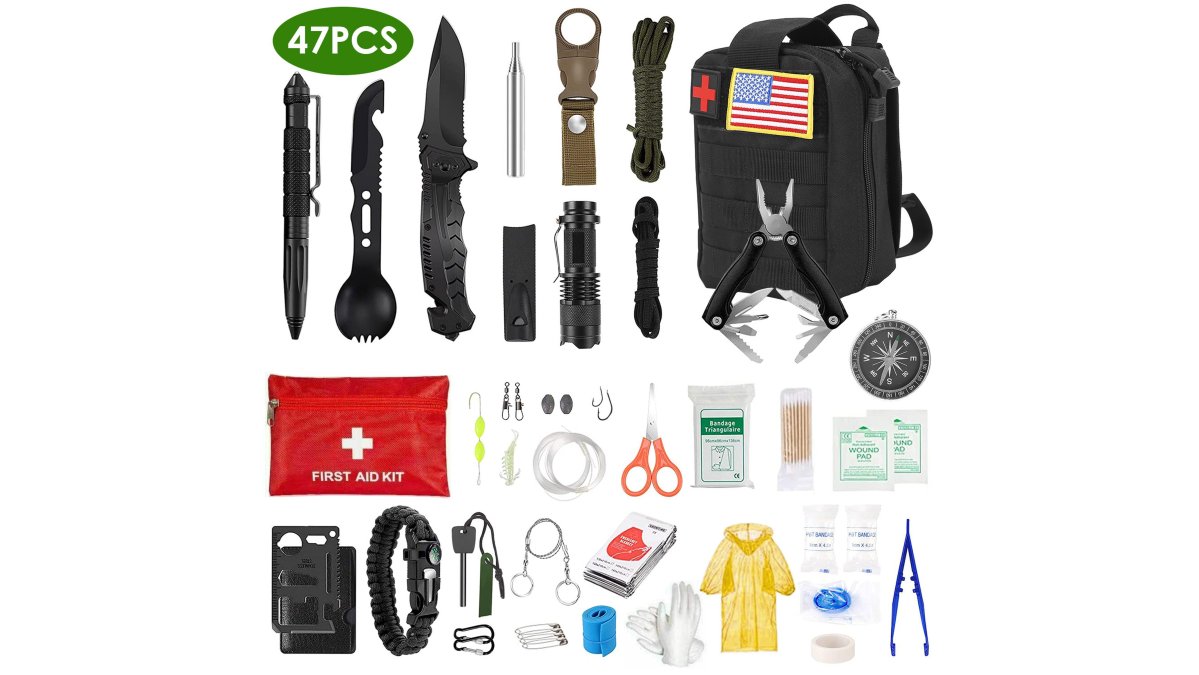
First aid kits should be trip-specific. A multi-day hike in summer demands different supplies than a winter alpine push. Include blister treatment, pain relief, antihistamine, and any personal medications. Carry a satellite messenger device like a Garmin InReach for true emergency communication in areas without cell coverage.
Leave no trace principles matter on every trip. Pack out everything you pack in, including food waste. Use established campsites when available. Filter water at least 200 feet from water sources to avoid contamination. These practices protect water sources and preserve trail conditions for future backpackers.
How to Pack for a 3-Day Hike: Weight and Organization
Packing strategy separates experienced backpackers from frustrated beginners. Weight distribution and access frequency determine where each item belongs.
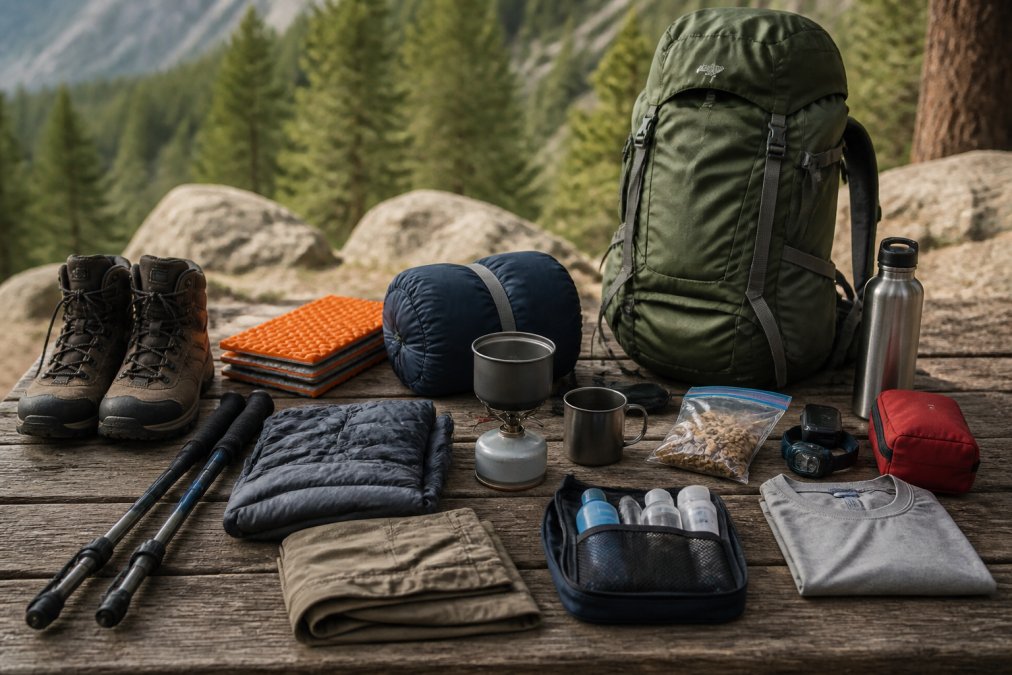
Start by laying out everything you plan to carry. Weigh your pack, aim for 20-25 pounds total including water. Remove items until you hit that target. Every ounce adds up over eight hours of hiking.
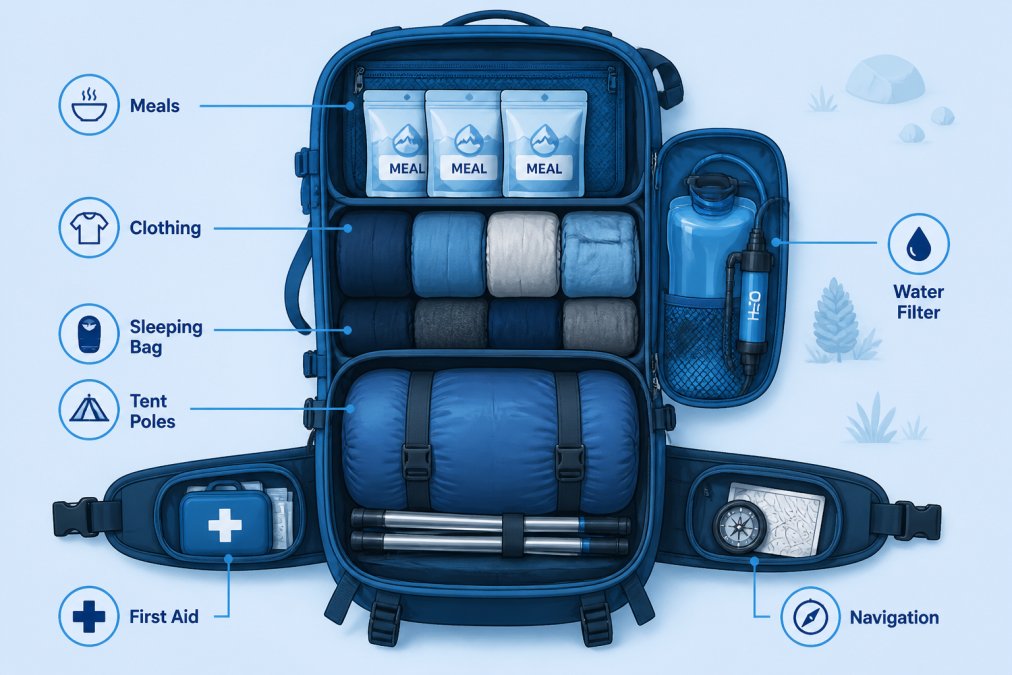
Heavy items go low and centered: sleeping bag, tent, food. This keeps your center of gravity aligned with your body. Mid-weight items go in the middle section. Light items go toward the outside. Frequently accessed items, map, snacks, sunscreen, go in hip belt pockets or the top compartment.
Compression stuff sacks reduce volume. A sleeping bag that takes up half your pack compressed to one-quarter with a good stuff sack creates space for other essentials. Rolling clothes rather than folding saves space. Stuff sacks also organize by category: one for clothing, one for food, one for toiletries.
| Packing Layer | Items | Weight | Organization |
|---|---|---|---|
| Bottom (heaviest) | Sleeping bag, tent body | 3-4 lbs | Compressed in bottom compartment |
| Middle | Food, water filter, cook system | 4-5 lbs | Centered, close to back panel |
| Upper | Clothing, insulation layers | 2-3 lbs | Accessible but not frequently used |
| Top/Pockets | Map, snacks, first aid, headlamp | 1-2 lbs | Easy access during hike |
| Hip Belt Pockets | Sunscreen, lip balm, energy gels | <1 lb | Immediate access without opening pack |
Ultralight backpackers obsess over ounces, removing unnecessary items, choosing lighter alternatives, and questioning every piece of gear. For most multi-day trips, this level of optimization isn't necessary. Focus on the big items: your pack, tent, sleeping bag, and food. These four categories account for 60-70% of your total weight. Optimize here first.
A common mistake is bringing too many clothing options. Three days requires three shirts, two pairs of pants (one for hiking, one for camp), one insulating layer, and one rain jacket. That's it. Your hiking clothes dry overnight. Bringing a "backup outfit" adds weight you won't need.
Kitchen Gear and Food Storage
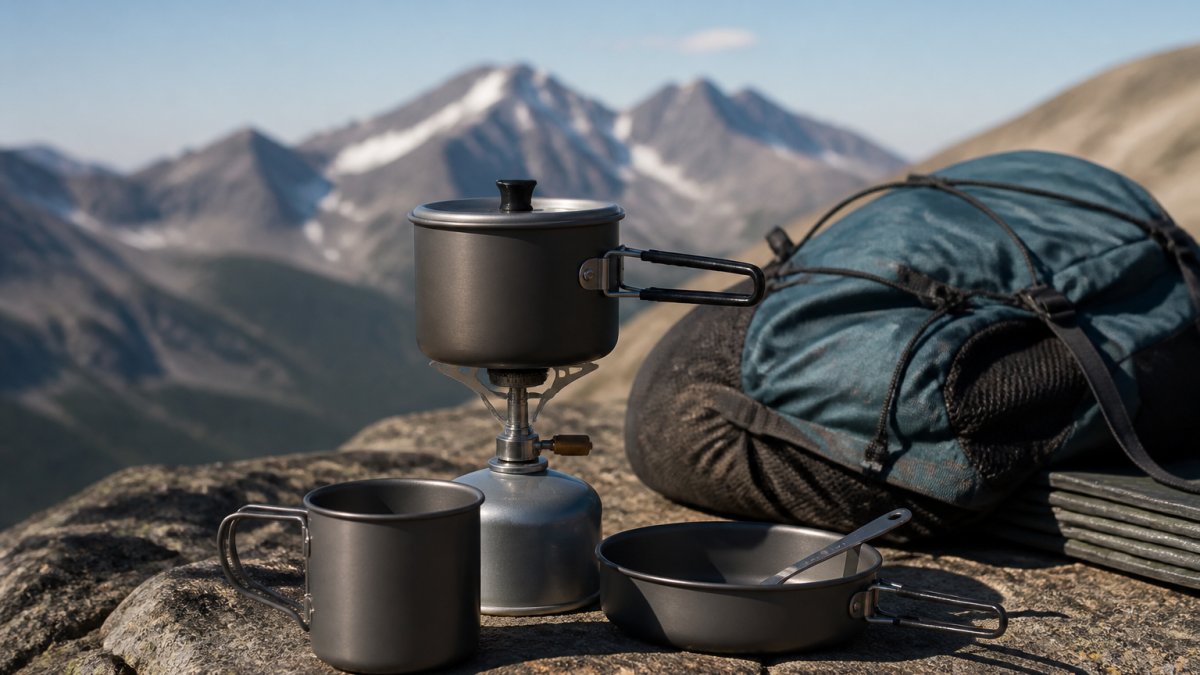
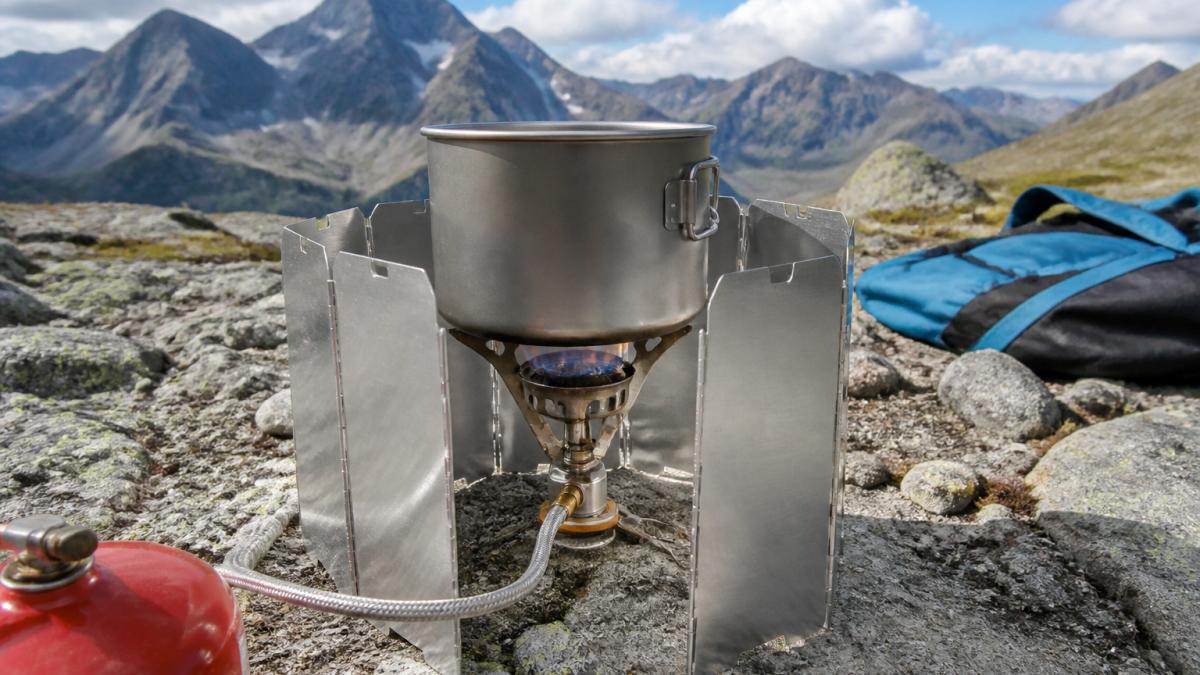
Your kitchen system determines meal quality and cleanup burden. For multi-day trips, a lightweight stove, pot, and utensils suffice. A simple canister stove (like an MSR PocketRocket) weighs 3 ounces and boils water in minutes. A 1-liter titanium pot handles cooking and dishwashing. Titanium is expensive but weighs half what aluminum does.
Mountain House Freeze-Dried Meals simplify nutrition planning. Add hot water, wait five minutes, eat. A typical three-day trip requires nine meals (breakfast, lunch, dinner each day). Most backpackers pack extra snacks, energy bars, nuts, dried fruit, for between-meal energy. These lightweight, calorie-dense foods prevent energy crashes during long hiking days.
Food storage prevents wildlife conflicts. In bear country, use bear canisters or hang food from a high branch using proper technique. In non-bear areas, storing food in your pack inside your tent suffices, though hanging is still preferable. Never leave food unattended at camp.
Water weight dominates pack weight on multi-day trips. Carry only what you need between reliable water sources. Most backpackers filter water at each source rather than carrying multiple liters. This reduces weight and keeps your pack balanced.
Planning a multi-day hike requires balancing comfort, safety, and weight. The gear categories covered here, backpack, sleep system, water filtration, footwear, clothing, navigation, and kitchen, form the foundation of every successful trip. GreatAdventureSupply simplifies this process by curating collections of proven equipment selected for real-world performance. Rather than researching dozens of brands separately, you'll find compatible gear designed to work together. Browse our multi-day hiking collections and add essential items to your cart, your next adventure starts with the right equipment.
Frequently Asked Questions
What gear should I pack for a multi-day hike?
Essential gear includes a 60-65 liter backpack with a proper hip belt, ultralight tent, sleeping bag rated for your climate, water filtration system, moisture-wicking base layers, insulated jacket, headlamp, navigation tools (map and GPS), first aid kit, and lightweight food. Weight distribution matters, heavier items go near your hip belt, lighter items higher up. Start with a complete backpacking gear checklist and adjust based on trip length and season.
How do I choose the right backpack for multi-day hikes?
Select a pack sized for your trip length: 50-60 liters for 2-3 days, 60-75 liters for week-long trips. Ensure the hip belt sits comfortably on your hips (not your waist) to transfer weight properly. Look for ventilated suspension systems that keep your back cool and reduce fatigue. Test the pack with weight before buying. A properly fitting pack distributes 80% of the load to your hips and core, not your shoulders.
What is the best way to pack a backpack for weight distribution?
Pack heaviest items (sleeping bag, food, water) close to your spine and centered on your hip belt. Place mid-weight items (tent, clothes) in the middle compartments. Put lighter, frequently accessed items (snacks, map, headlamp) in top and front pockets. Keep your center of gravity directly over your hips. This arrangement reduces strain on your shoulders and lower back during long hiking days. Proper weight distribution improves balance on uneven terrain.
How do water filtration systems for hiking work?
Lightweight filters like the Sawyer Squeeze remove bacteria (99.99999%) and protozoa (99.9999%) from natural water sources. Simply fill a water bottle or pouch from a stream, attach the filter, and squeeze clean water into your bottle. Most filters last 100,000 gallons, making them ideal for multi-day trips. Freezing can damage filters, so dry them thoroughly after each trip and store in a warm place during winter months.
What are the 10 essential gears in hiking?
The core essentials are: backpack with hip belt, tent, sleeping bag, sleeping pad, water filtration system, headlamp, navigation tools, first aid kit, emergency shelter/bivy, and fire starter. Add moisture-wicking base layers, insulating jacket, trekking poles for weight distribution, and adequate food. For multi-day trips, include a satellite messenger for remote areas. Each item should be trail-tested and serve multiple functions to keep pack weight manageable.
This article was written using GrandRanker