 how-to
How to Pack Light for Camping: A Complete Guide
Table of Contents
- What It Means to Pack Light for Camping
- Building a Minimalist Camping Gear List
- How to Reduce Backpack Weight for Camping
- Lightweight Camping Kitchen Essentials
- Sleeping Systems and Shelter Setup
- Packing Techniques and Organization
- Conducting a Post-Trip Gear Audit
- Common Mistakes to Avoid When Packing Light
What It Means to Pack Light for Camping
Packing light for camping isn't about deprivation, it's about intentionality. Every ounce in your pack either serves a purpose or creates burden. The difference between a 35-pound load and a 20-pound load isn't the number of items; it's the philosophy behind which items you choose.
At GreatAdventureSupply, we understand the weight-to-utility ratio. We know what our gear does, why we need it, and what happens if we leave it behind. That clarity changes everything.
Ultralight camping doesn't require expensive gear or extreme minimalism. It requires honest assessment. A sleeping bag rated for 20°F that you'll use in 40°F conditions is dead weight. A second pair of socks you'll never change into is dead weight. A water filter when you're hiking near reliable water sources is dead weight. The goal is simple: carry what you'll actually use, nothing more.
The baseline matters. Most recreational campers carry 40-50 pounds (americanhiking.org). Experienced backpackers typically aim for 20-30 pounds (base weight, everything except food and water). Ultralight enthusiasts push toward 10-15 pounds. Your target depends on your trip duration, terrain, and comfort threshold. But regardless of where you land, the principles are identical.
Building a Minimalist Camping Gear List
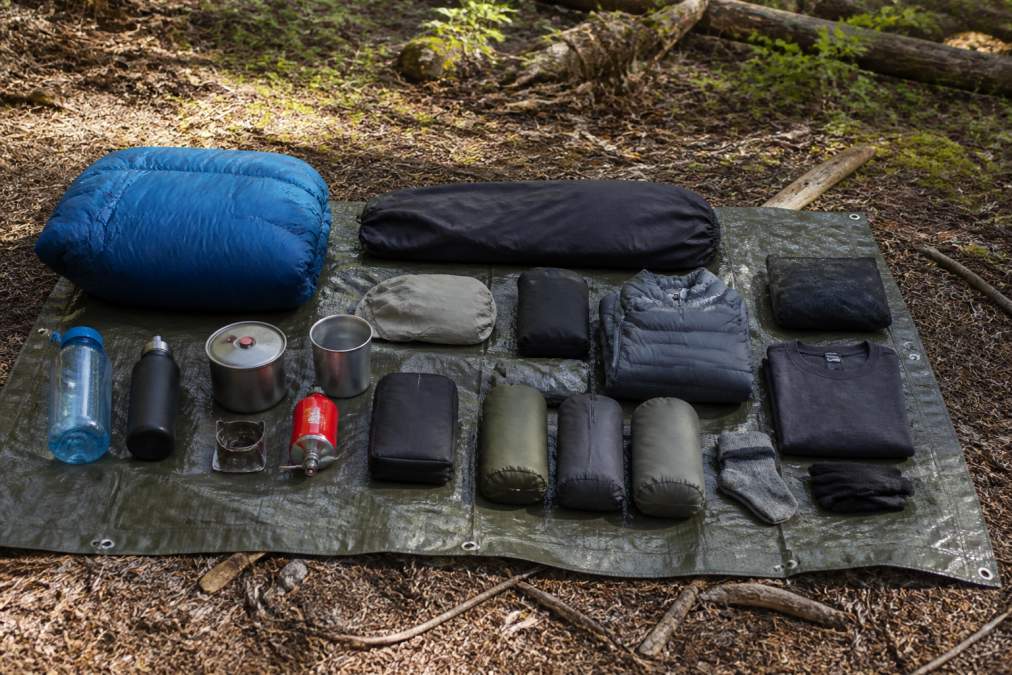
Creating a minimalist camping gear list starts with categorizing your gear into two buckets: essential and luxury. This isn't judgment, it's clarity. Essential items keep you alive and functional. Luxury items improve comfort or convenience. Both have value, but you need to know which is which before you pack.
Essential vs. Luxury Items
Essential gear includes shelter, sleep system, navigation, water treatment, and basic first aid. These items prevent injury, illness, or worse. Everything else, the camp chair, the extra snacks, the luxury toiletries, improves your experience but isn't necessary for safety or function.
The trick is recognizing which items blur the line. A lightweight tarp shelter is essential. A decorative camping flag is luxury. A moisture-wicking base layer is essential; a second pair of shorts is luxury unless your trip spans multiple days with wet conditions. A map and compass (or GPS device) are essential; a detailed guidebook is luxury.
Start by listing only true essentials. Then, if weight allows, add one or two comfort items that genuinely matter to you. A lightweight camping pillow might weigh 3 ounces but transform your sleep quality. That's worth carrying. A second pair of socks that you'll never change into isn't.
Multi-Functional Gear Selection
Multi-functional gear is the cornerstone of lightweight camping. A single item that serves two purposes cuts your pack weight in half compared to carrying two single-purpose items.
Examples of multi-functional gear:
- A lightweight tarp that works as shelter, ground cover, and rain protection
- Merino wool clothing that regulates temperature and manages moisture
- A titanium pot that serves as cookware and water container
- Hiking poles that double as tent supports
- A stuff sack that organizes gear and provides compression
When evaluating gear, ask: "Does this item do one thing, or multiple things?" A sleeping quilt (rather than a traditional sleeping bag) is multi-functional, it works as insulation and can be used as a blanket around camp. A traditional sleeping bag is single-purpose.
GreatAdventureSupply's curated collections emphasize multi-functional equipment designed to perform multiple roles without added weight. When you're choosing between two items of similar weight, the one that serves more purposes wins every time.
How to Reduce Backpack Weight for Camping
Reducing backpack weight happens in layers. You don't cut 15 pounds overnight; you cut 1 pound here, 2 pounds there, until your total load feels manageable. The process requires honest measurement and deliberate choices.
Calculating Weight-to-Utility Ratio
Weight-to-utility ratio is your decision framework. It answers the question: "Is this item worth the weight it adds?"
Here's how to calculate it: Assign a utility score (1-10) to each item based on how essential and useful it is. Then divide that score by the item's weight in ounces. Items with higher ratios are keepers; items with lower ratios are candidates for removal.
Example:
- Lightweight stove (2 oz): utility score 8 → ratio 4.0
- Camp chair (12 oz): utility score 4 → ratio 0.33
- Sleeping quilt (16 oz): utility score 10 → ratio 0.625
- Extra socks (1.5 oz): utility score 2 → ratio 1.33
The stove has the highest ratio, it's essential and light. The camp chair has the lowest ratio, it's nice but heavy. This framework removes emotion from the decision. You're not asking "Do I want this?" You're asking "Does the utility justify the weight?"
Clothing Layering Systems
Clothing is often where campers carry unnecessary weight. A complete layering system for most seasons weighs 3-5 pounds total and replaces a closet full of single-purpose items.
The system works like this: base layer (moisture-wicking synthetic or merino wool), mid-layer (fleece or lightweight down), outer layer (rain jacket and pants). That's it. You wear these items in combination based on temperature and conditions.
Key principles:
- Choose synthetic or merino wool, cotton holds moisture and adds weight
- Wear your heaviest items (jacket, pants) rather than pack them
- One pair of underwear and socks per day, plus one emergency pair
- A lightweight hat and gloves for cold conditions
A complete layering system for three-season camping (spring through fall) weighs less than a traditional wardrobe of separate items. The difference is intentional selection: every piece works with every other piece.
Lightweight Camping Kitchen Essentials
Your camp kitchen doesn't need to be elaborate. In fact, the lighter your kitchen, the more enjoyable your meals become because you're not hauling unnecessary equipment.
A minimal camp kitchen includes: a lightweight pot, a lightweight pan or cooking vessel, a heat source, utensils, and a way to store and prepare food. That's the foundation.
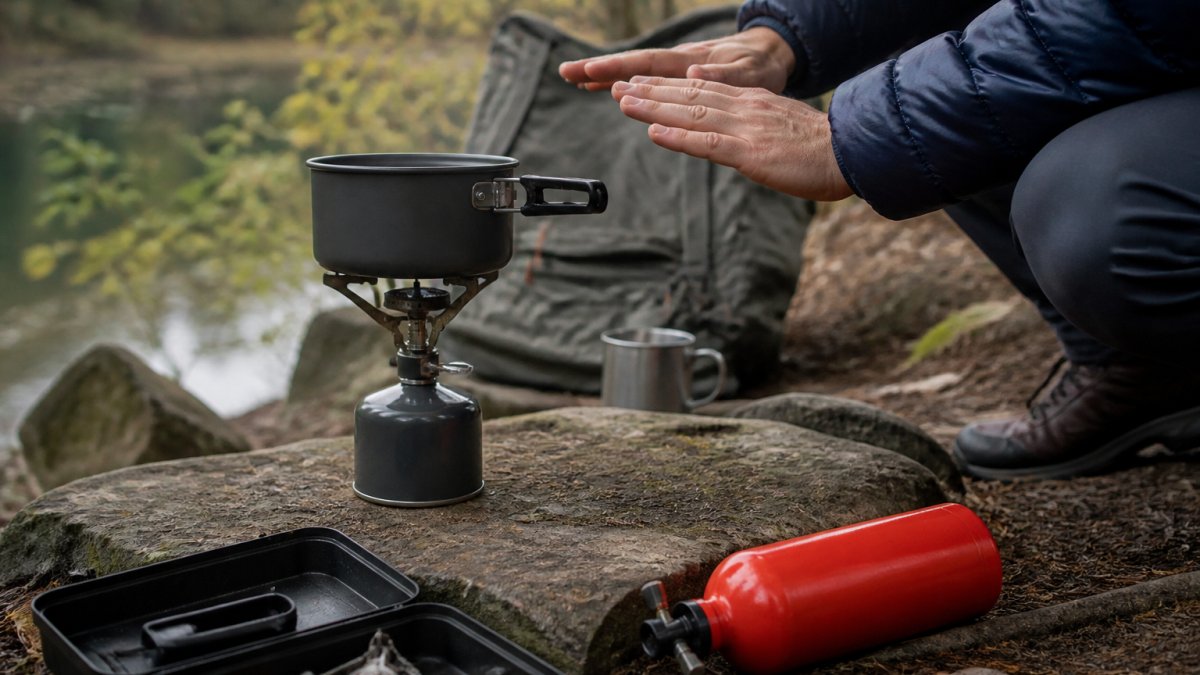
The Integrated Heat Collection Stove System from GreatAdventureSupply is designed specifically for ultralight camping. At just over 2 pounds, it combines a fuel-efficient stove with a heat-collecting ring that reduces cooking time and fuel consumption. This single system eliminates the need for a separate stove and windscreen.
For cookware, choose either aluminum (lightweight, conducts heat quickly, affordable) or titanium (durable, lightweight, expensive). The Ultra-Light Aluminum Camping Cookware Set offers a nestable design that saves space, all pieces fit inside one another for compact storage. At under 2 pounds total, it handles most camp cooking tasks.
Utensils should be minimal: one spoon (for eating and cooking), one lightweight knife, and one cutting board (a small piece of plastic or wood). Food storage uses dry bags or stuff sacks rather than bulky containers.

The philosophy here is simple: cook one-pot meals, eat directly from the pot when possible, and clean with minimal water. Your kitchen isn't a home kitchen, it's a fuel-efficient system for converting food into energy.
Sleeping Systems and Shelter Setup
Your sleeping system (shelter, insulation, and sleeping surface) represents 20-30% of your total pack weight. Getting this right is non-negotiable for both comfort and weight reduction.
Ultralight Sleeping Quilts and Pads
A traditional sleeping bag is inefficient for backpacking. The insulation beneath you gets compressed by your body weight, losing effectiveness. A sleeping quilt solves this by replacing the bottom half with a lightweight pad.
An ultralight sleeping quilt weighs 12-18 ounces and provides the same warmth as a 2-3 pound sleeping bag. The trade-off is that quilts require a sleeping pad (which you need anyway), and they're less versatile if you're sleeping on a couch or in a car. For backcountry camping, they're superior.
A sleeping pad serves two purposes: insulation from ground cold and cushioning for comfort. Ultralight pads weigh 8-16 ounces and pack down to the size of a water bottle. Inflatable pads are lighter than foam pads but require careful handling to avoid punctures.
Together, a quilt and ultralight pad weigh 20-30 ounces, roughly half the weight of a traditional sleeping bag system.
Bivy Sacks and Tarp Shelters
A bivy sack is a lightweight, minimal shelter that wraps around your sleeping bag or quilt. Weighing 8-16 ounces, it provides weather protection without the weight of a tent. The trade-off is minimal space and condensation management.
A tarp shelter is even lighter (6-12 ounces) and more versatile. It can be rigged as a full shelter, a rain fly, or ground cover. Tarp camping requires more skill and site selection, but experienced campers swear by it for weight reduction.
For most recreational campers, a lightweight tent (under 3 pounds) is the best compromise. It offers weather protection, bug protection, and reasonable weight. For ultralight enthusiasts, a tarp shelter or bivy sack cuts weight significantly.
Packing Techniques and Organization
How you pack is as important as what you pack. Poor packing wastes space, makes items hard to access, and distributes weight unevenly. Smart packing saves weight and improves functionality.
Roll-Packing and Compression Methods
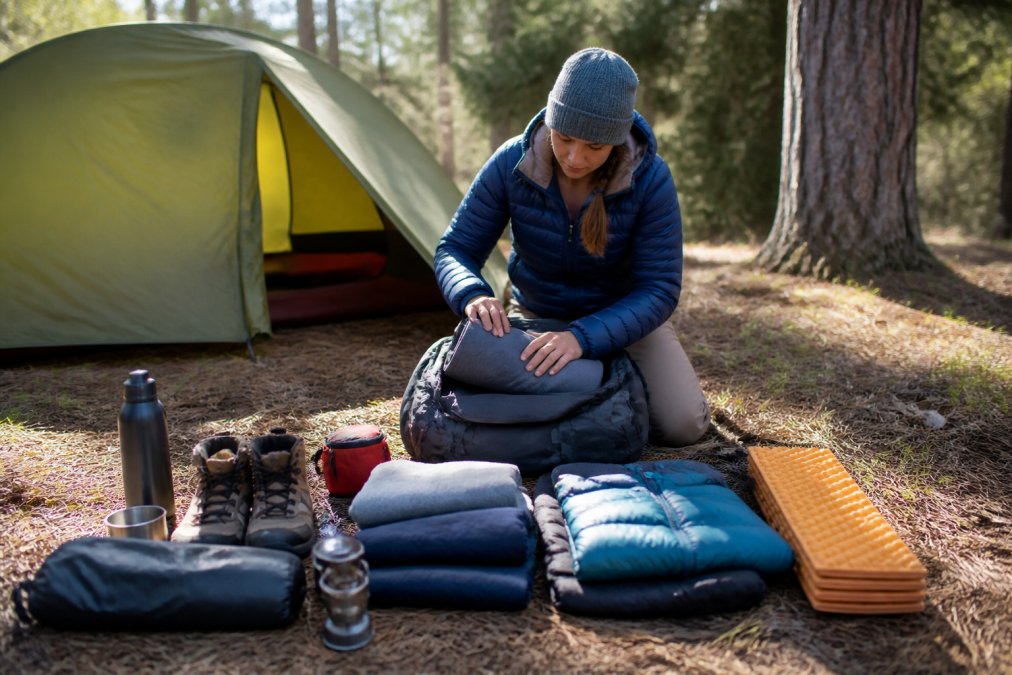
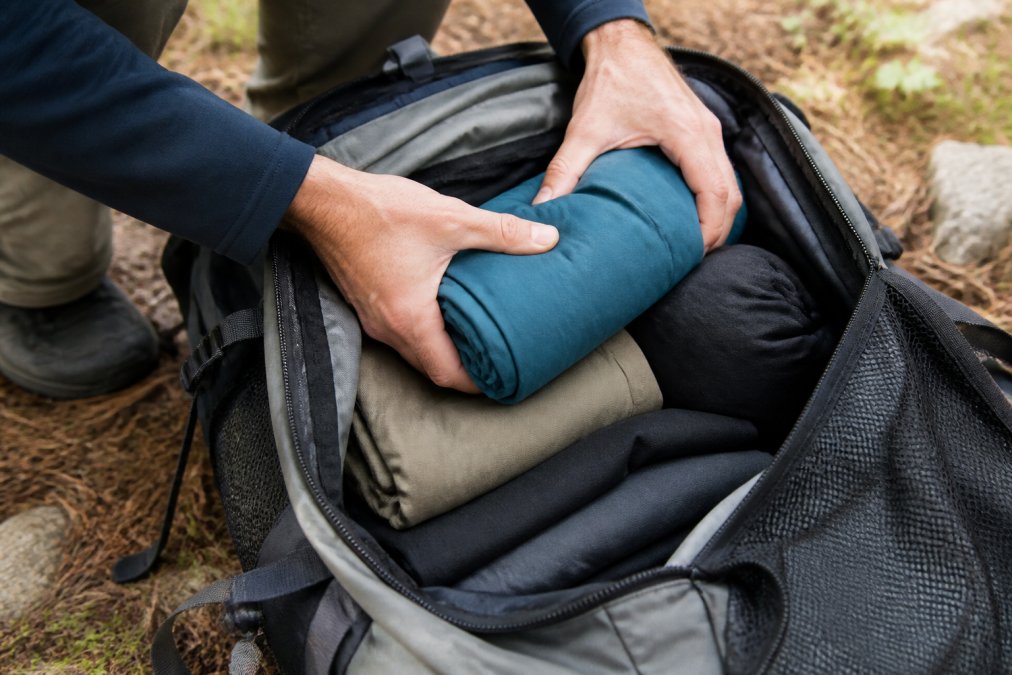
Roll-packing compresses clothing into tight cylinders that stack efficiently. Instead of folding a shirt and laying it flat, you roll it tightly and pack it vertically. This method saves 20-30% of space compared to traditional folding.
Compression sacks take this further. They use a roll-top design to squeeze air out of your gear. The Dry Bags Roll Top Ultralight from GreatAdventureSupply, made from Dyneema composite fabric, compresses gear to a fraction of its original size while keeping items dry and organized.
Compression techniques:
- Roll clothing instead of folding
- Use compression sacks for soft gear (clothing, sleep system)
- Pack heavy items close to your back and mid-pack
- Pack light items on top and at the edges
- Fill gaps with small items (socks, toiletries)
Using Dry Bags for Load Distribution
Dry bags serve two purposes: waterproofing and organization. By dividing your pack into separate dry bags, you distribute weight evenly and make items easy to locate.
A typical system uses three dry bags: one for sleep system, one for clothing, one for food and kitchen. This distribution keeps your center of gravity stable and allows you to remove items without unpacking everything.
Ultralight dry bags like those from GreatAdventureSupply weigh just ounces and compress significantly when empty. They're essential for organizing a minimalist pack without adding meaningful weight.
Conducting a Post-Trip Gear Audit
After every camping trip, conduct a gear audit. This practice reveals what you actually used versus what you carried unnecessarily.
Create a simple checklist: for each item, mark whether you used it, considered using it, or never touched it. Items you never touched are candidates for removal on future trips.
Track weight and utility over multiple trips. You'll notice patterns. Certain items consistently prove valuable; others consistently sit unused. This data-driven approach removes guesswork from your packing decisions.
A post-trip audit also reveals items that underperformed. A sleeping bag that didn't keep you warm, a stove that took too long to boil water, or a shelter that leaked, these failures are valuable information. They tell you what to replace or upgrade.
Over time, your gear list becomes finely tuned to your actual needs and preferences. This is how experienced backpackers achieve minimal pack weight without sacrificing comfort or safety.
Common Mistakes to Avoid When Packing Light
The most common mistake is carrying backup items for hypothetical scenarios. A second water filter "just in case," extra clothing "in case I get wet," or a full first aid kit "in case of emergency." These backups add weight without proportional benefit.
Instead, ask: "How likely is this scenario, and what's the actual consequence if it happens?" A second pair of socks is unlikely to be necessary on a three-day trip, and the consequence of wet feet is discomfort, not danger. A water filter is essential, but a backup filter is overkill.
Another mistake is choosing comfort items that don't align with your priorities. A camping pillow is genuinely useful for sleep quality. A camp chair is nice but heavy. A luxury toiletry kit is excess. Know your priorities and stick to them.
Overpacking "just in case" is the enemy of lightweight camping. You'll always find reasons to carry more. Instead, commit to a specific weight target and make decisions accordingly. If you're at your weight limit, something has to go.
Finally, don't underestimate the importance of gear maintenance. A worn-out sleeping bag that no longer insulates properly becomes dead weight. Regular maintenance keeps your gear functional and prevents the need for backups.
Packing light for camping transforms how you experience the outdoors. A lighter pack means less fatigue, faster movement, and more enjoyment of the trail. The process requires honest assessment of what you need, intentional selection of multi-functional gear, and a willingness to leave comfort items behind.
GreatAdventureSupply simplifies this process by offering carefully selected ultralight gear, from compression dry bags to efficient camp stoves, designed for backpackers serious about reducing weight without sacrificing reliability. Start with the fundamentals outlined here, conduct regular gear audits, and your pack will evolve into a system that works specifically for you. The result is more time enjoying the backcountry and less time hauling unnecessary weight.
Frequently Asked Questions
What is the best way to pack light for camping without sacrificing comfort?
Focus on multi-functional gear that serves multiple purposes, choose lightweight materials like Dyneema and synthetic fabrics, and prioritize items by weight-to-utility ratio. Invest in a quality ultralight sleeping system and shelter, then build around those anchors. Test your setup on short trips before committing to longer expeditions.
How do I build a minimalist camping gear list for different climates?
Start with core items: shelter, sleeping system, cooking gear, and water filtration. For warm climates, reduce insulation layers and use lighter fabrics. For cold weather, prioritize an insulated ground pad and quality sleeping quilt. In wet climates, focus on moisture-wicking materials and dry bags. Use compression sacks to organize by climate zone, and audit your gear after each trip to eliminate unnecessary items that don't perform in your specific conditions.
What lightweight camping kitchen essentials should I bring?
A compact stove system like the Integrated Heat Collection Stove ($53.99) paired with a lightweight pot set is ideal. Consider the Ultra-Light Aluminum Camping Cookware Set ($31.99) for its nestable design and minimal weight. Add a lightweight fuel canister, spork, and collapsible container. Skip full meals; instead, bring dehydrated food and energy bars. Organize everything in dry bags to protect from moisture and keep items accessible during meal prep.
How do I know if my gear will actually hold up on a backcountry trip?
Check product reviews from verified outdoor users and look for field-tested gear with multi-season use reports. Start with shorter trips to identify weak points before committing to week-long expeditions. Invest in quality items from established outdoor brands; ultralight Dyneema dry bags and stainless steel cookware are proven performers. Conduct a gear audit after each trip to spot wear patterns early, and maintain equipment properly between adventures to extend durability.
This article was written using GrandRanker