 how-to
How to Choose the Best Fishing Vest for Anglers
Table of Contents
- Fishing Vest vs. Pack: Which Carry System Works Best
- What to Carry in a Fishing Vest: Essential Gear Organization
- Fishing Vest Fit Guide: Finding Your Ideal Size and Comfort
- Storage Capacity and Pocket Layout That Actually Matter
- Best Fly Fishing Vest Features to Prioritize
- Weight, Breathability, and Durability: The Trade-offs Explained
- Stone Creek Fishing Vest: Your Best Option at $150
- Frequently Asked Questions
Last Updated: October 17, 2026
Fishing Vest vs. Pack: Which Carry System Works Best
A fishing vest keeps gear within arm's reach: pockets surround your torso, so you access fly boxes, nippers, and floatant without removing anything, hands-free.
The trade-off is accessibility versus comfort on longer trips. Vests excel when you move between spots frequently and need instant access to small tools; packs work better when hiking far or carrying heavier gear.
At GreatAdventureSupply, we carry both options because the best fishing vest for one situation might not suit another.

What to Carry in a Fishing Vest: Essential Gear Organization
Organizing your fishing vest means keeping frequently used tools accessible and larger items stored where they won't get crushed.
Start with your front pockets: nippers, floatant, strike indicators, and one or two fly boxes with your current patterns.
Velcro pockets on the sides suit hemostats, forceps, or a small flashlight.
Weight distribution matters: load all your heavy fly boxes on one side and you'll feel unbalanced in the current.
| Gear Type | Best Pocket Location | Why |
|---|---|---|
| Fly boxes (current patterns) | Front pockets | Quick access while fishing |
| Backup fly boxes | Rear compartment | Protected, less frequent access |
| Nippers and floatant | Front pockets | Most-used tools |
| Forceps and hemostats | Velcro pockets or zingers | Instant grab, external clip |
| Extra line and tippet | Rear compartment or side pocket | Organized, protected from water |
| Personal items (phone, keys) | Rear compartment | Secure, away from water contact |
Fishing Vest Fit Guide: Finding Your Ideal Size and Comfort
Fit is where most buyers get it wrong. A vest that fits in the store can still restrict your cast, ride up in the current, or dig into your shoulders after four hours. Use this fit protocol instead of guessing from a size label.
Step 1: Measure for a baseline, then size by the chart, not the label
Measure your chest at the widest point with a soft tape, level under the arms, plus your torso length from the base of your neck to your waistband. Sizing labels aren't standardized across brands: a medium from one maker can fit like a large from another. Always use the brand's published size chart and garment measurements (chest width, back length, armhole circumference) rather than the S/M/L label alone.
Step 2: Fit over the layers you actually fish in
Try the vest on over the clothing you wear on your coldest and warmest typical trips, a base layer plus a fleece or softshell, and separately a light shirt. A vest that fits over a t-shirt may bind over a jacket. Check three things at each layer:
- Shoulder seams sit on top of your shoulders, not sliding toward your neck or hanging off the edge.
- Armholes let you raise your arms overhead and swing them forward without the vest pulling down on your shoulders or twisting across your chest.
- Side straps close to a snug fit with roughly one finger of slack between strap and torso, enough to breathe and layer, not enough to shift when you cast.
Step 3: Run the casting and wading tests
Before you commit, run these checks with the vest loaded as you would fish it:
- Overhead reach: Raise both arms as if setting the hook on a high cast. The vest should not ride up past your waistband or pull the shoulder seams inward.
- Cross-body cast: Simulate a sidearm or roll cast. The armhole on your casting side should not bind or chafe.
- Bend and squat: Bend forward and squat as if netting a fish or picking up a dropped tool. The front hem should not gap open and dump pocket contents.
- Loaded balance: Put your actual fly boxes and tools in the pockets and stand still. The vest should hang level, with no side pulling down or front sagging forward.
Step 4: Check adjustability and extended sizing
Adjustable side straps, and ideally a waist or sternum adjustment, let you fine-tune fit across layers and seasons. If you need extended sizing, look for a brand that publishes a true size range rather than a single "one size fits most" cut. The Stone Creek Fishing Vest, for example, is offered from small through 5X-large with adjustable side straps, so you can dial in fit without jumping to a baggy size.
Step 5: Watch for the three most common fit failures
- Restricted casting: usually caused by armholes that are too small or shoulder seams set too narrow. If you feel tension across the upper back at the top of your cast, the vest is fighting you.
- Shoulder strain: caused by carrying too much weight high on the shoulders or by a vest with unpadded or poorly placed shoulder straps. Padded shoulder panels and even weight distribution help.
- Unbalanced load: caused by loading heavy fly boxes on one side. Even with a good fit, distribute weight symmetrically left-to-right and keep the heaviest items low and close to your body.
Storage Capacity and Pocket Layout That Actually Matter
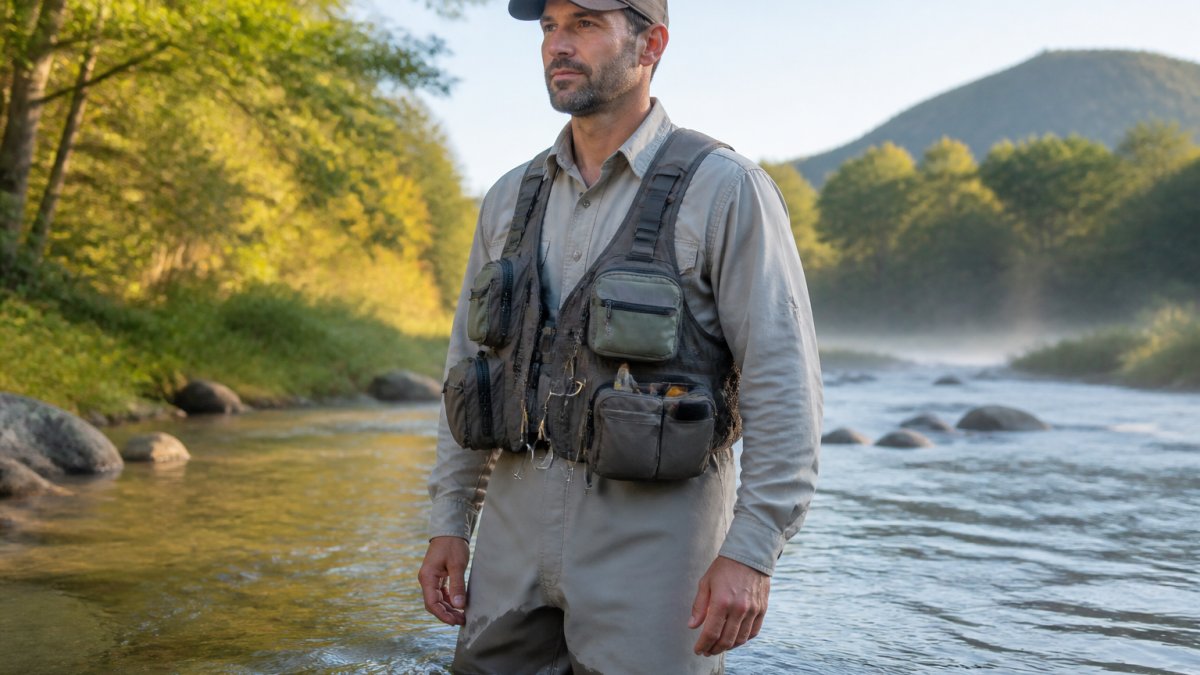
Storage capacity means nothing if your pockets are poorly designed. A vest with 10 pockets but no organization is worse than one with 5 well-placed pockets.
Look for a mix of pocket types.
Pocket size matters too.
The best fishing vest balances capacity with accessibility. You want enough pockets to stay organized but not so many that you can't find what you need quickly.
Consider how you fish.
Best Fly Fishing Vest Features to Prioritize
When comparing fishing vests, focus on features that affect how you fish and how long you can fish comfortably.
Breathability matters on warm days.
Durability determines how long your vest lasts.
Comfort during all-day wear is non-negotiable.
Tool attachment points separate functional vests from basic ones.
Weight matters less than comfort for most anglers, but a lighter vest reduces fatigue during extended trips.
Weight, Breathability, and Durability: The Trade-offs Explained
The best fishing vest balances three competing demands: low weight, staying cool, and lasting through years of use. The right balance depends on whether you fish freshwater or saltwater and how you care for the vest between trips.
The three-way trade-off, in plain terms
- Lightweight polyester: comfortable, affordable, dries fast, and works well for most freshwater fishing. The trade-off is durability, lightweight fabric can tear or puncture more easily, and zippers and seams take more stress when loaded.
- Breathable mesh construction: mesh backs and side panels circulate air and keep you cool on warm days. The trade-off is protection, full mesh offers less wind and spray protection and less insulation in cold water. A hybrid design (mesh in high-heat zones, solid fabric elsewhere) is a common compromise.
- Heavy-duty nylon: resists abrasion, salt spray, and rough handling, and protects gear better. The trade-off is weight and warmth, a heavier vest can feel tiring over a full day of casting. For anglers who fish frequently in harsh conditions, the durability often justifies the weight.
Freshwater versus saltwater: material and hardware choices
Saltwater is the harshest environment a vest sees: salt crystals abrade fabric and accelerate corrosion on zippers, D-rings, snaps, and any metal hardware. If you fish saltwater or brackish water even occasionally, prioritize:
- Corrosion-resistant hardware: look for stainless steel or coated metal zippers, D-rings, and snaps rather than plain steel or cheap pot-metal hardware that pits and seizes.
- Rinse-friendly construction: sealed or coated zippers and reinforced seams hold up better to repeated freshwater rinsing.
- Heavier fabric in high-wear zones: 600D-and-up nylon in abrasion areas (shoulders, hem, pocket edges) resists salt and rock contact better than lightweight polyester.
For freshwater-only anglers, lightweight polyester and hybrid mesh vests are usually the better value: they dry fast, weigh less, and cost less to replace if damaged.
The care routine that protects your investment
A simple after-trip routine dramatically extends vest life, especially in saltwater:
- Rinse after saltwater or muddy trips: flush the vest with fresh water, pay attention to zippers, D-rings, and pocket seams where salt and grit collect. Do not machine wash unless the manufacturer says it is safe.
- Dry fully before storage: empty every pocket, open zippers, and hang the vest to dry in the shade. Storing a damp vest promotes mildew and corrodes hardware.
- Check closures and seams each season: test zippers, snaps, and strap buckles; look for frayed seams or worn pocket edges and repair them before they fail on the water.
- Lubricate metal zippers sparingly: a zipper lubricant or wax designed for outdoor gear keeps saltwater-exposed zippers moving smoothly.
How to judge lifetime value
Price alone does not tell you value. Compare vests on cost per season: a $150 vest that lasts five seasons costs about $30 per season, while a $60 vest that fails after two seasons costs about the same and leaves you replacing gear mid-trip. Weigh durability features (hardware quality, reinforced high-wear zones, zipper type) against your fishing frequency and environment.
Stone Creek Fishing Vest: Your Best Option at $150
The Stone Creek Fishing Vest from GreatAdventureSupply is our top recommendation for anglers who want a functional, durable vest without unnecessary complexity or cost.
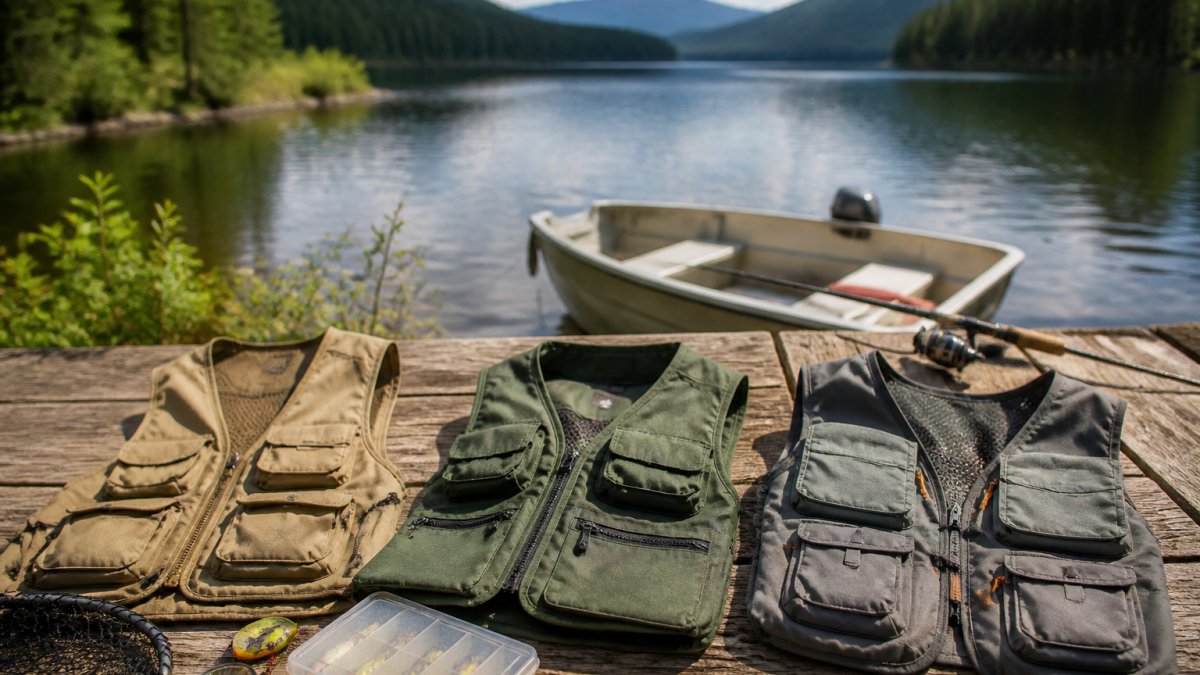
This vest is constructed from lightweight polyester in a classic charcoal and sage color combination.
The pocket layout is thoughtfully organized. Five zippered storage pockets keep fly boxes and gear secure.
The Stone Creek Vest works equally well for fly fishing and spin fishing, on rivers, lakes, streams, and stillwater fisheries.
Choosing the right fishing vest comes down to understanding your fishing style and what gear you actually need on the water. With adjustable fit, smart pocket organization, and durable lightweight construction, it's built for anglers who want their gear to work as hard as they do. Add to Cart and start your next fishing trip organized, comfortable, and ready.
Frequently Asked Questions
What should you look for when buying a fishing vest?
Look for adjustable side straps for a customized fit, multiple zippered and Velcro pockets for organizing tackle and tools, lightweight construction for all-day comfort, and a rear compartment for larger items. Prioritize storage capacity that matches your fishing style, breathable mesh panels if you fish in warm conditions, and durable materials like polyester that withstand water and repeated use. The Stone Creek Fishing Vest at $150 includes all these features.
How do you know if a fishing vest fits you?
A proper fit means the vest sits comfortably on your shoulders without bunching, side straps adjust snugly around your torso without restricting arm movement, and you can reach all pockets easily while casting. The vest should not shift or ride up when you bend forward or make casting motions. GreatAdventureSupply's Stone Creek vest comes in sizes from Small to 5X-Large with adjustable straps, allowing you to dial in a custom fit for your body type.
Is a fishing vest or pack better for anglers?
A fishing vest keeps gear accessible and organized across your chest and torso, leaving your hands free and allowing quick access to fly boxes, nippers, and tools without removing anything. A fishing pack or backpack works better for longer trips where you need to carry more weight distributed across your shoulders and back. Vests excel for wade fishing and short outings; packs suit extended expeditions or situations where you're hiking between fishing spots.
What are the best clothes to wear when fishing?
Wear breathable, moisture-wicking layers that dry quickly, as wet cotton clings to your skin and causes heat loss. Layer with a lightweight vest on top for storage and protection. Choose earth-tone or neutral colors to avoid spooking fish. A fishing vest like the Stone Creek model provides ventilation through mesh panels, keeping you cool during active fishing while protecting you from sun and light rain.