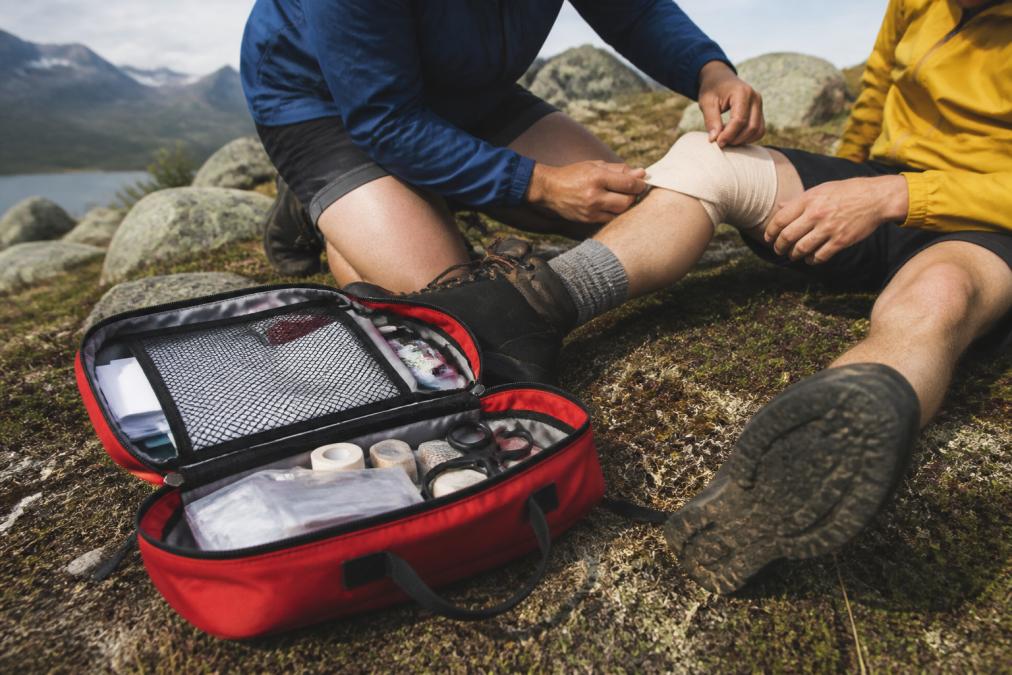
 ultimate-guide
Why You Need a First Aid Kit for Wilderness Expeditions
Table of Contents
- The Real Cost of Being Unprepared in the Backcountry
- Essential Wilderness First Aid Kit Checklist for Every Trip
- How to Build a Custom Wilderness Medical Kit
- Wilderness First Aid Training Requirements and Why They Matter
- Weight vs. Comprehensiveness: Finding the Right Balance
- Common Backcountry Injuries and How Your Kit Handles Them
- Psychological First Aid in Remote Settings
- Post-Expedition Kit Audit and Restocking
- Frequently Asked Questions
Last Updated: September 19, 2026
The Real Cost of Being Unprepared in the Backcountry
A twisted ankle two miles from the trailhead is a nuisance. The same injury eight miles out, after dark, with no way to stabilize it, becomes a rescue operation. That gap between inconvenience and emergency is exactly why you need a first aid kit for wilderness expeditions, and it's the gap this guide from GreatAdventureSupply is built to close.
Essential Wilderness First Aid Kit Checklist for Every Trip
The core of any wilderness first aid kit checklist is wound care and trauma management, because cuts, blisters, and sprains dominate backcountry injury reports. Build outward from there.
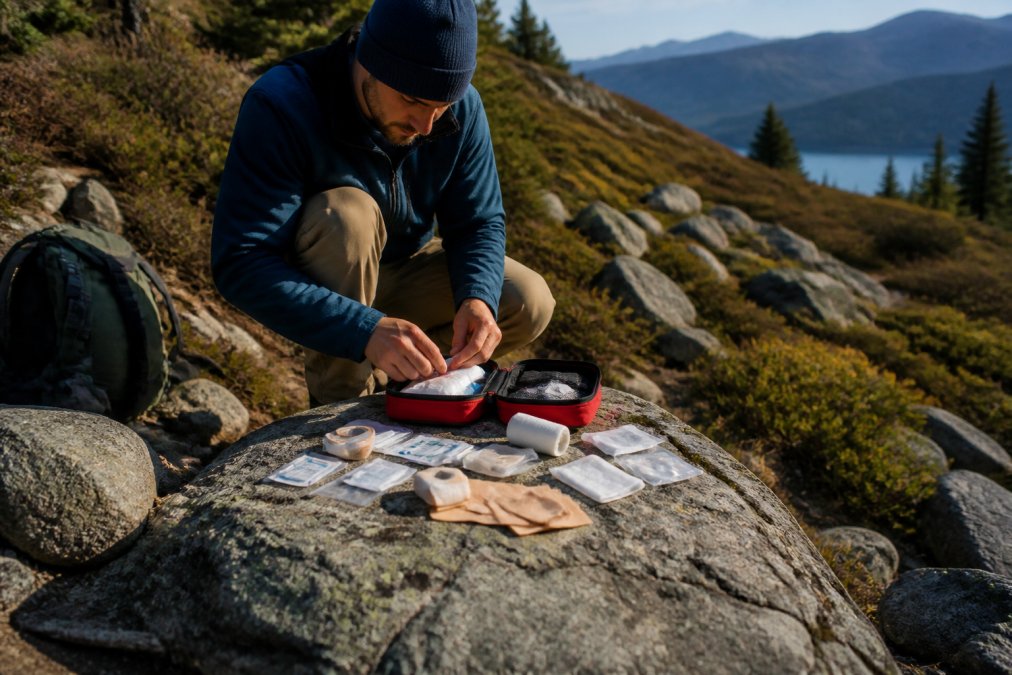
Core Supplies for Wound Care and Trauma
Start with the items you'd reach for in the first five minutes:
- Sterile gauze pads and rolled gauze for wound care and packing
- Adhesive bandages in multiple sizes, plus blister-specific dressings
- Medical tape, elastic wrap, and trauma shears
- Antiseptic wipes and an irrigation syringe for cleaning wounds
- Nitrile gloves, at least four pairs
- A tourniquet and hemostatic gauze for severe bleeding
- Splinting materials: SAM splint or rigid cardboard, plus cravats
Medications and Personal Items
Prescription medications, antihistamines, pain relievers, and electrolyte tablets belong in a labeled pouch. Add a written medication list for each group member with dosages and allergies.
How to Build a Custom Wilderness Medical Kit
Building a custom wilderness medical kit means matching contents to your group size, trip duration, and environment, not copying someone else's packing list. The two steps below take about an hour the first time.
Step 1: Assess Your Group and Environment
Count your people and your days. A two-person overnight trip needs far less than a six-person, five-day expedition. Note chronic conditions, allergies, and the youngest and oldest members.
Step 2: Choose the Right Container and Organize
Pick a waterproof container with clear internal zones. Group items by function: bleeding, blisters, medications, splinting, and tools. Label each zone with tape.
| Trip Type | Group Size | Kit Priority | Container |
|---|---|---|---|
| Day hike | 1-2 people | Blister care, bandages | Belt pouch |
| Weekend camp | 3-4 people | Wound care, splinting | Soft case |
| Multi-day expedition | 5+ people | Trauma, medications, hypothermia | Hard waterproof case |
Wilderness First Aid Training Requirements and Why They Matter
Wilderness first aid training requirements typically start with a standard first aid and CPR certification, then extend to wilderness-specific courses covering delayed evacuation. No certification is legally required for most recreational trips on public land, but the skills gap shows up fast in the field, and some land managers, guide services, and organized youth programs do require proof of certification before they'll issue a permit or let you lead a group.
The Certification Ladder
Most wilderness medicine providers build on the same three rungs:
- Standard First Aid and CPR/AED, the baseline most employers, schools, and volunteer organizations recognize. Covers bleeding control, CPR, choking, and basic medical emergencies in an urban setting with EMS minutes away.
- Wilderness First Aid (WFA), typically a 16- to 20-hour course, often run over a weekend. Adds patient assessment, spinal precautions, wound cleaning in the field, and the decision of whether to evacuate or stay put.
- Wilderness First Responder (WFR), typically 70 to 80 hours over 8 to 10 days. The standard for trip leaders, guides, and anyone spending extended time more than a day from definitive care. Covers long-term patient care, improvised splinting and traction, and evacuation planning.
What the Courses Actually Teach That a Kit Cannot
The gap between a stocked bag and competent care comes down to a handful of repeatable skills:
- Patient assessment systems, a structured head-to-toe exam you can run in the dark, in the rain, with one working headlamp.
- Vital signs and trending, pulse, respiration, level of consciousness, and skin signs recorded over time. A single reading tells you little; a trend tells you whether the patient is compensating or decompensating.
- The evacuation decision, the single most consequential call in wilderness medicine. Training teaches you to weigh the patient's condition, the terrain, the weather, the group's capability, and the time to help.
- Improvisation with intent, using a trekking pole and a sleeping pad as a splint, or a shirt as a wound dressing, because you understand the principle behind the manufactured item.
- Scene safety and infection control, gloves, hand hygiene, and sharps handling when you cannot wash your hands for hours.
Recertification and Currency
Most wilderness certifications expire after two to three years, and CPR certifications typically after two. Recertification usually requires a shorter refresher course rather than the full original length. The practical reason to stay current isn't the card, it's that skills decay without rehearsal, and the assessment sequence you learned two years ago will not come back cleanly under stress.
Weight vs. Comprehensiveness: Finding the Right Balance
Weight optimization in a backcountry medical kit comes down to one question: what can you improvise, and what can you not? Gauze can be substituted with a clean shirt. A tourniquet cannot.
- Duplicate only what you'd use twice: tape, gloves, bandages
- Leave out bulky packaging and repack into zip pouches
- Split the load across the group instead of one heavy bag
- Weigh the kit before every major trip and cut what you didn't touch last time
The Biome Override: Why Environment Rewrites the List
Here's the angle most kit guides skip. The weight-versus-comprehensiveness calculation is not universal, it changes with the biome you're entering. Two kits of identical weight can be wildly mismatched to their terrain. Before you cut a single item, match the kit to the environment.
Desert and arid canyon country
- Water and electrolyte replacement outrank almost everything else. Pack oral rehydration salts and electrolyte tablets in quantities that assume a lost or contaminated water source.
- Irrigation supplies go up, not down. Wounds in dry, dusty environments get grit and sand in them, and a syringe plus extra saline earns its weight.
- Add sunburn and heat-illness supplies: broad-spectrum sunscreen, a cooling bandana, and a way to shade a patient.
- Cut cold-weather items. An emergency blanket still belongs in the kit, but a hypothermia wrap does not.
Alpine and high-altitude terrain
- Hypothermia and frostbite prevention move to the top. Pack a full emergency bivvy or reflective blanket, not a foil square.
- Add a wound-closure option, butterfly closures or skin adhesive, because evacuation from altitude is slow and a gaping wound needs to hold.
- Include a small amount of high-calorie food and a way to melt snow for a patient who cannot move.
- Weight budget goes up. Alpine kits run heavier because the consequences of underpreparing are measured in hours of exposure.
Tropical and humid environments
- Fungal and bacterial skin infections are the dominant non-trauma complaint. Add antifungal cream and more antiseptic than you think you need.
- Waterproof everything. Humidity destroys paper packaging, adhesive tape, and sterile seals. Vacuum-seal or double-bag the kit.
- Include insect bite treatment and antihistamines, allergic reactions to stings escalate fast when help is far away.
- Cut bulky splinting materials if the terrain is soft and you can improvise with vegetation, but keep a SAM splint if you're on rock or in a canyon.
Temperate forest and coastal
- The most balanced kit. Standard wound care, blister care, and splinting cover the majority of incidents.
- Add tick removal tools and a way to document a bite, since tick-borne illness is a delayed-onset problem that outlasts the trip.
- Coastal trips add marine sting and shell-cut supplies: irrigation, tweezers, and a topical antibiotic.
A Practical Weight Rule
Weigh the kit, then weigh the consequences. If cutting 4 ounces means you cannot control bleeding or treat hypothermia in the environment you're entering, you didn't optimize, you gambled. The biome determines which ounces are load-bearing.
Common Backcountry Injuries and How Your Kit Handles Them
Cuts, burns, blisters, sprains, and hypothermia account for the vast majority of backcountry medical incidents. Each one maps to a specific part of your kit, which is why organization beats volume.
Psychological First Aid in Remote Settings
Psychological first aid is the practice of stabilizing a distressed or panicked person before, or alongside, physical treatment. Most kit lists ignore it entirely, and that's a mistake.
Post-Expedition Kit Audit and Restocking
A post-expedition audit takes ten minutes and prevents the worst outcome in wilderness medicine: reaching for a supply that isn't there. Do it before the kit goes back on the shelf.
- Replace every used item, including tape and gloves
- Check expiration dates on medications and antiseptics
- Inspect for moisture damage inside the container
- Restock blister dressings and gauze, the two fastest-depleting items
- Note what you wished you'd had, and add it
Frequently Asked Questions
What should you have in a wilderness first aid kit?
A wilderness first aid kit should include sterile dressings, gauze pads, adhesive bandages, medical tape, antiseptic wipes, trauma shears, an irrigation syringe, and a tourniquet. Add blister management supplies, splinting materials, and any personal medications. For remote trips, include a CPR mask and emergency blanket. The 47-piece survival kit from GreatAdventureSupply covers many of these basics with first aid supplies, a CPR mask, and an emergency blanket in one portable pouch.
Is wilderness first aid worth it?
Wilderness first aid training is worth it because help can be hours or days away in remote areas. A certified course teaches you to assess vital signs, manage trauma, and make evacuation decisions when you cannot call 911. Without training, even a well-stocked kit only goes so far. The skills let you stabilize a patient, prevent hypothermia, and make confident calls under pressure, which matters more than any single piece of gear.
How do you customize a first aid kit for long-term expeditions?
Customize by matching kit contents to your group size, trip duration, and environment. For a week-long trip with four people, add extra sterile dressings, a larger irrigation syringe, and more blister care supplies. For cold biomes, include additional hypothermia prevention items like emergency blankets. For desert trips, pack more irrigation fluid and wound care supplies. Start with a core kit, then add or remove items based on your specific route and activities.
What are the most common injuries treated in the backcountry?
The most common backcountry injuries are cuts, burns, blisters, and sprains. Blister management is especially critical on multi-day hikes, so pack moleskin or blister bandages. Cuts and scrapes need thorough irrigation and sterile dressings to prevent infection. Burns from camp stoves or fires require antiseptic wipes and non-stick gauze. Sprains need splinting materials and medical tape. A kit with these supplies handles the majority of trail injuries without a clinic visit.
The hardest part of wilderness preparedness isn't buying gear, it's committing to the audit, the training, and the honest assessment of what your group actually needs. GreatAdventureSupply curates durable kits with multifunctional tools, portable containers, and first aid supplies that hold up trip after trip, all in one place. Get started with GreatAdventureSupply and build a kit you can trust when the trailhead is far behind you.