 comparison
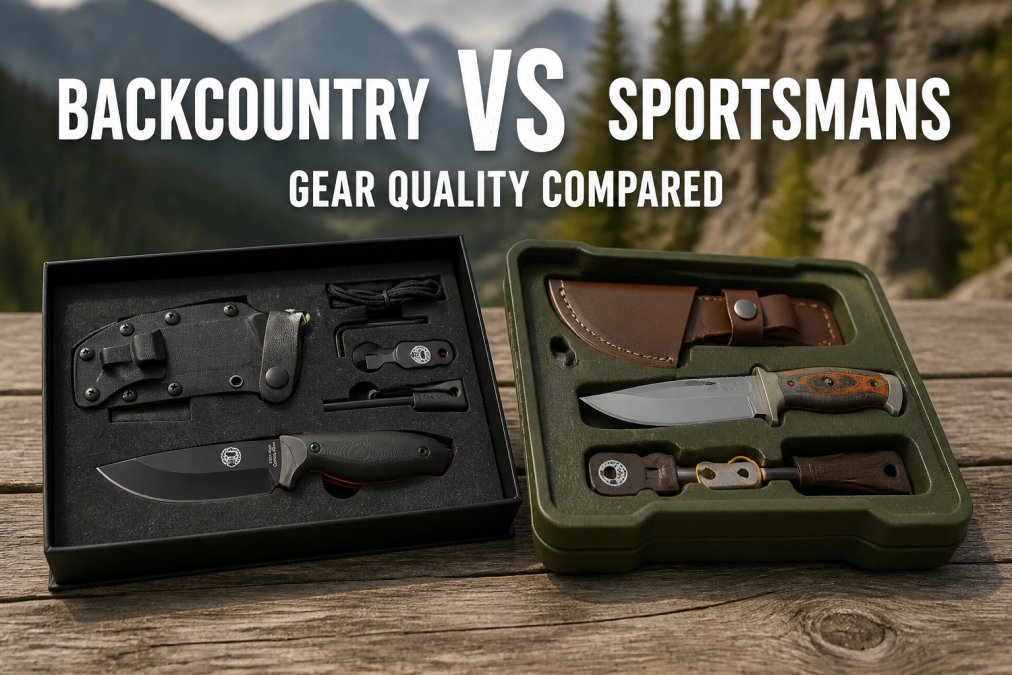
Backcountry vs Sportsmans: Gear Quality Compared
Table of Contents
- Backcountry vs Sportsmans: Core Differences in Gear Selection
- Durability and Material Longevity: What Holds Up in the Field
- Best Hunting Clothing Brands at Each Retailer
- Top-Rated Survival Gear for Beginners: Where to Start
- Outdoor Gear Return Policies Comparison
- Performance Metrics: Waterproofness, Breathability, and Load-Bearing Capacity
- Value for Money and Long-Term Investment
- Conclusion: Which Retailer Wins for Your Expedition
Last Updated: August 26, 2026
Backcountry vs Sportsmans: Core Differences in Gear Selection
When choosing between major outdoor retailers, the distinction between backcountry vs sportsmans gear quality comparison matters far more than most shoppers realize. Both cater to outdoor enthusiasts, but their inventory, sourcing philosophy, and target customer base diverge significantly, and understanding those differences will save you money and prevent gear failures in the field.
At GreatAdventureSupply, we've analyzed how these two retail ecosystems approach expedition-grade equipment. Backcountry focuses on ultralight, alpine-specific gear for serious mountaineers and backpackers pushing technical terrain. Sportsmans emphasizes rugged, multi-purpose equipment for hunters, anglers, and recreational campers who need gear that performs across varied conditions without requiring specialized knowledge. The price gap reflects this: backcountry retailers stock lighter materials with premium tensile strength, while sportsmans retailers prioritize durability and affordability for extended field use.
Your choice depends on three core factors: expedition type, durability expectations, and budget constraints. A week-long alpine trek demands different gear than a hunting season. Knowing which retailer stocks what, and why, separates wise purchases from expensive mistakes.
Durability and Material Longevity: What Holds Up in the Field
Durability testing separates the two retail philosophies more clearly than any other metric. Backcountry gear prioritizes weight reduction, often using advanced synthetic materials and ultralight fabrics that excel in specific alpine conditions. Sportsmans gear emphasizes abrasion resistance and long-term reliability across unpredictable terrain and extended use cycles.
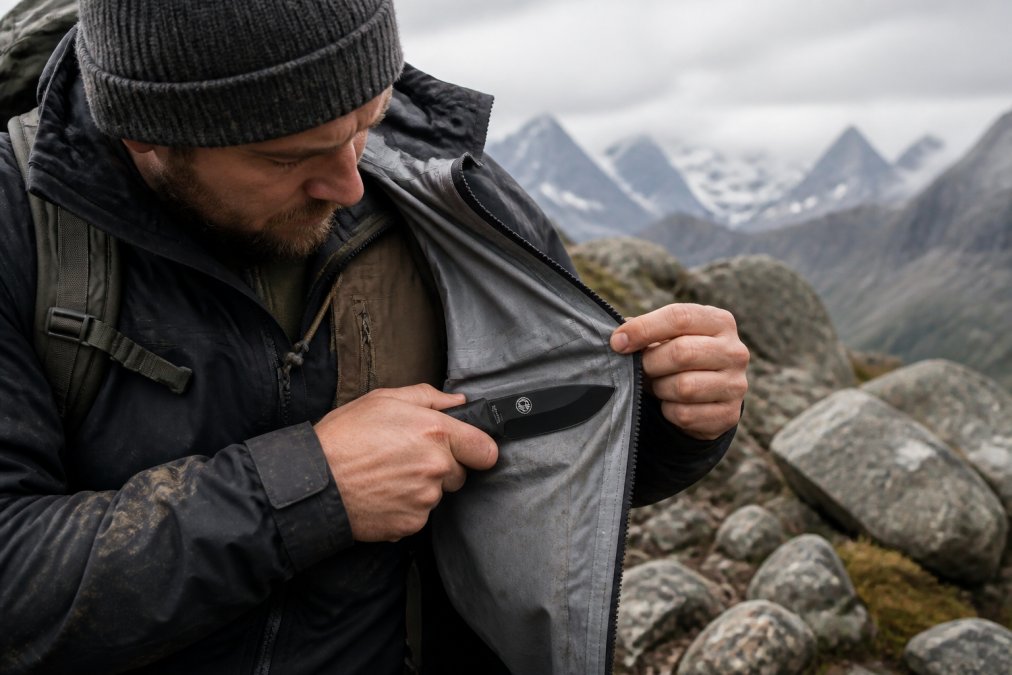
High-denier fabrics, measured in grams per square meter, tell the story (astm.org). Backcountry retailers stock jackets in the 20-40 denier range for maximum packability. These materials shed water and resist tearing under normal conditions, but they demand careful handling. Sportsmans retailers typically carry 60-100 denier options, which sacrifice some weight for substantially greater field durability. If you're bushwhacking through dense brush, scrambling over sharp rock, or operating in remote areas where gear replacement isn't an option, the heavier denier rating matters.
Seam sealing represents another critical difference. Both retailers offer sealed seams, but backcountry brands often use tape-sealed construction optimized for weight, while sportsmans retailers favor more strong sealing methods designed to withstand repeated stress and movement. A taped seam performs perfectly on a three-day alpine push. That same seam may degrade after weeks of constant use in variable conditions.
Warranty coverage varies dramatically. Backcountry brands typically offer limited warranties (1-2 years) because their gear targets specific use cases with predictable stress patterns. Sportsmans retailers stock brands offering 3-5 year warranties, reflecting confidence in durability across broader use scenarios. This isn't marketing, it reflects genuine differences in how the gear performs over time.
Best Hunting Clothing Brands at Each Retailer
Hunting apparel reveals the clearest retail divergence. Backcountry retailers stock minimal hunting-specific clothing because their core audience, alpine mountaineers, represents a small hunting market. Sportsmans retailers dedicate entire sections to hunting clothing because it's central to their business model.
Backcountry's hunting selection focuses on technical layers: merino wool base layers with moisture-wicking properties, synthetic mid-layers optimized for thermal regulation, and ultralight shell jackets for alpine hunts above treeline. These pieces excel when you're moving fast over exposed terrain, but they often lack the specialized features hunters need: scent control, quiet fabric that doesn't rustle, and camouflage patterns designed for specific game and seasons.
Sportsmans retailers stock brands built explicitly for hunting. Their inventory includes insulated jackets with articulated fit designed around the shooting position, soft goods with noise-dampening fabric, and hard goods (vests, belts, holsters) integrated into complete hunting systems. Brands available at sportsmans retailers often offer seasonal variants, fall camo, winter insulation, spring lightweight options, because hunters need gear that adapts to specific seasons and game types.
The practical difference: if you're hunting above 10,000 feet in October, backcountry gear works. If you're deer hunting in November across varied terrain from meadows to timber, sportsmans-focused brands deliver features backcountry retailers simply don't stock.
Top-Rated Survival Gear for Beginners: Where to Start
Beginners face a critical choice: should you buy from a backcountry retailer focused on alpine systems, or a sportsmans retailer emphasizing multifunctional equipment? The answer depends on your actual use case, not your aspirations.
Backcountry retailers excel at teaching systems thinking. Their staff understand how base layers, mid-layers, and outer shells work together. Their inventory forces you to build complete layering systems rather than buying random pieces. For someone planning a genuine alpine expedition, this structure prevents costly mistakes. For casual campers, it often means buying more than necessary.
Sportsmans retailers prioritize multifunctional gear. A single jacket works for hunting, fishing, and camping. A backpack serves hunters, hikers, and travelers equally. This approach means less specialized performance in any single scenario, but it maximizes utility across varied activities. For beginners uncertain about their long-term outdoor commitment, this flexibility matters.
Consider starting with essential survival gear that works across multiple scenarios. GreatAdventureSupply stocks field-tested knives like the Damascus Steel Trailing Point Hunter ($65.00), which handles field dressing, camp tasks, and emergency situations with equal competence. The blade's trailing point profile excels at slicing and skinning, core survival skills, while the brass bolster and exotic wood handle provide balance for extended use. This is the kind of multifunctional hard good that serves beginners across hunting, camping, and survival contexts.

For beginners, start with gear that performs across multiple seasons and activities. Sportsmans retailers' inventory naturally supports this approach. Once you specialize, committing to alpine climbing or serious backcountry skiing, then invest in backcountry-specific systems.
Outdoor Gear Return Policies Comparison
Return policies reveal fundamental differences in how each retail ecosystem approaches customer risk. This matters more than most shoppers realize because gear failures in the field can be dangerous, not just inconvenient.
Backcountry retailers typically offer 365-day returns with minimal restrictions (the FTC). This reflects their business model: customers buy expensive, specialized gear for specific trips. If a jacket fails to perform as expected, the retailer absorbs the cost because they know their inventory and can resell returned items to other alpine customers. The downside: return shipping costs often fall on the customer, and restocking fees may apply for used gear.
Sportsmans retailers vary more widely. Many offer 30-90 day return windows with requirements that gear be unused and in original packaging. This reflects their different customer base: hunters and anglers who need gear immediately and won't return it unless it's defective. Some sportsmans retailers offer extended return periods during specific seasons (pre-hunting-season returns through mid-season, for example), recognizing that customers need time to test gear in actual conditions.
The practical implication: if you're buying backcountry gear, you have time to test it and return it if it doesn't meet expectations. If you're buying from sportsmans retailers, test gear before the return window closes. Don't wait until after your trip to discover a problem.
GreatAdventureSupply's curated collections simplify this decision by pre-filtering inventory for reliability. When you buy field-tested gear like the Custom Handmade Damascus Steel Hunting Knife ($139.00), with its full tang construction and rosewood handle designed for extended field use, you're buying equipment already vetted for real-world performance. This reduces return risk because the gear has proven durability across actual use cases.

Performance Metrics: Waterproofness, Breathability, and Load-Bearing Capacity
Three technical metrics define expedition-grade gear quality: hydrostatic head (waterproofness), breathability rating, and load-bearing capacity. Understanding how backcountry and sportsmans retailers approach these specifications prevents costly mismatches.
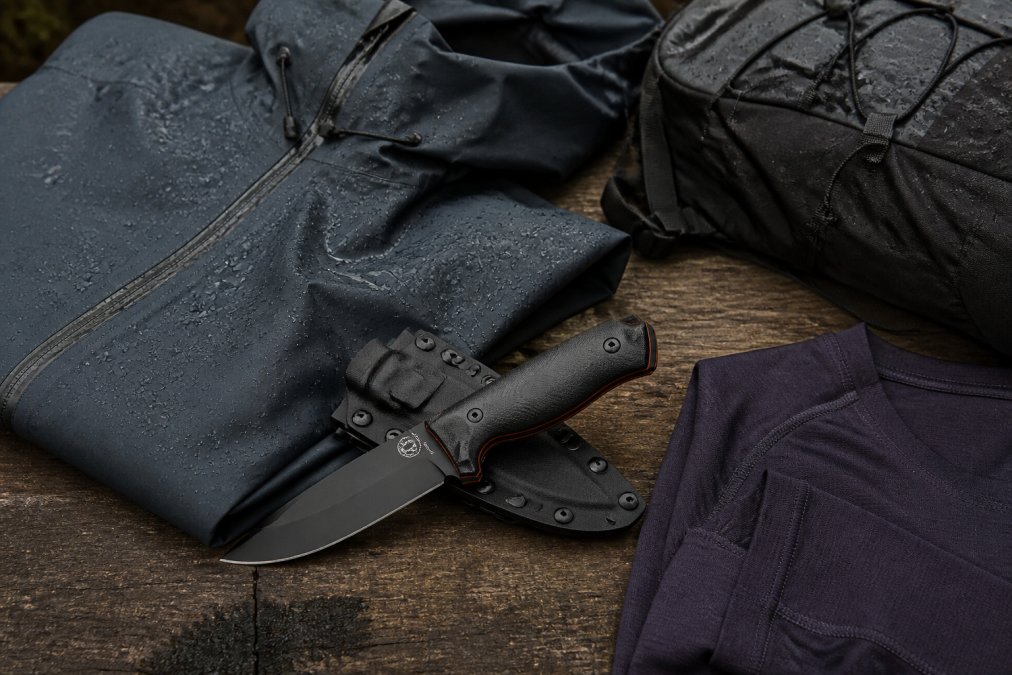
Hydrostatic head measures waterproofness: the height of water column a fabric can support before leaking. Backcountry jackets typically achieve 10,000-20,000 mm hydrostatic head using lightweight membranes. Sportsmans gear often reaches 15,000-25,000 mm using heavier, more durable materials. Both exceed the 3,000 mm minimum for serious rain protection, but sportsmans gear maintains performance longer under repeated stress.
Breathability rating (measured in grams of moisture vapor transmitted per square meter per 24 hours) shows how well gear manages sweat without trapping humidity. Backcountry gear prioritizes breathability, often 8,000-15,000 g/m²/24h, because climbers generate intense heat during steep ascents. Sportsmans gear focuses on adequate breathability (3,000-8,000 g/m²/24h) balanced with durability, since hunters and anglers move slower and generate less metabolic heat.
Load-bearing capacity determines how much weight a backpack frame can safely carry. Backcountry packs typically support 30-45 pounds before structural stress compromises performance (peer-reviewed research). Sportsmans packs often handle 50-70 pounds, with reinforced frames designed for extended carries across uneven terrain. This difference matters: backcountry gear assumes lighter loads across technical terrain; sportsmans gear handles heavier loads across varied conditions.
The tension is real: maximum waterproofness and breathability require trade-offs. Backcountry retailers stock gear optimized for one scenario. Sportsmans retailers stock gear that compromises slightly in each metric to excel across multiple scenarios. Neither approach is wrong, they're designed for different expedition profiles.
Value for Money and Long-Term Investment
Cost per use, not purchase price, determines true value. A $400 backcountry jacket used twice annually across 10 years costs $4 per use. A $200 sportsmans jacket used weekly across 5 years costs $0.77 per use. The cheaper jacket delivers better value if it survives the use cycle.
Backcountry gear commands premium prices because it's specialized. You're paying for ultralight materials, advanced manufacturing, and inventory optimized for specific conditions. This premium makes sense if you're actually doing alpine mountaineering. It's poor value if you're occasional campers.
Sportsmans retailers offer better value for casual users because their gear costs less and performs adequately across multiple activities. A $150 jacket works for hunting, fishing, and camping. A $300 backcountry jacket excels at alpine climbing but feels like overkill for weekend trips.
Residual value matters for expensive purchases. Backcountry gear holds resale value well because specialized buyers actively seek specific models. Sportsmans gear depreciates faster because it's more common and less specialized. If you might resell gear later, backcountry purchases make sense. If you're building a personal kit you'll keep, sportsmans value often wins.
GreatAdventureSupply's approach bridges this gap by curating multifunctional gear that delivers backcountry-level quality at sportsmans-level pricing. The Bloodline 1095 High Carbon Steel Bushcraft Survival Knife ($99.95) exemplifies this: a full tang blade with razor-sharp 1095 high carbon steel, complete with fire-starting flint rod and Kydex sheath. This isn't specialized alpine gear or recreational equipment, it's expedition-grade survival equipment that works across hunting, camping, and emergency scenarios at a price point that rewards long-term ownership.

Conclusion: Which Retailer Wins for Your Expedition
The answer isn't which retailer is objectively better, it's which retailer matches your actual expedition profile. Backcountry retailers win if you're pursuing alpine mountaineering, technical climbing, or ultralight backpacking across specific terrain. Sportsmans retailers win if you're hunting, fishing, camping, or combining multiple outdoor activities with one gear kit.
Most outdoor enthusiasts fall into the second category. You need reliable, multifunctional gear that performs across varied conditions without requiring specialized knowledge. That's where GreatAdventureSupply excels: we've curated collections combining backcountry-quality durability with sportsmans-level versatility. Our Damascus steel hunting knives, bushcraft survival kits, and field-tested equipment are built for real expedition demands, not theoretical scenarios. Explore our inventory and add expedition-grade gear to your cart today, equipment that truly enhances your outdoor journeys.
Gear Quality Comparison Table
| Metric | Backcountry Retailers | Sportsmans Retailers | Winner for Beginners |
|---|---|---|---|
| Weight Focus | Ultralight priority | Durability priority | Sportsmans |
| Denier Rating | 20-40 (lighter) | 60-100 (heavier) | Sportsmans |
| Warranty | 1-2 years | 3-5 years | Sportsmans |
| Load Capacity | 30-45 lbs | 50-70 lbs | Sportsmans |
| Cost per Use | Higher initially | Lower over time | Sportsmans |
| Multi-Activity Gear | Limited | Extensive | Sportsmans |
| Specialized Expertise | Required | Not required | Sportsmans |
Frequently Asked Questions
What are the main differences in gear selection between Backcountry and Sportsman's Warehouse?
Backcountry specializes in expedition-grade technical apparel and ultralight gear with premium brand partners, while Sportsman's Warehouse stocks broader hunting, fishing, and tactical equipment across multiple price tiers. Backcountry focuses on alpine and backcountry performance; Sportsman's serves hunters and anglers needing specialized field gear. Your choice depends on whether you prioritize technical layering systems or hunting-specific equipment.
Which retailer offers better top-rated survival gear for beginners?
Sportsman's Warehouse provides more beginner-friendly survival gear with clear product guides and staff expertise in hunting and fishing fundamentals. Backcountry caters to experienced backcountry users with technical specs that can overwhelm newcomers. For your first expedition-grade kit, Sportsman's return policy and staff support make it more accessible, though GreatAdventureSupply offers handcrafted survival knives like The Bloodline 1095 High Carbon Steel Bushcraft Knife ($99.95) with complete kits for emergencies.
How do the return policies compare between these two outdoor retailers?
Both retailers offer 30-day returns, but policies differ on final-sale items and used gear. Backcountry allows returns on most technical apparel if unworn; Sportsman's has stricter rules on ammunition and hunting-specific gear. Check each retailer's specific return terms before purchase, as expedition-grade equipment may have different conditions than casual camping gear.
Are the gear brands sold at Backcountry considered more premium than those at Sportsman's Warehouse?
Backcountry carries premium alpine and technical brands (Arc'teryx, Patagonia, The North Face) with higher price points and expedition-grade specifications. Sportsman's stocks mid-range to premium hunting and fishing brands with broader price accessibility. Premium doesn't always mean better for your needs, Backcountry suits technical mountaineering; Sportsman's excels for field hunting. GreatAdventureSupply bridges both with handcrafted Damascus steel hunting knives ($65-$139) offering field-tested durability.
This article was written using GrandRanker